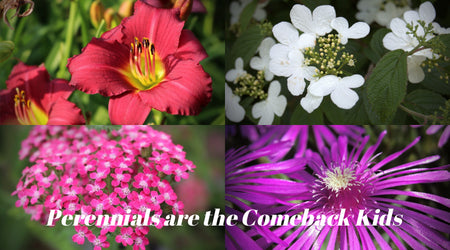
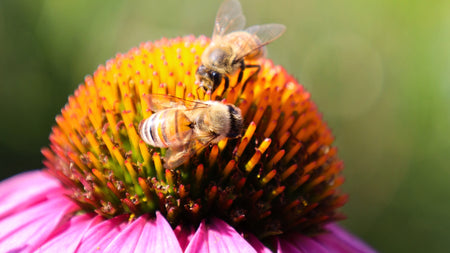
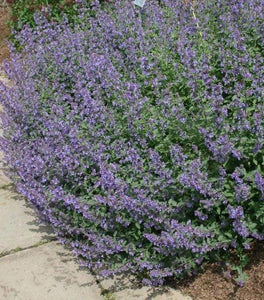
Images Depict Mature Plants
Tuscan Sun Heliopsis
Heliopsis helianthoides 'Tuscan Sun'
Tuscan Sun Heliopsis is a solid choice when you want big summer color but do not want a giant perennial leaning over the rest of the bed. Give it full sun, average soil, and a little room, and it will give you cheerful yellow flowers for weeks. I would use it with blue salvia, catmint, coneflowers, and ornamental grasses—plants that can match its sunny personality without making the garden feel too busy.

20% Off Sitewide Sale!
Use Code 'ENDOFSEASON20' At Checkout
📦 Free shipping on orders over $99.
Delay shipping by leaving us a message at Checkout.
Share:Recommended Add-Ons



Tuscan Sun Heliopsis Delivers Compact Golden Color for Sunny Gardens
Bright Golden Blooms Without the Oversized Habit
Tuscan Sun Heliopsis is a compact false sunflower that brings cheerful golden-yellow color to sunny gardens from summer into fall. Its daisy-like flowers have warm orange-gold centers that give the plant a classic sunflower look, but on a more controlled perennial form that fits easily into home landscapes.
Homeowners love Tuscan Sun because it delivers the bright, sunny personality of a taller native meadow plant without taking over the border. The flowers stand above deep green foliage on sturdy stems, creating a clean, upright display that works in mixed perennial beds, pollinator gardens, cottage plantings, and sunny foundation borders.
A Shorter False Sunflower for Borders and Containers
Many older Heliopsis varieties can grow tall and may need support in rich soil or light shade. Tuscan Sun was selected for a more compact habit, making it easier to use in smaller garden beds, front-to-middle border spaces, and patio containers. It gives you the color impact of a summer sunflower-style perennial with a more manageable garden presence.
At maturity, Tuscan Sun typically grows about 24 to 36 inches tall and spreads about 20 to 24 inches wide, though some references list it as shorter in certain growing conditions. In the landscape, that size makes it versatile enough to repeat in groups, tuck between ornamental grasses, pair with purple and blue perennials, or use as a bright focal point in a sunny container planting.
Long Summer Color for Pollinators and Cut Flowers
Tuscan Sun Heliopsis is a strong choice when you want summer color that keeps working. The golden flowers attract bees, butterflies, and other pollinators, while the sturdy stems make the blooms useful for fresh-cut arrangements. Plant a few extra if you like bringing garden flowers indoors.
The bright yellow bloom color pairs beautifully with purple salvia, blue catmint, lavender agastache, orange butterfly weed, burgundy foliage, and soft ornamental grasses. It also works well in native-inspired gardens where you want a more refined cultivar of a North American species with plenty of flower power for the warmest part of the season.
Easy Care in Full Sun and Average Soil
Tuscan Sun Heliopsis performs best in full sun, where it develops the strongest stems and heaviest bloom. It can handle part sun, but plants may be less vigorous and may need more support in too much shade. For the best results, plant it where it receives at least 6 hours of direct sun per day.
This perennial is not fussy about rich soil. Average, well-drained garden soil is ideal, and the plant can tolerate somewhat dry conditions once established. Avoid overfeeding or planting in overly rich, moist soil, which can encourage softer growth. A spring layer of compost or a light application of fertilizer is usually enough to support strong flowering without making the plant too lush.
A Low-Maintenance Native Cultivar With Good Garden Manners
Tuscan Sun is easy to maintain when planted in the right spot. Deadheading spent blooms can keep the plant looking tidy, extend the flowering window, and reduce self-seeding. The plant does not require constant attention, and staking is usually not needed when grown in full sun and average soil.
Leave the stems standing through fall if you enjoy winter texture or want to leave seed for birds, then cut the plant back in late winter or early spring before new growth pushes. If you want a slightly shorter or fuller plant, stems can be lightly trimmed in late spring, but Tuscan Sun’s naturally compact habit usually makes that extra step unnecessary.
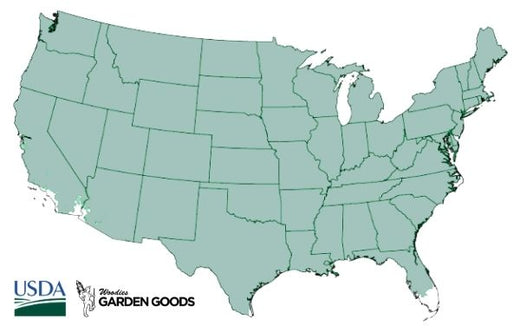
| Hardiness Zone: | 3-9 |
|---|---|
| Height: | 24 to 36 inches |
| Width: | 20 to 24 inches |
| Sunlight: | Full sun to part sun; full sun gives the best bloom and strongest stems |
| Bloom Time / Color | Summer into fall; golden-yellow daisy-like flowers with orange-gold centers |
| Soil Condition: | Average, dry to medium, well-drained soil |
| Water Requirements: | Average water; tolerates somewhat dry soil once established |
| Ornamental Features | Compact habit, bright yellow blooms, sturdy stems, long bloom season, cut flower value |
| Wildlife Value | Attracts bees, butterflies, and other pollinators; seed may attract birds |
| Resistance (deer/disease/drought/etc.) | Good disease resistance compared to many Heliopsis varieties; some powdery mildew resistance reported |
| Landscape Uses | Sunny borders, pollinator gardens, cottage gardens, native-inspired gardens, containers, cutting gardens, mass plantings |
How to Care for Tuscan Sun Heliopsis
Before you buy Tuscan Sun Heliopsis, make sure to read about the recommended care instructions to keep this plant healthy and thriving.

How should I plant Tuscan Sun Heliopsis?
Plant Tuscan Sun Heliopsis in full sun to part sun with average, well-drained soil. Full sun is best for the heaviest bloom and strongest stems, especially if you want the plant to stay upright without support. Avoid overly rich, wet soil, which can encourage softer growth. Dig a hole about twice as wide as the root ball and set the plant so the crown sits level with the surrounding soil. Backfill gently, water deeply, and mulch lightly to conserve moisture without burying the crown. Space plants about 20 to 24 inches apart so each clump has room to fill out.

How often should I water Tuscan Sun Heliopsis after planting?
Water Tuscan Sun Heliopsis deeply after planting and keep the soil evenly moist during the first growing season. Check the soil every few days during hot weather and water when the top few inches begin to dry. Deep watering is better than frequent shallow watering. Once established, Tuscan Sun can tolerate somewhat dry conditions, but it will bloom best with occasional water during extended dry spells. In containers, water more often because pots dry out faster than garden beds. Always make sure the container has drainage holes.

When should I fertilize Tuscan Sun Heliopsis?
Fertilize Tuscan Sun Heliopsis lightly in spring as new growth begins. A thin layer of compost or a modest application of balanced slow-release fertilizer is usually enough in average garden soil. This plant does not need heavy feeding to flower well. Avoid high-nitrogen fertilizer or repeated heavy feeding, especially in rich soil. Too much fertility can make stems softer and may increase the chance of flopping. Tuscan Sun performs best with sun, average soil, and moderate moisture rather than overly lush growing conditions.

When and how should I prune / cut back Tuscan Sun Heliopsis?
Deadhead spent flowers during summer if you want a tidier plant, a longer bloom season, and less self-seeding. Use clean pruners to remove faded flower stems back to a healthy set of leaves. This keeps the plant looking fresh and encourages continued flowering. Cut the plant back in late winter or early spring before new growth begins. If you want to control height or encourage a fuller habit, you can lightly cut stems back in late May, though Tuscan Sun’s compact size usually makes this optional. Avoid heavy late-season pruning that stimulates tender new growth before frost.