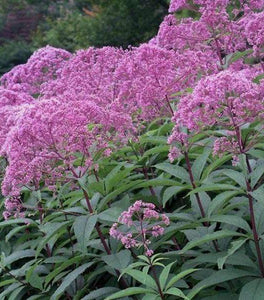
Images Depict Mature Plants
New York Ironweed
Vernonia noveboracensis
New York Ironweed is one of those native perennials that looks best when you let it be what it wants to be: tall, bold, and full of pollinator activity. Put it in a sunny, moist spot where it has room, and it becomes a late-season anchor with purple flowers that really stand out. I would not tuck it into a tiny front bed; in a rain garden, meadow, or back border, it adds height, color, and real ecological value.

15% OFF SITEWIDE SALE
Use Code 'PRIMETIME15' At Checkout
📦 Free shipping on orders over $99.
Delay shipping by leaving us a message at Checkout.
Share:Recommended Add-Ons


New York Ironweed Brings Tall Native Color to Rain Gardens and Pollinator Plantings
Deep Purple Native Flowers for Late-Season Garden Color
New York Ironweed is a tall native perennial known for its vivid purple flower clusters that bloom from late summer into early fall. When many summer perennials begin to fade, Vernonia noveboracensis brings fresh color, strong vertical structure, and major pollinator activity to sunny garden spaces. Its intense purple blooms are especially valuable in native plant gardens, meadow plantings, rain gardens, and back-of-border designs.
The flowers form in loose clusters at the tops of sturdy stems, creating a bold wildflower look without feeling messy when the plant is given enough space. New York Ironweed is ideal for homeowners who want a native perennial that looks natural, supports wildlife, and provides color when the garden often needs a second wind.
A Tall, Upright Perennial for the Back of the Border
New York Ironweed is a strong, upright plant, typically growing 4 to 8 feet tall, depending on soil moisture, sunlight, and growing conditions. In richer, wetter sites, it can reach impressive heights, making it best suited for the back of a perennial border, meadow edge, rain garden, pond margin, or large native planting. Its upright stems give the garden structure without the need for a formal shrub.
Because of its height, New York Ironweed should be placed where it has room to grow. Use it behind shorter perennials like Black Eyed Susan, coneflower, bee balm, salvia, sedum, switchgrass, or swamp milkweed. If a shorter plant is preferred, stems can be cut back in late spring or early summer to reduce height and encourage a fuller habit.
Built for Moist Soil, Rain Gardens, and Sunny Native Meadows
New York Ironweed performs best in full sun and average to wet soil. It is especially useful in places where many typical perennials struggle, including damp meadows, rain gardens, stream edges, pond borders, low spots, and heavy clay soils that stay moist. It prefers rich, moist soil but adapts well to a range of average garden conditions as long as the site does not stay extremely dry.
This is not the best plant for a small, dry foundation bed. It belongs in a sunny spot where its height and naturalizing habit can be an asset. If you have a wet sunny area that needs color, structure, and native plant value, New York Ironweed is one of the most useful late-season perennials you can add.
A Pollinator Powerhouse With Strong Wildlife Value
New York Ironweed is an excellent plant for pollinator gardens. Its nectar- and pollen-rich purple blooms attract bees, butterflies, and other beneficial insects during the late summer and early fall, when consistent food sources are especially important. The flowers are also visited by specialist native bees that rely heavily on ironweed pollen.
Beyond the flowers, New York Ironweed continues to contribute to a more wildlife-friendly garden throughout the rest of the season. If old stems are left standing through winter and cut back higher in spring, they can provide nesting habitat for stem-nesting native bees. The seed heads also add winter texture and can contribute to the natural look of meadow and wildlife plantings.
Low-Maintenance Native Performance With Room to Naturalize
New York Ironweed is low-maintenance when planted in the right place. It does not need rich fertilizer, staking in most garden settings, or constant attention. Once established, it forms a sturdy clump and may naturalize by seed in favorable moist conditions. For meadow gardens and larger naturalized plantings, that can be a benefit. In tighter beds, remove spent flowers before seed develops to limit spreading.
Cut the plant back in late winter or spring rather than cleaning it too aggressively in fall. For a shorter, bushier plant, cut stems back in late spring or early summer. This simple pruning technique helps control height while preserving the bold purple flower display that makes New York Ironweed such a valuable native perennial.
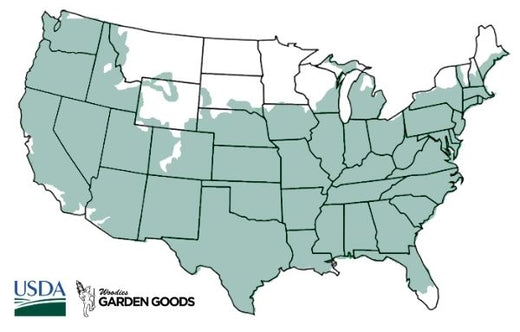
| Hardiness Zone: | 5-9 |
|---|---|
| Mature Height: | 4 to 8 Feet |
| Mature Width: | 3 to 4 Feet |
| Sunlight: | Full sun is best; tolerates light partial shade in some conditions |
| Soil | Average to rich, moist soil; adapts to clay and wet soils |
| Water | Medium to wet; best with consistent moisture |
| Bloom Time / Color | Late summer into early fall; deep purple flower clusters |
| Ornamental Features | Vivid purple blooms, tall upright habit, strong stems, late-season color, rusty seedheads |
| Wildlife Value | Attracts bees, butterflies, specialist pollinators, and other beneficial insects; old stems can support stem-nesting native bees |
| Resistance | Generally considered deer resistant; tolerates clay soil and wet soil |
| Landscape Uses | Rain gardens, native plant gardens, pollinator gardens, meadows, wet borders, streambanks, pond edges, back of perennial borders |
How to Care for New York Ironweed
Before you buy a New York Ironweed, make sure to read about the recommended care instructions to keep this plant healthy and thriving.
-v1783368597009.png?92x91)
How should I plant New York Ironweed?
Plant New York Ironweed in full sun with average to moist soil. Choose a location where the plant has enough room to reach its mature height, such as the back of a border, a rain garden, a meadow planting, or the edge of a pond or stream. Avoid small, dry beds where the plant may look oversized or struggle from a lack of moisture. Dig a hole about twice as wide as the root ball and set the plant so the crown is level with the surrounding soil. Backfill with native soil, water deeply, and mulch lightly to help retain moisture. Space plants about 3 to 4 feet apart for mature growth and airflow.

How often should I water New York Ironweed after planting?
Water the New York Ironweed deeply after planting and keep the soil evenly moist during the first growing season. This is especially important in the first few weeks, while the roots are establishing. Check the soil regularly and water when the top few inches begin to dry. Once established, New York Ironweed performs best with consistent moisture but can handle average garden conditions better than many wetland perennials. During extended dry spells, water deeply to keep the plant blooming well and to prevent stress, especially in full sun.

When should I fertilize New York Ironweed?
Fertilize New York Ironweed lightly in spring only if your soil is poor. In most garden settings, a thin layer of compost is enough. This native perennial generally performs well without heavy feeding, especially in naturally rich or moist soil. Avoid high-nitrogen fertilizer, which can encourage overly tall, soft growth. If the plant is already growing vigorously, skip fertilizer and focus on mulch, moisture, and spacing. New York Ironweed is best grown a little naturally rather than pushed too hard.

When and how should I prune / cut back New York Ironweed?
If you want a shorter, fuller plant, cut New York Ironweed back in late spring or early summer before flower buds form. Stems can be reduced by about one-third to one-half, or cut to around 2 feet tall, depending on the look you want. This helps control height and encourages branching. After flowering, you can remove spent flower heads to limit self-seeding. For wildlife value, leave some stems standing through winter and cut them back in spring. When cutting back in spring, consider leaving 12 to 24 inches of old stem for native stem-nesting bees.