
Fruit & Nut Shrubs
Edible shrubs that flower, fruit, and elevate landscapes.
Fruit and nut shrubs are the “workhorse” plants of edible landscaping—beautiful enough for front-yard curb appeal, practical enough to reward you with real harvests. Most small fruits bloom in spring, feed pollinators, and then settle into a rhythm of leafy growth and ripening fruit through summer into early fall, depending on the plant. Blueberries love full sun and truly shine when you give them the acidic soil they crave; aronia (chokeberry) adds spring flowers, glossy foliage, and late-summer berries; and grapes bring that classic backyard-vine charm when trained on a trellis or arbor. If you’re shopping for fruit shrubs for sale online, the goal isn’t just “edible, it’s plants that fit your space, your light, and your maintenance comfort level.
Here’s the part I love: once these plants are placed well (sun + drainage + room to breathe), they tend to get easier each year. Spacing and airflow reduce disease pressure, thoughtful watering prevents stress during flowering and fruit fill, and annual pruning keeps plants productive instead of wild and tired. We back your planting success with the We Grow Together Promise, because the best harvest is the one you feel confident growing from year one.

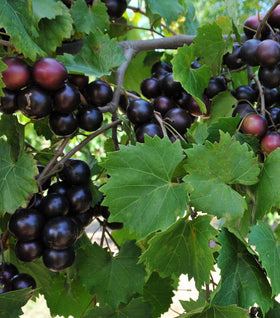
Autumn Magic Black Chokeberry
As Low As $39.95

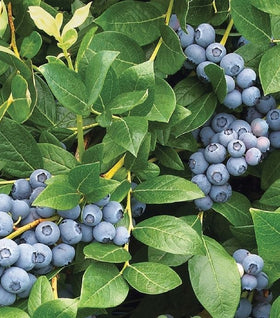


Pink Lemonade Blueberry Bushes
As Low As $39.95
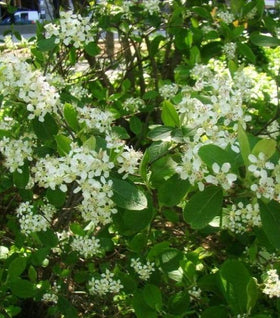
Turn your landscape into an edible showpiece.
Edible shrubs do double-duty: they read like classic ornamentals (spring bloom, summer foliage, fall color), yet they also produce fruit you can enjoy fresh, baked, frozen, or preserved. Many “small fruit” plants are shrubs by nature, which makes them easy to tuck into mixed borders, foundation plantings, and sunny side yards, places where a full-size fruit tree simply doesn’t fit.
This collection is ideal for homeowners who want a practical harvest without turning the yard into a full farm, and it’s just as useful for landscapers looking to add value with edible, pollinator-supporting plants. Spring flowers support early-season activity, while summer and early-fall fruit provide a satisfying payoff, often with far less complexity than many tree fruits.
You can keep it simple with a few shrubs along a sunny fence line, or build a true “edible border” by repeating shrubs in drifts the way you would any landscape planting. The visual effect is tidy and intentional, and the harvest feels like a bonus rather than a chore.
Get spring blooms, summer fruit, and real four-season texture.
Expect a spring bloom window for many fruiting shrubs and vines, followed by a growing season where plants size up, set fruit, and ripen over weeks—not all at once. Blueberry harvest can run from early summer into mid-September, depending on variety, while aronia often ripens late summer into early fall—timing that pairs beautifully with ornamental fall color.
Mature size and growth habit vary, which is a good thing: some options settle into compact shrub forms, while others develop into larger, multi-stemmed plants; grapes are vigorous woody vines that can be trained up and out on structures. As a general planning range, many berry shrubs grow around 3–8 feet at maturity, and vines need both horizontal room and vertical support, so you can match the plant to your space instead of forcing your space to match the plant.
Color and texture are part of the payoff, too. Chokeberries are prized for spring flowers and strong fall foliage color with persistent fruit interest, and blueberries can bring seasonal beauty alongside their crop when they’re grown in the right soil conditions. When you plant for airflow and light, you also improve plant vigor—often translating to better fruit quality and fewer headaches.
Place them right, and they will reward you.
Start with the sun. Blueberries fruit best with a full-sun baseline (think “most of the day”), and grapes want full sun plus good drainage. Morning sun is especially helpful because it dries foliage faster and reduces disease pressure. If you’re planning a mixed edible planting, prioritize the sunniest, best-drained areas you’ve got.
Spacing is your simplest “pro move” for healthier plants and better harvests. A practical planning range is 4–5 feet between blueberry plants (with wider row spacing if you’re planting in rows), about 4–6 feet between aronia shrubs, and roughly 6 feet or more per grape vine, depending on training and vigor. This breathing room improves light penetration, prevents plants from tangling into a thicket, and makes pruning and picking easier.
Use these plants functionally: line a sunny fence for a productive edible screen, anchor a pollinator-friendly border with spring bloomers, or train grapes over an arbor for shade and fruit in one move. If you’re planting chokeberries on slopes or edges, remember some types can spread by suckering and are great for filling space, but worth planning for if you want crisp lines near walkways.
Simple care that keeps harvests coming.
Soil is the “make or break” factor, especially for blueberries. They’re acid-lovers that need an acidic pH (commonly 4.5–5.5), and adjusting pH is best done ahead of planting rather than after the plant is already struggling. Once established, consistent moisture through flowering and fruit fill helps prevent stress that can reduce growth and yield.
Pruning timing is straightforward when you follow the plant’s fruiting wood. Blueberries benefit from renewal-style pruning (often late winter into early spring, such as February–March in many regions) to keep new canes coming and older, less-productive wood moving out. Grapes are pruned annually during dormancy (often around March in many climates) because fruiting depends on managed, well-spaced wood Skip pruning, and you trade quality fruit for a tangled vine.