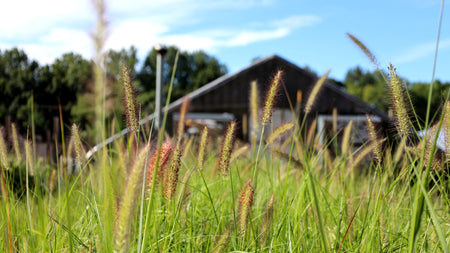
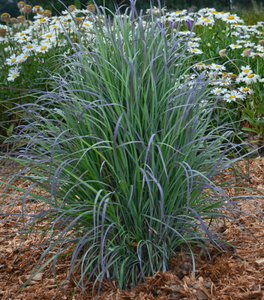
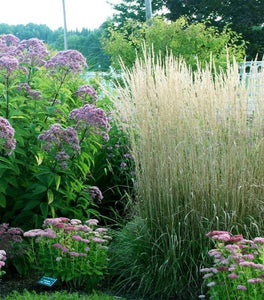
Images Depict Mature Plants
Blackhawks Big Bluestem
Andropogon gerardii ‘Blackhawks’ PP27949
Blackhawks Big Bluestem is one of those native ornamental grasses that makes a planting look more intentional the moment it settles in. I reach for it when a sunny space needs height, motion, drought tolerance, and a strong fall finish without asking for constant maintenance. The upright habit remains useful in mixed borders, prairie-style designs, and on slopes, and its dark late-season foliage color gives gardeners something dramatic just when the rest of the landscape starts winding down.

20% OFF SITEWIDE SALE
Use Code 'OCTOBER20' At Checkout
📦 Free shipping on orders over $99.
Delay shipping by leaving us a message at Checkout.
Share:Recommended Add-Ons



Bold Native Color for Sunny Landscapes
Striking color that builds from summer into fall
Blackhawks Big Bluestem is the kind of native ornamental grass that changes the entire mood of a planting. Its upright blades emerge green with purple undertones, deepen through summer, and then turn an arresting purple-black as fall settles in. That dramatic foliage shift gives borders, foundation beds, and native-inspired landscapes a richer, moodier look just when many summer perennials begin to fade.
Because the color show arrives late in the season, this grass works especially well when layered with coneflowers, rudbeckia, asters, sedum, and other sun-loving companions. It gives gardeners a strong vertical element without feeling stiff or artificial. Instead, it reads as natural, architectural, and seasonally dynamic, bringing movement and contrast that helps nearby flowers, shrubs, and evergreens stand out more clearly.
Tall upright texture for borders, screens, and rhythm
This is a tall, clump-forming ornamental grass with a strong upright habit, which makes it especially useful in designs that need height without bulk. Mature plants typically reach about 4 to 5 feet tall in the clump, with flower plumes lifting the display even higher. The narrow footprint keeps the plant visually tidy, so it can be used in repeated groupings, at the back of perennial borders, or as a soft seasonal screen in sunny areas.
Blackhawks Big Bluestem also creates rhythm in the landscape. Repeating it through a bed can tie different planting zones together while adding a four-season structure. In summer, it contributes vertical green texture, in fall, it turns dark and dramatic, and in winter, its straw-toned stems and seed heads continue to hold presence. That season-spanning performance makes it a smart choice for gardeners who want more than a brief bloom window from their plantings.
A durable native grass for dry soils and low-fuss care
Once established, Blackhawks Big Bluestem is a dependable, low-maintenance performer for full-sun landscapes. It handles heat, periodic drought, lean soil, and exposed sites far better than many flowering perennials. Deep prairie roots help it anchor well and keep it going through dry spells, making it useful in places where irrigation is limited or where gardeners want a resilient, climate-flexible planting palette.
It is happiest in well-drained soil and full sun, where the plant stays upright and develops its best late-season color. Rich, overly fertile conditions can push softer growth, so this is one of those rare landscape plants that does not need pampering to look good. Give it strong light, reasonable drainage, and establishment water during the first season, and it settles into a durable, long-term role with very little ongoing fuss.
Native habitat value with real landscape versatility
Blackhawks Big Bluestem brings more than color and texture. As a selection of a North American native prairie grass, it adds shelter, seed interest, and ecological value to a landscape. Birds benefit from the seed heads and cover, and native grass plantings help create a layered habitat in sunny gardens. Even in more polished residential designs, this grass still supports the broader goal of creating landscapes that feel alive and seasonally connected.
Its versatility is another major reason to plant it. Use it in naturalized drifts, modern meadow-style mass plantings, mixed perennial borders, roadside-style strips, or sunny slopes where erosion control matters. It can act as a vertical accent, a repeating framework plant, or a soft screen that moves in the breeze. For gardeners who want a plant that is practical, visually strong, and native at the same time, Blackhawks is an easy yes.
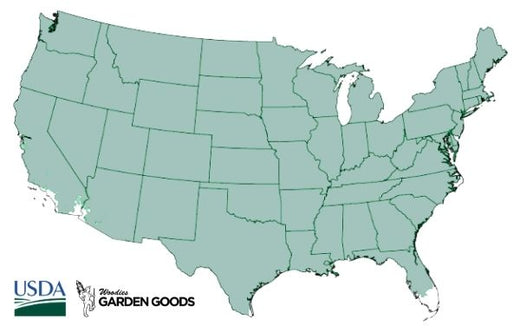
| Hardiness Zone: | 3-9 |
|---|---|
| Mature Height: | 4 to 5 Feet |
| Mature Width: | 2 to 2.5 Feet |
| Sunlight: | Full Sun |
| Soil Condition: | Well-drained soil; adapts to average, sandy, clay, lean, and poor soils |
| Water Requirements: | Regular water during establishment; drought tolerant once established |
| Bloom Time / Color | Late summer to fall / purplish-red plumes and dark seasonal seed heads |
| Wildlife Value | Provides cover, seed interest for birds, and habitat value in native plantings |
| Resistance (deer/disease/drought/etc.) | Deer resistant, drought tolerant, heat tolerant, low maintenance, generally trouble free |
| Landscape Uses | Borders, screening, mass planting, meadows, native gardens, winter interest, slopes, erosion control |
How to Care for Blackhawks Big Bluestem
Before you buy Blackhawks Big Bluestem, make sure to read about the recommended care instructions to keep this plant healthy and thriving.

How should I plant Blackhawks Big Bluestem?
Plant Blackhawks Big Bluestem in a full-sun location with well-drained soil. Dig a hole about two to three times wider than the root ball and no deeper than the root ball itself, then set the crown level with the surrounding soil before backfilling with the native soil you removed. Water thoroughly after planting to settle the soil, then add a light layer of mulch around the base, keeping it away from direct contact with the crown. Space plants about 24 to 30 inches apart so each clump has room to develop strong form, good airflow, and the bold upright look that makes this grass so effective in the landscape.

How often should I water Blackhawks Big Bluestem after planting?
Water regularly during the first growing season so the roots can establish deeply. A deep soaking once or twice a week is usually enough, depending on rainfall, temperature, and soil type, and the soil should be allowed to dry slightly between waterings rather than staying soggy. After establishment, Blackhawks Big Bluestem needs much less supplemental water and usually performs well with only occasional deep watering during extended dry spells. In well-drained ground, it is better to water deeply and less often than to give frequent shallow irrigation, which can encourage weaker surface rooting.

When should I fertilize Blackhawks Big Bluestem?
Blackhawks Big Bluestem usually needs very little fertilizer, especially in average garden soil. If growth seems weak, apply a light dose of balanced slow-release fertilizer or compost in early spring just as new growth begins, but avoid heavy feeding. Too much fertility can lead to overly lush growth and reduce the strong upright habit this grass is known for. In most landscapes, the best approach is simple: improve drainage if needed, skip rich amendments, and let the plant do what prairie grasses naturally do well in ordinary soil.

When and how should I prune Blackhawks Big Bluestem?
Cut back Blackhawks Big Bluestem in late winter or very early spring, before fresh growth starts. Use clean shears or hedge trimmers to reduce the old foliage to a few inches above the ground, which clears away the previous season’s stems and makes room for a clean new flush. Leaving the foliage standing through fall and winter adds seasonal interest and texture to the garden when many perennials are dormant. Waiting until late winter also helps preserve the seed heads and structure that make ornamental grasses so valuable in cold-season landscapes.