

Images Depict Mature Plants
Becky Shasta Daisy
Leucanthemum x superbum 'Becky'
Becky Shasta Daisy is one of those perennials that always feels right in a sunny garden. The white flowers are bright, clean, and easy to work with, the stems are sturdy enough for cutting, and the plant provides long summer blooms without a lot of fuss. Give it full sun and good drainage, and it becomes a dependable anchor for cottage gardens, pollinator beds, and classic perennial borders.

15% OFF SITEWIDE SUMMER SALE
Use Code HELLOSUMMER15 at Checkout!
📦 Free shipping on orders over $99.
Delay shipping by leaving us a message at Checkout.
Share:


A Classic White Daisy Perennial with Strong Stems and Summer Charm
Large White Daisies on a Reliable Garden Performer
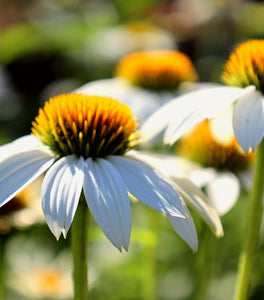
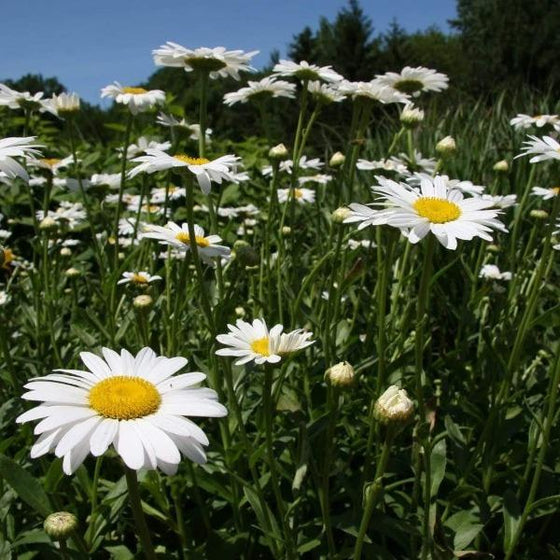
Becky Shasta Daisy is a beloved perennial grown for its crisp white petals, bright yellow centers, and cheerful summer flower display. This classic daisy brings clean color and timeless cottage-garden appeal to sunny borders, mixed perennial beds, pollinator gardens, and cut flower plantings.
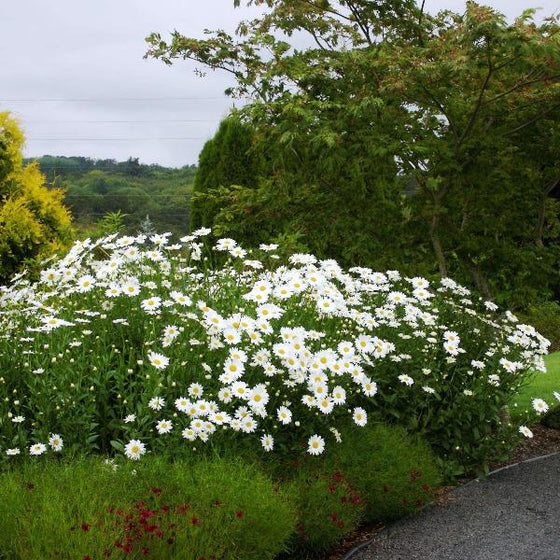
Unlike smaller daisy selections, Becky Shasta Daisy has a taller, more substantial habit, giving it a strong presence in the landscape. Its sturdy stems hold the flowers well, keeping the plant upright and fresh throughout the bloom season. For gardeners who want a dependable white flowering perennial with a familiar garden look, Becky is one of the most trusted choices.
Long Summer Bloom with Fresh Cut Flower Value
Becky Shasta Daisy typically blooms from midsummer into late summer, producing large white flowers with golden-yellow centers. The flowers have the classic daisy look homeowners know and love, making them easy to pair with almost any garden color palette.
The blooms are also excellent for cutting. Their strong stems and bright flower heads work beautifully in fresh arrangements, especially when paired with coneflowers, yarrow, salvia, catmint, Black Eyed Susans, phlox, and ornamental grasses. Deadheading spent flowers helps keep the planting tidy and may encourage a longer bloom display.
Perfect for Sunny Borders, Cottage Gardens, and Pollinator Beds
Becky Shasta Daisy is a natural fit for sunny perennial borders, cottage gardens, pollinator gardens, cutting gardens, and foundation beds that need a clean white summer accent. Its upright habit makes it useful in the middle of a border, where the bright flowers can rise above lower perennials without overwhelming the design.
Plant Becky in groups for a stronger flower show, or repeat it through a bed to create rhythm and continuity. White flowers are especially useful in garden design because they brighten planting combinations, soften bold colors, and help connect different perennial groups across a landscape.
Pollinator Friendly with Cautious Deer and Drought Notes
Becky Shasta Daisy attracts bees, butterflies, and other beneficial insects when in bloom, making it a cheerful addition to pollinator-friendly gardens. The open flower form provides pollinators easy access while still offering strong ornamental value to homeowners.
This perennial is often described as deer-resistant, but deer resistance can be mixed depending on local pressure. It is best described as lower-risk rather than deer proof. Once established, Shasta Daisy can tolerate some dry periods, but it performs best with average moisture and good drainage. Avoid wet winter soil, which can be more damaging than summer dryness.
Easy Care with Full Sun and Well-Drained Soil
Plant Becky Shasta Daisy in full sun for the strongest stems and best flowering. It can tolerate light shade, but too much shade may reduce bloom and cause weaker growth. Well-drained soil is essential, especially during winter, because overly wet soil can lead to crown and root problems.
Water regularly after planting until roots establish, then water during extended dry spells as needed. Avoid heavy fertilizing, which can encourage soft growth. Deadhead spent flowers to extend bloom and cut plants back after flowering or in fall once the foliage declines. Divide clumps every few years to keep plants vigorous.
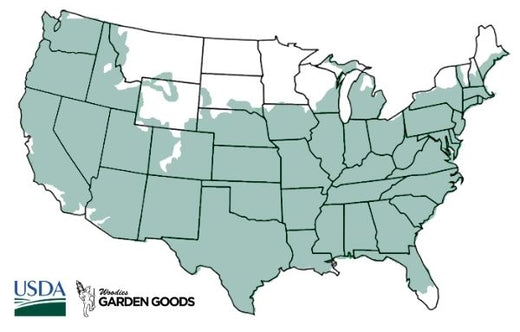
| Hardiness Zone: | 5-9 |
|---|---|
| Mature Height: | 3 to 4 Feet |
| Mature Width: | 2 to 3 Feet |
| Sunlight: | Full sun; tolerates light shade, with best flowering in full sun |
| Soil | Average, dry to medium, well-drained soil; good winter drainage is important |
| Water | Water regularly after planting; tolerates short dry periods once established |
| Bloom Time / Color | Midsummer to late summer; white petals with yellow centers |
| Ornamental Features | Large white daisy flowers, yellow centers, sturdy stems, long bloom season, cut flower value |
| Wildlife Value | Attracts bees, butterflies, and beneficial pollinators |
| Resistance | Deer resistance is mixed; lower-risk but not deer proof; tolerates short dry periods once established |
| Landscape Uses | Perennial borders, cottage gardens, pollinator gardens, cutting gardens, sunny foundation beds, mass plantings |
How to Care for Becky Shasta Daisy
Be sure to read our planting instructions to ensure a healthy and happy Becky Shasta Daisy Plants for years to come!
-v1781185059355.png?92x91)
How should I plant Becky Shasta Daisy?
Plant Becky Shasta Daisy in full sun with well-drained soil. Choose a location that receives at least 6 hours of direct sunlight each day for the strongest stems and best bloom. Avoid low areas where water collects, especially in winter. Dig a hole about as wide as the root ball and just as deep. Set the crown level with the surrounding soil, backfill gently, and water thoroughly. Space plants about 18–24 inches apart for a fuller planting, or allow more room if you want each clump to stand individually.
-v1781185080921.png?89x84)
How often should I water Becky Shasta Daisy after planting?
Water Becky Shasta Daisy deeply after planting, then keep the soil evenly moist while the roots establish. During the first growing season, water when the top few inches of soil feel dry, especially during hot or windy weather. Once established, Becky Shasta Daisy can tolerate short dry periods, but it looks best with average moisture and good drainage. Avoid soggy soil, particularly in winter, because wet conditions can damage the crown and roots.
-v1781185124677.png?90x89)
When should I fertilize Becky Shasta Daisy?
Fertilize Becky Shasta Daisy lightly in spring if needed. A thin layer of compost or a balanced slow-release fertilizer is usually enough to support healthy growth and flowering in average garden soil. Avoid heavy feeding, especially with high-nitrogen fertilizer. Too much fertility can encourage soft growth and reduce the strong upright habit that makes Becky useful in borders and cut flower gardens.

When and how should I prune Becky Shasta Daisy?
Deadhead Becky Shasta Daisy by removing spent flowers as they fade. This keeps the plant tidy and can help extend the bloom display. Cut flower stems back to a leaf node or lower branching point rather than leaving bare stems. After the main bloom season, trim back tired flower stems and declining foliage as needed. In late fall or early spring, cut old growth back close to the ground before new shoots emerge. Divide clumps every few years to maintain vigor and flowering.