Images Depict Mature Plants
The Rocket Ligularia
Ligularia stenocephala 'The Rocket'
The Rocket Ligularia is not a plant for dry shade, but in the right spot it is outstanding. Give it a cool, moist place with afternoon shade, and it brings big leaves and bright yellow flower spikes that make a shade garden feel alive. I would use it where you can see it from a patio, path, or pond edge, because this is a plant with presence. Just keep the water coming during hot spells and watch for slugs early.

15% OFF SITEWIDE, USE CODE 'FALLPLANT15'
📦 Free shipping on orders over $99.
Delay shipping by leaving us a message at Checkout.
Share:Recommended Add-Ons



The Rocket Ligularia Adds Bold Yellow Spires to Moist Shade Gardens
A Dramatic Shade Perennial With Towering Yellow Flower Spikes
The Rocket Ligularia is a bold, clump-forming perennial grown for its large textured foliage and tall lemon-yellow flower spikes. It brings height, structure, and bright seasonal color to shaded gardens, especially in moist areas where many traditional perennials struggle. If your garden has a damp border, pond edge, rain garden, or woodland bed that needs a strong vertical accent, this plant earns attention quickly.
The flowers rise above the foliage in summer on dark, contrasting stems, creating a striking look that feels architectural without being stiff. Each flower spike is packed with small yellow blooms that open along tall racemes, giving the plant its “rocket” effect. In the right site, The Rocket Ligularia becomes a dramatic focal point for homeowners who want shade plantings that feel lush, layered, and intentional.
Big, Toothed Foliage That Looks Good Before and After Bloom
The Rocket Ligularia is not just a flowering plant. Its large, coarsely toothed, heart-shaped to triangular green leaves create a handsome mound before the flower spikes appear. The foliage has a bold texture that contrasts beautifully with finer plants like ferns, astilbe, carex, Japanese forest grass, and woodland grasses.
This broad-leaved structure makes Ligularia especially useful in shade gardens that need more than small filler plants. Use it behind hostas, near brunnera, beside moisture-loving sedges, or as a backdrop for lower shade perennials. Even when the plant is not blooming, the foliage gives the garden weight, depth, and a cool woodland feel.
Perfect for Moist Shade, Rain Gardens, and Pond Edges
The Rocket Ligularia performs best in part shade to full shade with rich, humusy soil that stays consistently moist. It is a strong choice for rain gardens, streamside plantings, pond edges, shaded low spots, bog-style gardens, and damp woodland borders. In cooler climates or consistently wet sites, it can tolerate more light, but in hot summer regions, afternoon shade is strongly preferred.
The most important buyer expectation is moisture. This is not a dry-shade perennial and should not be planted where tree roots or sandy soil leave the bed dry for long periods. If the soil dries out, the large leaves may wilt quickly, especially during summer heat. Plant it where you can provide steady moisture, mulch the root zone, and protect it from strong drying winds.
A Tall Focal Point for Layered Shade Plantings
At maturity, the Rocket Ligularia can reach about 3 to 5 feet tall in bloom and spread roughly 2 to 4 feet wide. That makes it best for the middle to back of a shade border, the edge of a water feature, or any damp garden area where a larger perennial can anchor the design. It is especially effective when planted in small groups or repeated along a moist pathway.
Pair it with plants that enjoy similar moisture, such as astilbe, ferns, cardinal flower, turtlehead, blue flag iris, acorus, carex, brunnera, heuchera, and hostas. Its upright yellow flowers bring brightness to shade, while the large leaves help connect finer-textured plants into a fuller, more finished planting.
Low Maintenance When the Site Stays Moist
The Rocket Ligularia is easy to grow when planted in the right conditions, but it is site-specific. Give it rich soil, shade, and reliable moisture, and it will reward you with bold foliage and summer flower spikes. In hot climates or during dry spells, deep watering is important because the large leaves lose moisture quickly.
After flowering, spent flower stems can be cut back to keep the plant tidy. Slugs and snails may chew foliage, especially in damp, shady areas, so monitor plants early in the season and use preventive measures if needed. The plant dies back in winter and returns in spring, making it a dependable perennial for homeowners who can provide the moisture this bold shade plant needs.
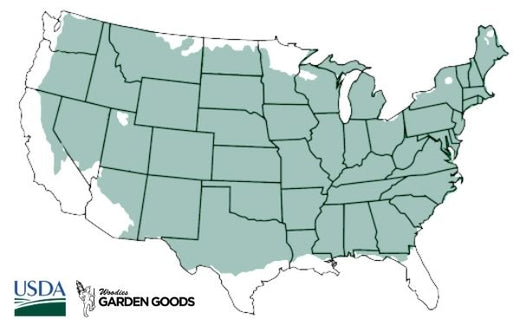
| Hardiness Zone: | 4-8 |
|---|---|
| Height: | 3 to 5 feet tall in bloom |
| Width: | 2 to 4 feet |
| Sunlight: | Part shade to full shade; afternoon shade is best in hot climates |
| Bloom Time / Color | Early to midsummer; lemon-yellow flower spikes on dark stems |
| Soil Condition: | Rich, humusy, consistently moist soil |
| Water Requirements: | Medium to wet; soil should not be allowed to dry out |
| Ornamental Features | Tall yellow flower spikes, bold foliage, dramatic shade-garden texture, dark flower stems |
| Wildlife Value | Flowers attract butterflies and other pollinators |
| Resistance (deer/disease/drought/etc.) | Tolerates heavy shade and wet soil; deer resistance may vary by site |
| Landscape Uses | Moist shade borders, rain gardens, pond edges, streamside plantings, woodland gardens, bog gardens, specimen plantings |
How to Care for The Rocket Ligularia
Before you buy The Rocket Ligularia, read the recommended care instructions to keep this plant healthy and thriving.

How should I plant The Rocket Ligularia?
Plant The Rocket Ligularia in part shade to full shade with rich, humusy soil that stays consistently moist. Choose a location protected from hot afternoon sun and strong drying winds. Good sites include moist shade borders, rain gardens, pond edges, streamside beds, and woodland gardens with organic soil. Dig a hole about twice as wide as the root ball and set the crown level with the surrounding soil. Backfill with native soil improved with compost, water deeply, and apply mulch to help conserve moisture. Space plants about 24 to 48 inches apart depending on how quickly you want the planting to fill in.

How often should I water The Rocket Ligularia after planting?
Water The Rocket Ligularia deeply after planting and keep the soil evenly moist during the first growing season. This plant should not be allowed to dry out, especially during warm weather. Check the soil often, and water when the surface begins to dry. Once established, The Rocket Ligularia still needs reliable moisture to look its best. During summer heat or dry spells, water deeply rather than lightly sprinkling the surface. If the leaves wilt in the afternoon but recover by evening, the plant may be responding to heat; if they stay wilted, the soil is likely too dry.

When should I fertilize The Rocket Ligularia?
Fertilize The Rocket Ligularia in spring as new growth begins. A layer of compost or a balanced slow-release fertilizer works well, especially in average garden soil. Because this plant prefers rich woodland-style conditions, improving the soil with organic matter is often the best long-term feeding strategy. Avoid overfertilizing late in the season. The goal is steady, healthy foliage and strong flower stems, not overly soft growth. Mulching with shredded leaves, compost, or fine bark can help maintain soil moisture and gradually improve the planting area.

When and how should I prune / cut back The Rocket Ligularia?
Cut back spent flower stems after flowering if you want a cleaner look or want to redirect energy back into the foliage. Use clean pruners and remove the stalks near the base without damaging the main leaf mound. Damaged or slug-chewed leaves can also be removed as needed. After frost, the foliage will collapse and the plant will go dormant. You can clean up the old growth in late fall after it has died back, or wait until early spring before new growth appears. In colder regions, leaving some mulch over the crown through winter can help protect the plant.