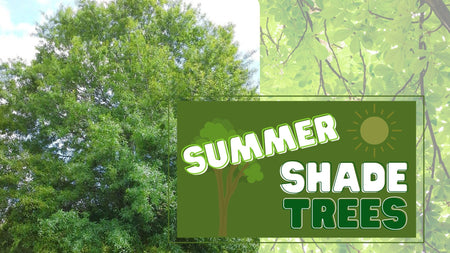
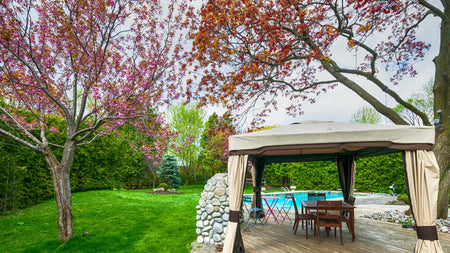
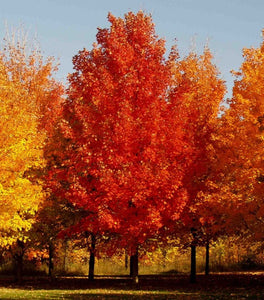
Images Depict Mature Plants
Green Vase Zelkova Tree
Zelkova serrata 'Green Vase'
Green Vase Zelkova is a strong shade tree, offering a graceful, upright form with an elm-like appearance and better disease resistance. I like it for larger lawns, streetscapes, driveways, and open landscapes where it has room to mature. The key is not to treat it like a small ornamental tree. Give it space, full sun, good establishment watering, and early pruning so the vase-shaped canopy develops cleanly.

20% Off Sitewide Sale!
Use Code 'ENDOFSEASON20' At Checkout
📦 Free shipping on orders over $99.
Delay shipping by leaving us a message at Checkout.
Share:

A Graceful Vase-Shaped Shade Tree with Strong Urban Performance
A Refined Shade Tree with Upright Vase-Shaped Form
Green Vase Zelkova Tree is a graceful Japanese Zelkova cultivar grown for its upright vase-shaped canopy, fine-textured foliage, and strong landscape structure. Its arching branches create an elm-like silhouette, making it a popular choice for homeowners who want the look of a classic shade tree with improved resistance to Dutch elm disease.
This cultivar is especially useful where a tall, elegant shade tree is needed for lawns, streetscapes, driveways, parks, commercial landscapes, and large front yards. Compared with broader zelkova selections, Green Vase has a more upright, narrower vase form, giving it a refined appearance while still providing meaningful shade.
Fine Green Foliage and Dappled Summer Shade
Green Vase Zelkova produces dense green foliage with a finer texture than many shade trees. The leaves create dappled shade rather than an overly heavy canopy, making the tree feel graceful and open while still cooling the landscape below.
In summer, the foliage gives the tree a clean, polished look. In fall, leaves can shift to orange, bronze, copper, and red tones depending on climate, soil, and seasonal weather. This seasonal transition adds an attractive autumn finish before the tree drops its leaves for winter.
Ideal for Streets, Lawns, Driveways, and Large Landscapes
Green Vase Zelkova is a strong choice for open lawns, street-tree plantings, driveway edges, parking lot islands, parks, campus landscapes, and large residential yards. Its upright branching and vase form make it especially valuable where a strong vertical shade tree is desired without the overly broad look of some wider-canopied cultivars.
Plant it where it has enough room to mature. This is not a tree for narrow foundation beds, tight courtyard spaces, or planting directly beneath overhead wires. With proper spacing, Green Vase Zelkova becomes a long-term shade tree with architectural form, seasonal color, and strong curb appeal.
Urban Tolerant and Resistant to Dutch Elm Disease
Green Vase Zelkova is valued for its tolerance of urban conditions and its resistance to Dutch elm disease. This makes it a useful alternative to elm-like shade trees in residential, commercial, and municipal landscapes.
Once established, it can tolerate some drought and challenging site conditions, though it performs best in full sun with moist, well-drained soil. Good establishment watering, mulch, and early pruning help the tree develop a stronger root system and more durable branch structure.
Easy Care with Sun, Space, and Early Structural Pruning
Plant Green Vase Zelkova in full sun with well-drained soil. It adapts to average soils but prefers deep, moist loam where available. Water regularly after planting until established, then provide deep watering during extended dry spells.
Young trees should be pruned carefully to develop strong branch spacing and reduce narrow crotches. Early structural pruning is especially important for zelkova trees, as their upright branching habit can become crowded if not properly trained. Once established and properly shaped, Green Vase Zelkova becomes a dependable, low-maintenance shade tree for large sunny spaces.
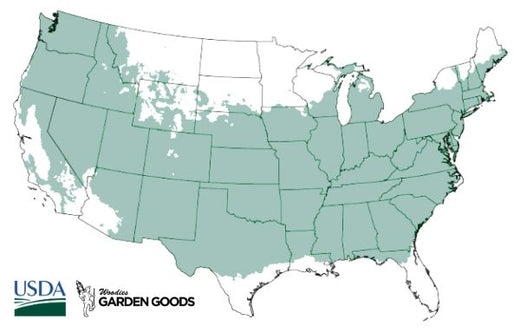
| Hardiness Zone: | 5-8 |
|---|---|
| Mature Height: | 40 to 60 Feet |
| Mature Width: | 30 to 40 Feet |
| Sunlight: | Full sun; tolerates light part shade |
| Soil | Average, moist, well-drained soil; prefers deep loam but adapts to urban soils |
| Water | Water regularly after planting; tolerates some drought once established |
| Bloom Time / Color | Spring; small greenish flowers, not ornamentally showy |
| Ornamental Features | Upright vase-shaped canopy, arching branches, fine foliage, dappled shade, fall color, attractive form |
| Wildlife Value | Provides shade, canopy habitat, and seasonal cover for birds and wildlife |
| Resistance (deer/disease/drought/etc.) | Resistant to Dutch elm disease; urban tolerant; drought tolerant once established; good winter hardiness |
| Landscape Uses | Shade tree, street tree, lawn tree, driveway tree, park tree, campus tree, commercial landscape tree, large specimen tree |
How to Care for Green Vase Zelkova Tree
Be sure to read our planting instructions to ensure a healthy and happy Green Vase Zelkova Tree for years to come!

How should I plant Green Vase Zelkova Tree?
Plant Green Vase Zelkova Tree in full sun with well-drained soil. Choose a location with enough room for the tree to mature into a medium-to-large shade tree. Avoid planting directly under overhead wires or too close to buildings, sidewalks, driveways, septic systems, or narrow landscape beds. Dig a hole about twice as wide as the root ball and just as deep. Set the root flare slightly above the surrounding soil line, backfill with native soil, and water thoroughly. Apply mulch over the root zone, keeping mulch several inches away from the trunk.
-v1781640365688.png?89x84)
How often should I water Green Vase Zelkova Tree after planting?
Water Green Vase Zelkova deeply after planting, then keep the root zone evenly moist while the tree establishes. During the first growing season, water when the top few inches of soil begin to dry, especially during hot, dry, or windy weather. Established trees can tolerate some drought, but they perform best with occasional deep watering during extended dry periods. Deep watering encourages a stronger root system than frequent shallow watering.

When should I fertilize Green Vase Zelkova Tree?
Fertilize Green Vase Zelkova in early spring only if growth is weak or soil fertility is low. A balanced slow-release tree fertilizer or compost topdressing can support healthy growth in poor soils. Avoid heavy fertilizing, especially with high-nitrogen fertilizer. Overfertilizing can encourage excessive soft growth. In most average soils, proper watering, mulching, and early structural pruning are more important than frequent feeding.

When and how should I prune Green Vase Zelkova Tree?
Prune Green Vase Zelkova during dormancy in late winter or early spring. Young trees benefit from formative pruning to develop strong branch spacing, reduce narrow crotches, and maintain a balanced vase-shaped canopy. As the tree matures, prune only as needed to remove dead, damaged, rubbing, or poorly placed branches. Avoid heavy unnecessary pruning. Good early training helps the tree develop a stronger canopy and better long-term shape.