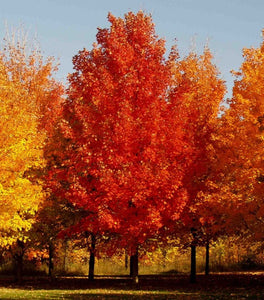
Images Depict Mature Plants
Flame Amur Maple
Acer tataricum subsp. ginnala 'Flame'
Flame Amur Maple is a tough small maple with outstanding fall color, but it needs to be planted responsibly. I like it for cold-climate landscapes where a compact red fall color tree is needed and local guidance allows it. Where it is appropriate, give it sun, room to spread, and good establishment watering for the best autumn color.

Save Up to 25% On Your Order! Limited Time Only!
Discount Applied Automatically At Checkout
📦 Free shipping on orders over $99.
Delay shipping by leaving us a message at Checkout.
Share:


A Compact Ornamental Maple with Brilliant Red Fall Color
A Small Maple Tree with Big Seasonal Color
Flame Amur Maple is a compact ornamental maple grown for its brilliant fall color, cold hardiness, and flexible landscape form. This small tree or large multi-stem shrub develops a rounded to spreading habit that fits beautifully into smaller yards, foundation areas, mixed borders, property edges, and open lawn spaces where a large shade tree would be too much.
Its medium-green summer foliage creates a clean backdrop throughout the growing season before turning bright red to fiery orange-red in fall. The cultivar name “Flame” fits the seasonal effect well, making this maple especially useful for homeowners who want strong autumn color in a manageable size.
Fragrant Spring Flowers and Red Winged Seeds
In spring, Flame Amur Maple produces small, fragrant, creamy-white flowers after the leaves emerge. These blooms are not as showy as those of ornamental cherries or dogwoods, but they add subtle seasonal interest and may attract small pollinators.
After flowering, the tree can produce winged maple seeds called samaras. These may turn red before maturing, adding another layer of color. Because Amur maple can seed into surrounding areas, gardeners should check local invasive plant guidance before planting, especially in regions where Amur maple is restricted, watch-listed, or discouraged.
Ideal as a Specimen, Screen, Hedge, or Multi-Stem Tree
Flame Amur Maple is versatile in the landscape. Grow it as a small specimen tree, train it into a single-trunk ornamental maple, allow it to develop as a multi-stem tree, or use it as a large shrub in informal screens and hedges. Its moderate mature size makes it useful in sites where larger maples would outgrow the space.
Use it near patios, at property corners, along driveways, in mixed tree-and-shrub borders, or as a seasonal focal point in an open lawn. It can also be effective in windbreak-style plantings and naturalized edges where local regulations allow its use. In smaller landscapes, provide enough room for the mature canopy so the tree does not crowd walkways, structures, or utilities.
Cold Hardy, Adaptable, and Drought Tolerant Once Established
Flame Amur Maple is valued for its cold hardiness and adaptability. It grows in full sun to part shade and tolerates a range of average, well-drained soils. Once established, it can handle occasional drought better than many moisture-sensitive ornamental trees.
For the best fall color and densest habit, plant it in full sun with consistent moisture during establishment. Heavy alkaline soils may cause iron chlorosis in some regions, so leaf color and overall vigor can vary depending on soil conditions. Mulching and proper watering help support strong root establishment and reduce stress.
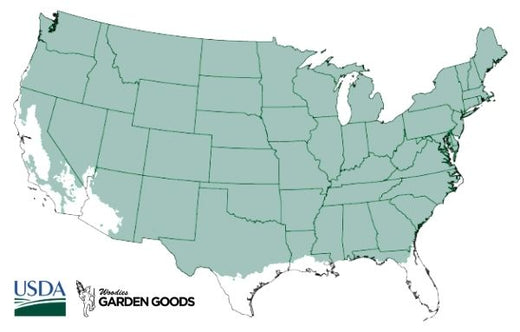
| Hardiness Zone: | 3-8 |
|---|---|
| Mature Height: | 15 to 20 feet |
| Mature Width: | 15 to 20 Feet |
| Sunlight: | Full sun to part shade; best fall color in full sun |
| Soil Condition | Average, moist, well-drained soil; adaptable but may show chlorosis in heavy alkaline soils |
| Water Requirements: | Water regularly after planting; drought tolerant once established |
| Bloom Time / Color | Spring; small fragrant creamy-white flowers |
| Ornamental Features | Brilliant fall color, compact size, multi-stem form, fragrant spring flowers, red winged seeds |
| Wildlife Value | Flowers may attract small pollinators; seeds may be eaten by wildlife |
| Resistance (deer/disease/drought/etc.) | Cold hardy; adaptable; drought tolerant once established |
| Landscape Uses: | Small specimen tree, multi-stem ornamental tree, large shrub, hedge, screen, windbreak, property edge, mixed border, fall color focal point |
How to Care for Flame Amur Maple
Be sure to read our planting instructions to ensure a healthy and happy Flame Amur Maple for years to come!

How should I plant Flame Amur Maple?
Plant Flame Amur Maple in full sun to part shade with well-drained soil. Choose a location with enough room for the tree or large shrub to mature without crowding buildings, sidewalks, driveways, overhead wires, or other trees. Full sun usually produces the strongest fall color. Dig a hole about twice as wide as the root ball and just as deep. Set the root flare slightly above the surrounding soil line, backfill with native soil, and water thoroughly. Apply mulch around the root zone, keeping mulch away from the trunk or main stems.

How often should I water Flame Amur Maple after planting?
Water Flame Amur Maple deeply after planting, then keep the root zone evenly moist while the tree establishes. During the first growing season, water when the top few inches of soil begin to dry, especially during heat, wind, or drought. Once established, Flame Amur Maple has some drought tolerance, but it still performs best with occasional deep watering during extended dry periods. Avoid frequent shallow watering, which encourages weak surface roots.

When should I fertilize Flame Amur Maple?
Fertilize Flame Amur Maple in early spring only if growth is weak or soil fertility is low. A balanced slow-release tree and shrub fertilizer or a compost topdressing can support healthy growth. Avoid heavy fertilizing, especially with high-nitrogen products. Too much fertilizer can encourage excessive soft growth and may not improve fall color. If leaves appear yellow with green veins, especially in alkaline soils, test the soil before treating for possible iron chlorosis.

When and how should I prune Flame Amur Maple?
Prune Flame Amur Maple in late winter or early spring while the tree is dormant. Remove dead, damaged, crossing, or poorly placed branches. If you want a single-trunk tree, select one strong leader early and remove competing stems gradually. For a multi-stem ornamental form, maintain several well-spaced main stems and thin congested growth as needed. Avoid heavy pruning late in the growing season, and do not remove more than necessary in a single year.