

Images Depict Mature Plants
Okame Cherry Tree
Prunus x yedoensis 'Okame'
Okame Cherry Tree is one of my favorite ways to get spring started early. The rosy-pink flowers arrive ahead of so many other trees, and that makes the whole landscape feel alive again when most gardens are still just waking up. I also like that it brings more than spring color, with a manageable umbrella-shaped canopy, good toughness in heat and humidity, and really strong bronze-orange fall color. For homeowners looking for an early-blooming cherry tree, a pink-flowering focal point, or a hardy ornamental for a front yard or driveway, this is a beautiful choice.

15% OFF SITEWIDE, USE CODE 'FALLPLANT15'
📦 Free shipping on orders over $99.
Delay shipping by leaving us a message at Checkout.
Share:


An Early-Blooming Cherry Blossom Tree With Rosy Pink Flowers And Lasting Beauty
One Of The Earliest Cherry Trees To Bloom In Spring
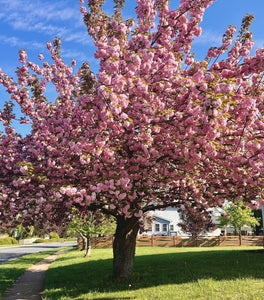
The Okame Cherry Tree is prized for getting the spring show started earlier than many other flowering trees. As one of the first pink cherry blossom trees to open, it fills the landscape with rosy-pink blooms in early to mid-March, bringing color and energy just when winter is starting to fade. That early performance makes it especially valuable for homeowners who want a tree that signals the season before most other ornamentals have even begun to wake up.
The flower display is vivid and memorable, covering the branches in bright pink color that stands out beautifully against the still-bare spring landscape. Because the blooms arrive so early, the tree creates an outsized visual impact and feels especially exciting after a long winter. For gardeners who want a true early-spring focal point, the Okame Cherry Tree is a standout choice.
A Compact Ornamental Tree With Big Landscape Presence
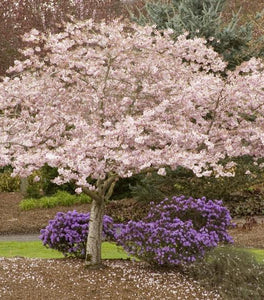
Okame Cherry Tree offers the beauty of a flowering cherry without demanding the space of a much larger canopy tree. Its upright, umbrella-shaped habit gives it a graceful structure that works beautifully in front yards, lawn islands, and along paths or driveways. It is large enough to make a real statement, yet it still fits comfortably in many residential landscapes with limited space.
That balance of presence and manageability is one of the reasons this tree is so useful. It can serve as a specimen that draws attention on the street, or be planted in groups to create a stronger seasonal effect. Either way, it adds a polished, established feel to the landscape while remaining easier to place than larger flowering trees.
A Hardy Pink Cherry Tree That Handles Real-World Conditions
Beyond the bloom show, the Okame Cherry Tree is appreciated for being easy to grow and notably tough for such a refined-looking ornamental. It is described as exceptionally hardy and able to withstand high temperatures, humidity, and drought well once established. That makes it an especially practical option for homeowners who want cherry blossom beauty but also need a tree that can perform in everyday landscape conditions.
This adaptability gives Okame an edge on sunny sites where other ornamental trees may struggle. With full sun and well-drained soil, it settles in as a dependable flowering tree that rewards basic care with years of seasonal color. If you want a pink cherry blossom tree that combines elegance with resilience, this is a strong contender.
Spring Bloom, Summer Structure, And Excellent Fall Color
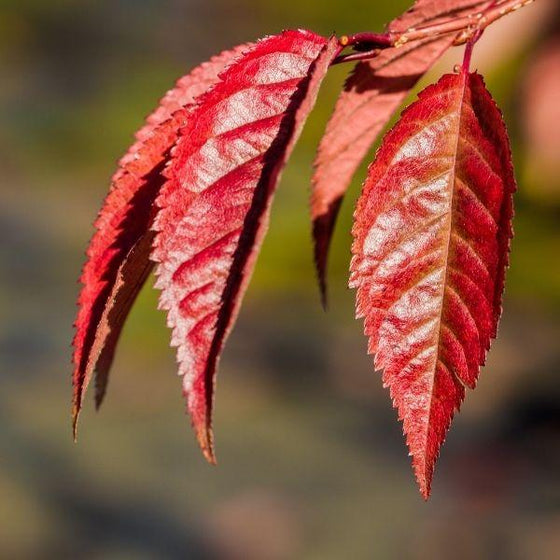
Okame Cherry Tree does not stop earning its place after bloom season ends. Through the growing season, its dark green foliage helps anchor the landscape and gives the tree a neat, finished appearance. In fall, it puts on another show with brilliant bronze-orange foliage, often highlighted with coppery orange and yellow tones that extend the tree’s seasonal value well beyond spring.
That four-season contribution is part of what makes this tree so rewarding. In spring, it delivers one of the earliest blossom displays, in summer, it provides structure and shade, and in fall, it adds another burst of color before winter dormancy. For homeowners looking for a flowering cherry tree with more than one moment of beauty, the Okame Cherry Tree is an excellent fit.
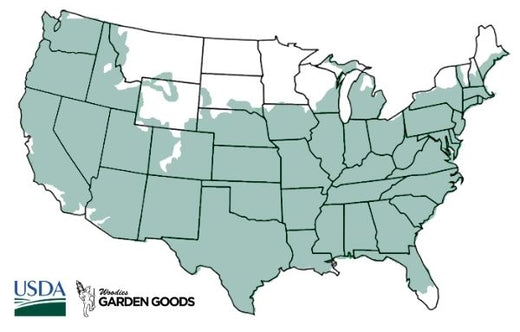
| Hardiness Zone: | 5-9 |
|---|---|
| Mature Height: | 20 to 30 Feet |
| Mature Width: | 20 to 25 Feet |
| Sunlight: | Full sun |
| Bloom Time / Color | Early to mid-March; rosy-pink flowers |
| Soil Condition: | Any well drained soil |
| Water Requirements: | Water well until established |
| Wildlife Value | Ornamental spring specimen value in the landscape |
| Resistance (deer/disease/drought/etc.) | Heat tolerant, humidity tolerant, and drought adaptable once established |
| Landscape Uses | Specimen tree, yard focal point, driveway planting, path-side planting, mass planting, spring focal point |
How to Care for Okame Cherry Tree
Be sure to read our planting instructions to ensure a healthy and happy Okame Cherry Tree for years to come!
-v1774275610257.png?92x91)
How should I plant Okame Cherry Tree?
Plant Okame Cherry Tree in full sun and well-drained soil for the best flowering and strongest fall color. Choose a location with enough room for its mature umbrella-shaped canopy to spread naturally, whether you are using it as a specimen, a driveway tree, or part of a grouped planting. Set the tree in a pre-dug hole that is at least 1 foot wider than the root system and plant it at the same depth it was growing before. Backfill with soil amended with compost, water thoroughly to remove air pockets, and finish with a 2- to 3-inch mulch layer around the base while keeping a small gap between the mulch and the trunk.

How often should I water an Okame Cherry Tree after planting?
Give Okame Cherry Tree a slow, deep watering after planting to help the roots settle in. During the first month or so, water 2 to 3 times a week while the tree is establishing, then reduce to about once a week for the remainder of the first year, adjusting for rainfall and temperature. Deep, thorough watering is much better than frequent light watering. Once the tree is established, it becomes more adaptable and can handle drier conditions, but regular deep watering during establishment is the key to long-term success.
-v1774275644624.png?90x89)
How should I fertilize Okame Cherry Tree?
Fertilize Okame Cherry Tree lightly in spring once frost has passed using a balanced, extended-release fertilizer. Young trees can also benefit from a second feeding about 6 to 8 weeks later if you want to encourage denser foliage or a little faster early growth. At planting time, incorporating a root-starter or soil-supporting fertilizer can help the tree establish more successfully. Both organic and conventional fertilizers can work well, but a moderate feeding schedule is usually enough to support healthy growth and flowering.

When and how should I prune Okame Cherry Tree?
Okame Cherry Tree is often listed as needing no routine pruning, but light pruning can still be useful for overall plant health. Remove any dead, damaged, or degenerative twigs to improve the tree’s appearance and help it direct energy toward healthy growth and flowering. Always use sharp hand tools and avoid harsh power trimming equipment. If pruning is needed, keep it selective and focused on health and structure rather than heavy reshaping, since the natural umbrella-like habit is one of the tree’s best ornamental features.