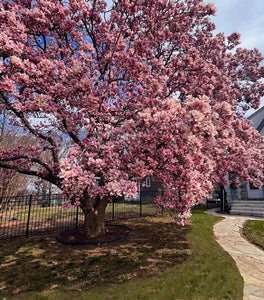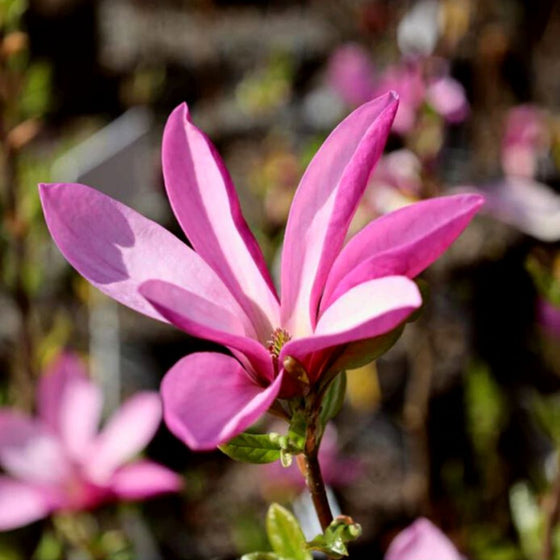
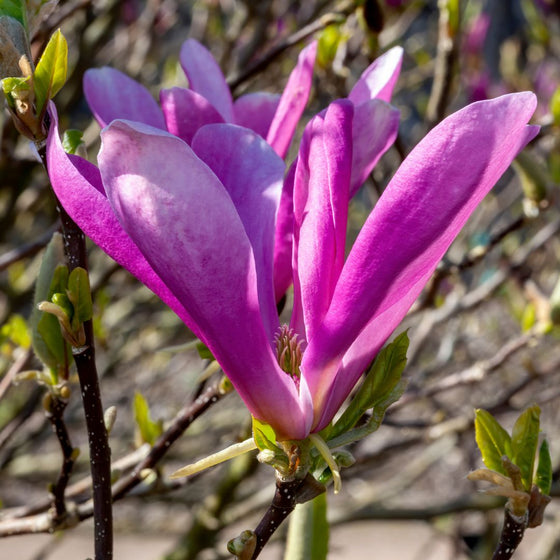


Images Depict Mature Plants
Jane Magnolia
Magnolia liliflora 'Jane'
Jane Magnolia is one of those flowering trees that gives a homeowner a whole lot of spring beauty without demanding a huge amount of space. I like it because it brings rich purple blooms, a graceful habit, and a later flowering season that makes it a more dependable choice where spring frost can be unpredictable. It works beautifully as a front-yard specimen, an entry accent, or a focal point in a mixed planting, and it has that rare ability to feel both elegant and approachable at the same time. For anyone looking for a compact magnolia tree with standout color and real landscape versatility, Jane is easy to get excited about.

20% Off Sitewide Sale!
Use Code 'ENDOFSEASON20' At Checkout
📦 Free shipping on orders over $99.
Delay shipping by leaving us a message at Checkout.
Share:

Compact Purple Magnolia Blooms for Small Yards and Spring Color
A Compact Flowering Tree with Big Spring Presence
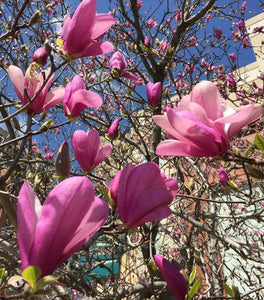
Jane Magnolia is a standout flowering tree for homeowners who want dramatic spring color without committing to a large, sprawling magnolia. This compact deciduous magnolia grows as a multi-stem shrub or small tree, making it an excellent fit for front-yard focal points, foundation beds, courtyard gardens, and smaller landscape spaces where every plant needs to earn its place. In bloom, it delivers an impressive display of tulip-shaped flowers in rich reddish-purple with lighter interiors, bringing elegance and color to the garden just as the season begins to wake up.
Its manageable size is one of the biggest reasons gardeners continue to choose it. While some magnolias eventually dominate a planting area, Jane Magnolia stays more controlled, typically reaching a size that suits residential landscapes beautifully. That makes it easier to integrate near patios, entryways, windows, and mixed borders without worrying that it will quickly outgrow the space. It offers all the romance of a magnolia bloom show in a scale that feels realistic for everyday home landscapes.
Because it can be grown in a shrubby or tree-like form, homeowners have flexibility in how they use it. Left naturally, it creates a full, soft, elegant flowering accent. With light structural pruning, it can also be shaped into a more upright small tree that works beautifully as a specimen. That adaptability helps it fit a wide range of landscape styles, from traditional foundation plantings to looser cottage-inspired gardens.
For anyone looking for a compact flowering tree that delivers color, structure, and seasonal beauty without overwhelming the planting design, Jane Magnolia is an especially smart choice. It combines ornamental charm with a footprint that works in real landscapes.
Late Blooming Beauty That Helps Avoid Frost Damage
One of the most valuable features of Jane Magnolia is its later bloom time. As part of the Little Girl magnolia series, it generally flowers later than many traditional magnolias, often in mid to late spring. That timing matters because it helps the flower buds avoid damage from late frosts that can spoil earlier magnolia displays. For homeowners in colder regions or areas with erratic spring weather, this can make the difference between a tree that blooms reliably and one that disappoints in some years.
The flowers themselves are a major reason this plant earns such a loyal following. Large, slender tulip-shaped blooms open in deep reddish-purple on the outside with white to pale pink interiors, creating a striking two-toned effect. They appear on bare branches just before or as the foliage begins to emerge, which gives the whole plant a clean, dramatic presence in the landscape. In favorable seasons, Jane Magnolia may even produce a light repeat bloom later in summer.
That later-blooming habit brings both beauty and peace of mind. Instead of worrying that the first warm week of spring will push the buds too early, gardeners can enjoy a magnolia that waits a bit longer and often delivers a more dependable floral show. This makes Jane Magnolia a practical option as well as a beautiful one, especially in climates where spring temperatures tend to swing.
Its bloom season also pairs well with other spring performers in the landscape. Hellebores, daffodils, evergreen shrubs, and early perennials all make excellent companions, helping extend the overall display while framing the magnolia’s flowers with contrasting texture and form.
Designed for Small Yards, Entry Gardens, and Specimen Use
Jane Magnolia shines in residential landscapes where scale and placement really matter. In a small front yard, it can serve as a graceful specimen tree, adding seasonal excitement without crowding the house or overwhelming nearby plantings. Near a front walk or patio, it becomes a plant homeowners can genuinely enjoy up close, with its flower color and lightly fragrant blooms creating a strong seasonal impression.
Its upright, compact habit makes it especially useful in spaces where a large ornamental tree would be too much. It can anchor a foundation bed, soften the corner of a home, frame an entry, or act as the centerpiece of a mixed shrub border. In larger landscapes, it can be repeated as a smaller accent tree among evergreens and flowering shrubs, helping build depth and rhythm into the design.
Even after the bloom show ends, Jane Magnolia continues to contribute to the planting. Medium green foliage fills in through spring and summer, giving the plant a clean, full look that supports surrounding shrubs and perennials. In fall, it may develop yellow tones before leaf drop, adding another subtle seasonal layer. That means it offers more than just a brief flower moment; it plays a valuable role in the landscape throughout the growing season.
Because it remains compact, Jane Magnolia is also easier to live with over time. It allows homeowners to enjoy the character of a magnolia in smaller gardens, side yards, and carefully scaled landscapes where oversized flowering trees are simply not the right fit.
Easy-Care Performance with Lasting Landscape Value
Jane Magnolia performs best in full sun to partial shade, where it can produce strong flowering and healthy growth. It prefers moist, well-drained soil with good organic matter and slightly acidic conditions, though it is fairly adaptable once established if drainage is reliable. Like many magnolias, it appreciates even moisture and benefits from being planted in a protected location where harsh wind and extreme site stress are minimized.
Watering is especially important during the establishment period. Newly planted specimens need steady moisture so the roots can settle in and support future growth and bloom production. A generous mulch layer helps conserve moisture, regulate soil temperature, and reduce weed competition. Once the plant is established, care becomes fairly straightforward, which is part of its long-term appeal for homeowners who want beauty without constant upkeep.
Pruning needs are light and simple. Most of the time, Jane Magnolia only needs minor shaping, the removal of damaged branches, or occasional structural guidance after it flowers. Because it blooms on older wood, heavy pruning at the wrong time can reduce the next season’s flowers, so a light hand is best. Its naturally attractive habit means it rarely needs much intervention to stay handsome.
Over time, Jane Magnolia becomes one of those signature spring plants that homeowners look forward to every year. With proper siting and basic care, it rewards the landscape with reliable flower power, elegant structure, and a scale that remains useful and beautiful for years to come.
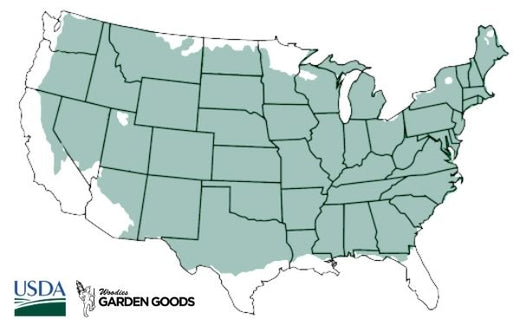
| Hardiness Zone: | 4-8 |
|---|---|
| Mature Height: | 15 to 20 Feet |
| Mature Width: | 12 to 15 Feet |
| Sunlight: | Full sun to partial shade |
| Bloom Time / Color | Mid to late spring; reddish-purple outside with white interiors |
| Soil Condition: | Moist, well-drained, organically rich, slightly acidic soil |
| Water Requirements: | Moderate; consistent moisture during establishment |
| Wildlife Value | Provides seasonal interest and shelter value in layered landscapes |
| Resistance (deer/disease/drought/etc.) | Later bloom helps reduce frost damage; relatively low maintenance once established |
| Landscape Uses | Specimen tree, foundation accent, small yard focal point, mixed border, courtyard planting |
How to Care for Jane Magnolia
Make sure to read about the recommended care instructions to keep Jane Magnolia healthy and thriving for years to come!

How should I plant Jane Magnolia?
Plant Jane Magnolia in a location with full sun to partial shade and moist, well-drained soil. Dig a hole about twice as wide as the root ball and no deeper than the root ball itself, then position the plant so the root flare sits level with or slightly above the surrounding soil line. Backfill with native soil, water deeply to settle the roots, and apply mulch around the base, keeping it away from the trunk. Give the plant enough room for its mature width so it can develop a full natural shape without crowding nearby shrubs, structures, or walkways.

How often should I water Jane Magnolia after planting?
Water Jane Magnolia deeply after planting and keep the soil consistently moist through the first growing season. In most landscapes, that means regular watering during dry weather so the root zone does not dry out completely while the plant is establishing. After establishment, continue to provide water during extended hot or dry periods, especially in spring and summer. A steady moisture level supports healthier foliage and stronger bloom performance than letting the soil swing between very dry and very wet conditions.

When should I fertilize Jane Magnolia?
Fertilize Jane Magnolia in early spring just as new growth begins, using a balanced slow-release fertilizer or one formulated for flowering trees and shrubs. In rich garden soil, light feeding is often all that is needed to support healthy growth and reliable flowering. Avoid overfertilizing with high-nitrogen products, since that can encourage leafy growth at the expense of flowers. A topdressing of compost or well-aged organic matter can also help maintain good soil structure and support long-term plant health.

When and how should I prune Jane Magnolia?
Prune Jane Magnolia right after it finishes blooming in spring. That timing allows you to shape the plant and remove damaged branches without cutting off the flower buds that will produce next year’s display. Keep pruning light and selective, focusing on broken, crossing, or crowded branches and on maintaining the plant’s natural form. Heavy pruning later in the year can reduce future bloom, so it is best to make only the cuts that truly improve structure or appearance.