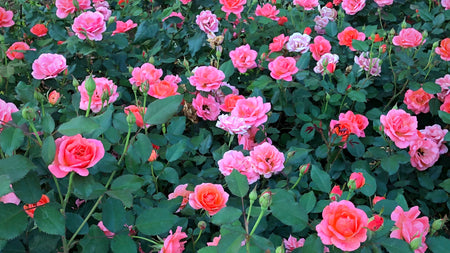
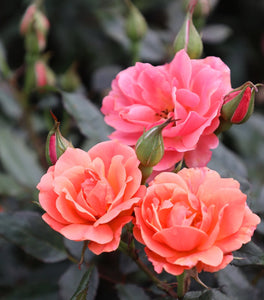
Images Depict Mature Plants
Oso Easy Double Red® Rose
Rosa x 'Meipeporia' USPP 26298
Oso Easy Double Red® is a good bridge between a classic rose and a modern landscape shrub. The flowers are full enough to feel traditional, but the plant does not ask you to spend the summer deadheading and chasing black spot. Those long stems also hold the blooms above the foliage, where you can actually see them. Give it a real full-sun location, steady moisture, and one sensible pruning in spring, and it will provide a strong red display without turning rose care into another full-time job.

15% OFF SITEWIDE SALE
Use Code 'PRIMETIME15' At Checkout
📦 Free shipping on orders over $99.
Delay shipping by leaving us a message at Checkout.
Share:


Deep Red Double Roses with Easy, Season-Long Performance
Lush Double Red Flowers Rise Above the Foliage
Oso Easy Double Red® Rose produces richly colored, double flowers that give a sunny landscape the presence of a traditional red rose without the demanding care routine. Each cup-shaped bloom is filled with approximately 25 overlapping petals, creating a full flower with considerably more depth than a single landscape rose.
The flower color ranges from deep red to warm rosy red, often displaying hot pink or subtle orange-red undertones as the petals open and mature. This natural variation helps the flowers remain lively rather than appearing as one flat block of color.
Individual blossoms can reach approximately three inches across and commonly appear in clusters of one to five. The blooms are carried on long stems above the foliage, making them highly visible from across the yard and useful for casual cutting.
The saturated red coloring pairs especially well with white flowering shrubs, purple salvia, blue catmint, silver foliage, and golden ornamental grasses. It can create a bold focal point on its own or provide a repeating color theme through a broader landscape.
Self-Cleaning Flowers Keep the Rose Blooming Without Deadheading
Oso Easy Double Red® begins its main flower display in early summer and continues reblooming through the growing season. Mature plants can produce successive waves of color into fall, with especially strong flowering possible as temperatures begin to moderate.
The flowers are self-cleaning, meaning the petals detach naturally as each bloom ages. Regular deadheading is not required to keep new flowers coming, making this rose easier to manage in hedges, mass plantings, and larger foundation beds.
Gardeners can still remove old flower clusters for an especially polished appearance, but the plant does not depend on that maintenance to rebloom. This is one of its most practical advantages over older roses that quickly direct their energy toward seed production.
The flowers have little to no noticeable fragrance. Oso Easy Double Red® is best selected for its flower color, fullness, long stems, repeat performance, and healthy foliage, rather than for its strong scent.
A Rounded 3-to-4-Foot Shrub for Hedges and Borders
Oso Easy Double Red® Rose develops into a dense, rounded shrub approximately 3 to 4 feet tall and equally wide. It is larger than several compact Oso Easy roses, so it should be given enough space to form its naturally full outline.
Use one plant as a flowering specimen, repeat several along a sunny foundation, or create a low, informal hedge. Its medium size also works well toward the middle of a mixed shrub border, where the red flowers can rise above shorter perennials.
Space individual plants approximately 3 to 4 feet apart, measured from the center of one shrub to the next. Closer spacing will create a continuous mass more quickly, while wider spacing allows the rounded habit of each plant to remain visible.
Oso Easy Double Red® can also grow in a substantial outdoor container with dependable drainage. Container plants require more frequent watering and winter protection, particularly near the colder edge of the cultivar’s hardiness range.
Lustrous Green Foliage Stays Cleaner Through Summer
Healthy foliage is one of the qualities that separates Oso Easy Double Red® from many traditional roses. Its dense green leaves create a clean background for the dark red flowers and remain ornamental through the growing season.
The cultivar has excellent resistance to both black spot and powdery mildew. This greatly reduces the likelihood of defoliation and dusty-looking leaves that can make susceptible rose varieties unattractive during humid summer weather.
Disease resistance does not eliminate the value of good planting practices. Provide at least six hours of direct sunlight, allow air to circulate between shrubs, and direct irrigation toward the root zone rather than wetting the foliage regularly.
Remove dead or damaged leaves when they appear and clean old foliage from beneath the plant during seasonal maintenance. These basic steps support the cultivar’s natural resistance and help the shrub remain vigorous from spring through fall.
Full Sun and Straightforward Care Produce the Best Flowering
Plant Oso Easy Double Red® Rose in full sun, preferably where it receives six or more hours of direct light each day. Plants grown with insufficient sunlight may produce fewer flowers and can become more susceptible to foliage problems.
Choose average, moist but well-drained soil. Roses need dependable moisture during establishment and active flowering, but extended sogginess around the roots should be avoided. Water deeply at the base and allow the upper soil to begin drying before watering again.
Apply a granular rose fertilizer in late winter or early spring when growth begins. A second light feeding in late spring can support the next flowering cycle. Avoid heavy late-summer fertilization, which may encourage tender growth before cold weather.
Prune in early spring by removing dead, damaged, and weak interior growth, then reduce the shrub’s height and width by approximately one-third when needed. Oso Easy Double Red® flowers on new growth, so this annual refresh encourages strong stems and an abundant season of flowers.
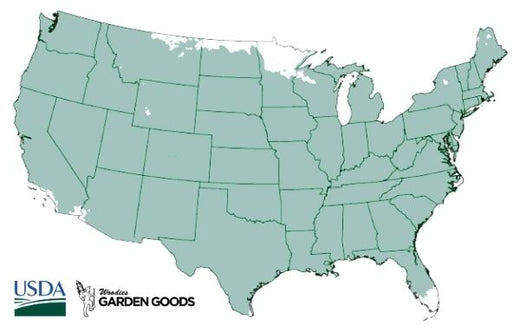
| Hardiness Zone: | 4-9 |
|---|---|
| Mature Height: | 3 to 4 Feet |
| Mature Width: | 3 to 4 Feet |
| Sunlight: | Full sun; at least 6 hours of direct sunlight produces the best bloom and foliage performance |
| Soil | Average to fertile, moist but well-drained soil; acidic to neutral conditions are preferred |
| Water | Consistent during establishment; average moisture after establishment with deep watering during dry periods |
| Bloom Time / Color | Early summer through fall or frost; deep red double flowers with rosy pink and occasional orange-red undertones |
| Foliage | Dense, lustrous to matte dark green foliage with firm, leathery leaflets |
| Ornamental Features | Double red flowers; approximately 25 petals per bloom; long flowering stems; rounded habit; clean green foliage |
| Wildlife Value | Flowers may attract bees and butterflies, though the double form offers less accessible pollen than a single rose |
| Resistance | Excellent resistance to black spot and powdery mildew; good general disease tolerance; salt tolerant; not considered deer resistant |
| Landscape Uses | Foundations; informal hedges; mass plantings; mixed borders; cottage gardens; rose gardens; specimens; cutting gardens; large containers |
How to Care for Oso Easy Double Red® Rose
Be sure to read our planting instructions to ensure a healthy and happy Oso Easy Double Red® Rose for years to come!
-v1785863010462.png?92x91)
How should I plant Oso Easy Double Red® Rose?
Select a full-sun location with well-drained soil and enough room for a 3-to-4-foot shrub. Dig a planting hole about twice as wide as the nursery container but no deeper than the root ball. Loosen tightly circling roots and place the plant so the top of the root ball is level with the surrounding soil. Backfill with the loosened native soil, press gently to eliminate large air pockets and water thoroughly. Apply 2 to 3 inches of mulch over the root zone, keeping it several inches away from the stems. Space multiple shrubs approximately 3 to 4 feet apart.
-v1785863035522.png?89x84)
How often should I water Oso Easy Double Red® Rose after planting?
Water deeply immediately after planting and monitor the root zone closely during the first growing season. Water whenever the upper 1 to 2 inches of soil begin to dry. Newly planted roses may need water more than once per week during hot or rainless weather. Once established, provide a slow, deep soaking during extended dry periods. Direct the water toward the soil beneath the shrub instead of repeatedly wetting the leaves and flowers. Consistent moisture supports stronger rebloom, but the roots should never remain waterlogged.
-v1785863051890.png?90x89)
When should I fertilize Oso Easy Double Red® Rose?
Apply a granular rose fertilizer in late winter or early spring when the soil becomes workable and new growth begins. Follow the product label and apply fertilizer to moist soil rather than against dry roots. A second light application in late spring can support continued summer flowering. Avoid excessive nitrogen and stop feeding well before fall frost so new growth has time to mature before winter.

When and how should I prune Oso Easy Double Red® Rose?
Prune Oso Easy Double Red® in early spring as the buds begin swelling. Remove dead, damaged, weak and crossing branches first, then thin crowded growth from the center to improve airflow. Reduce the remaining height and width by approximately one-third when shaping is needed. Make each cut about one-quarter inch above a strong outward-facing bud. Dead or damaged growth can be removed at any time, while deadheading faded flowers remains optional.