Images Depict Mature Plants
Sundial Heliopsis
Heliopsis helianthoides 'Sundial' PP37407
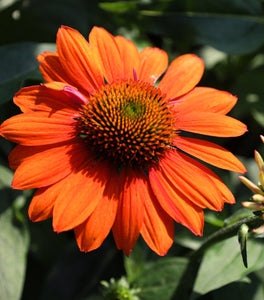
Sundial has enough height to anchor the back of a perennial bed, but it is the changing flower color that really makes it interesting. Fresh blooms show a strong burnt-red eye, then soften toward gold as they age, so the plant never looks like a single flat block of yellow. Keep the soil average, give it all the sun you can, and do not overfeed it. Those simple choices help the stems stay strong and let this native perennial handle summer heat with very little fuss.

20% Off Sitewide Sale!
Use Code 'ENDOFSEASON20' At Checkout
📦 Free shipping on orders over $99.
Delay shipping by leaving us a message at Checkout.
Share:


Golden Flowers with Red Eyes for Lasting Summer Color
Golden Flowers Open with Striking Burnt-Red Centers
Sundial Heliopsis brings a warmer, more dramatic look to the classic native false sunflower. Its daisy-like flowers open with golden outer petals surrounding broad burnt orange-red eyes, creating a bold two-tone display that stands out clearly across a sunny landscape.
The red eye zone gradually fades as each bloom matures, allowing newer red-and-gold flowers and older golden flowers to appear on the plant simultaneously. This natural progression gives Sundial more visual depth than a solid-yellow Heliopsis and keeps the planting from looking flat or repetitive.
Individual flowers may be single or semi-double, with overlapping rows of narrow golden petals. Mature blooms can reach approximately 2½ to 3 inches across and face upward, where their changing color pattern remains easy to see.
Sundial begins flowering around midsummer and can continue for six to eight weeks. Regular deadheading extends the display and helps prevent the plant from directing unnecessary energy into seed production.
Dark Olive-Green Foliage Adds Contrast Before the Flowers Open
Sundial’s foliage helps distinguish it from more traditional green-leaved false sunflowers. The leaves are dark olive green with burgundy highlights concentrated along their margins, veins, and younger growth.
That subtle burgundy coloring creates an attractive background for the golden flowers and burnt-red eyes. The contrast is strongest when the plant receives abundant sunlight and is not pushed with excessive fertilizer.
Leaves are lance-shaped to oval with serrated edges and a slightly coarse texture. They develop along strong, branched stems, helping the plant form a dense, rounded outline rather than a collection of sparse flower stalks.
Because the foliage emerges well before bloom, Sundial contributes structure and dark color to the border from spring onward. After frost, the stems and leaves die back naturally, leaving the crown dormant underground until growth resumes the following spring.
A Tall, Rounded Perennial for the Middle or Back of the Border
Sundial Heliopsis grows approximately 48 to 54 inches tall and about 42 inches wide. Its substantial height makes it most useful through the middle or back of a perennial border, where it can rise above shorter coneflowers, salvias, and compact ornamental grasses.
Multiple stems emerge from the crown and branch extensively, producing a full, rounded plant with flowers distributed across the upper portion. Strong stems offer good resistance to summer wind and rain when the plant is grown in average garden soil.
Use Sundial as a single late-season focal point or repeat several plants to form a broad drift of gold and red. It fits naturally into prairie gardens, native borders, cottage gardens, pollinator plantings, and sunny cutting gardens.
Give the plant enough room to reach its mature width. Placing it too close to pathways or shorter front-border plants can cause its broad summer canopy to crowd neighboring growth.
Native Flowers Support Pollinators and Cutting Gardens
Sundial is a cultivated selection of Heliopsis helianthoides, a wildflower native across much of central and eastern North America. Its flowers provide a familiar daisy-like landing platform for bees, butterflies, and other beneficial insects during the height of summer.
The bloom period arrives when pollinator gardens benefit from dependable nectar and pollen. Planting Sundial with coneflowers, mountain mint, blazing star, asters and native ornamental grasses creates a longer sequence of flowers and a more complete habitat planting.
When faded flower heads are allowed to remain, dark seeds may develop and provide seasonal interest for songbirds. Gardeners who prefer a tidier look or want to limit volunteer seedlings can remove the spent blooms before seeds mature.
The sturdy stems also make Sundial valuable in a cutting garden. Flowers can remain effective for approximately a week or longer after being cut, and the warm gold-and-red coloring pairs especially well with purple, blue, white, and burgundy flowers.
Full Sun and Average Soil Produce the Strongest Stems
Plant Sundial Heliopsis in full sun for the heaviest flowering, richest foliage color, and most compact growth. It tolerates partial sun, but plants receiving less than six hours of direct light may produce fewer flowers or develop softer stems.
Average garden soil is preferable to heavily amended, moisture-rich soil. Excessive fertilizer and constant moisture can encourage overly lush growth that is more likely to lean or require staking. Well-drained clay, loam, or sandy soil can all be suitable.
Water regularly during the first growing season while the deep root system develops. Established plants tolerate heat, occasional drought, and dry soil, although a deep watering during prolonged drought helps preserve the flower display.
Sundial has excellent resistance to powdery mildew, an important improvement for humid summer gardens. Deadhead spent flowers to extend bloom, or leave some seed heads for birds. Cut the stems back after frost or during late-winter cleanup before new growth begins.
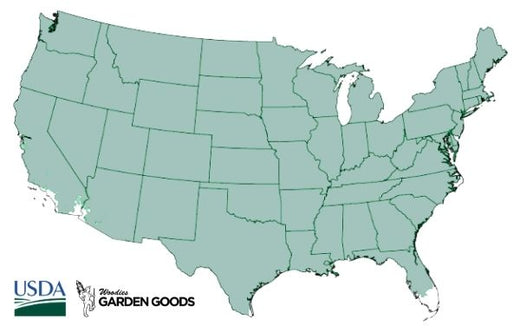
| Hardiness Zone: | 3-9 |
|---|---|
| Mature Height: | 48 to 54 Inches |
| Mature Width: | Up to 42 Inches |
| Sunlight: | Full sun to partial sun; best growth and flowering with at least 6 hours of direct sunlight |
| Water Requirements: | Average; water consistently during establishment, then during extended drought |
| Soil | Average-fertility, well-drained soil; adaptable to clay, loam and sandy soil |
| Bloom Time / Color | Midsummer through late summer; gold flowers open with burnt orange-red eyes that fade toward golden yellow |
| Wildlife Value | Attracts bees, butterflies and other pollinators; mature seeds may be eaten by songbirds |
| Ornamental Features | Changing red-and-gold flower color; single to semi-double blooms; dark foliage; burgundy leaf margins; dense rounded habit |
| Resistance | Excellent powdery mildew resistance; tolerant of heat, drought, dry soil and poor soil once established; generally considered deer and rabbit resistant |
| Landscape Uses | Native gardens; pollinator gardens; prairie plantings; cottage gardens; middle or back borders; mass plantings; cutting gardens; naturalized areas |
How to Care for Sundial Heliopsis
Be sure to read our planting instructions to ensure a healthy and happy Sundial Heliopsis for years to come!
-v1785771308368.png?92x91)
How should I plant Sundial Heliopsis?
Choose a full-sun location with well-drained soil and enough space for a plant that may reach more than four feet tall and approximately 42 inches wide. Dig a hole about twice as wide as the nursery container but no deeper than the root ball. Position the crown level with the surrounding soil. Backfill with the loosened native soil, press gently around the roots and water thoroughly. Space multiple plants about 42 inches apart. Apply a two-inch layer of mulch to conserve soil moisture, keeping the mulch slightly away from the crown and lower stems.

How often should I water Sundial Heliopsis after planting?
Water deeply immediately after planting and keep the root zone evenly moist during the first growing season. Check the soil regularly and water when the upper one or two inches begin to dry, especially during hot weather. Once established, Sundial develops a deep root system and tolerates occasional drought. Continue to provide a deep soaking during prolonged dry periods, but avoid constant irrigation or poorly drained soil that keeps the crown wet.
-v1785771309533.png?90x89)
When should I fertilize Sundial Heliopsis?
Apply a thin layer of compost around the plant in early spring as new growth emerges. In average garden soil, this may provide all the nutrition Sundial needs. When soil is particularly lean, use a light application of balanced slow-release fertilizer according to the label. Avoid heavy feeding or high-nitrogen fertilizers, which can produce overly lush growth, reduce stem strength and increase the need for staking.

When and how should I prune or cut back Sundial Heliopsis?
Remove faded flowers throughout summer by cutting each stem back to a healthy leaf or developing side branch. Deadheading encourages continued flowering and limits unwanted seedlings. After frost browns the plant, cut the stems back to approximately three or four inches above the ground. The old stems can also remain through winter for seed-eating birds and then be removed in late winter before new shoots emerge.