Images Depict Mature Plants
Rays for Days Heliopsis
Heliopsis helianthoides 'Rays for Days' PP37266 CPBRAF
Rays for Days gives you the sunny reliability of false sunflower with a flower that looks much more finished than the usual single daisy. Those densely layered blooms remind me of small golden zinnias, and the compact habit makes the plant easier to use near the front or middle of a border. Give it full sun and average soil, and do not overfeed it. That is the best way to keep the stems strong, the mound tidy and the flowers coming.

20% Off Sitewide Sale!
Use Code 'ENDOFSEASON20' At Checkout
📦 Free shipping on orders over $99.
Delay shipping by leaving us a message at Checkout.
Share:


Double Golden Flowers on a Dense, Sturdy Summer Perennial
Zinnia-Like Double Flowers Reinvent the Classic False Sunflower
Rays for Days Heliopsis brings a fuller, more polished flower form to the dependable false sunflower. Instead of a single row of daisy-like petals around a large center, each flower develops layer upon layer of overlapping golden-yellow petals.
The result is a densely double, zinnia-like bloom with considerably more texture than a traditional Heliopsis flower. The petals form a rounded, dimensional flower head that remains easy to see from across the landscape while offering plenty of detail when viewed up close.
Individual flowers can reach approximately 2½ inches across. Their clear golden-yellow coloring pairs easily with blue, purple, white, pink, burgundy, and silver companion plants.
Rays for Days is especially useful for gardeners who like cheerful yellow summer flowers but want something more distinctive than another standard daisy. It provides a familiar color with an entirely different shape and personality.
An Exceptionally Floriferous Display for Midsummer Borders
Rays for Days begins to flower around midsummer and produces an abundance of blooms along its extensively branched stems. The main display generally continues for approximately six weeks, with individual flowers remaining attractive for about a week or longer.
The plant was selected for unusually heavy flower production. Rather than carrying only a few large blooms at the tops of sparse stems, its dense branching distributes flowers across the rounded canopy.
Deadheading faded flower heads can encourage the plant to continue developing buds and prevent unnecessary self-seeding. Removing spent blooms also keeps the double flower display looking fresh and uncluttered.
The flowers have a very light, sweet fragrance, but their visual impact is the primary attraction. Position Rays for Days where its full flower form can be appreciated along a walkway, near a patio, or through the middle of a sunny perennial border.
A Compact Rounded Habit with Strong Upright Stems
Rays for Days Heliopsis generally matures at approximately 24 to 26 inches tall and 18 to 20 inches wide under typical retail garden expectations. Its dense, rounded shape is considerably easier to place than that of older false sunflower selections, which may reach four feet or more.
Numerous stems rise from the crown and branch extensively, creating a full mound with fewer open gaps. This makes Rays for Days useful as a single focal point, in repeated groups, or as a compact transition between low edging plants and taller back-border perennials.
The stems were selected for strength and resistance to lodging. Plants have demonstrated the ability to remain upright through wind and heavy rain, although overly rich soil, excessive fertilizer, or too much shade can still encourage softer growth.
Use Rays for Days in perennial borders, cottage gardens, prairie-inspired beds, pollinator plantings, and large mixed containers. Its controlled size also makes it suitable for sunny foundation beds where taller Heliopsis cultivars would feel oversized.
Double Golden Blooms Make Excellent Summer Cut Flowers
The tall, upright flower stems and densely petaled blooms make Rays for Days especially valuable in a cutting garden. Its flowers bring the sunny color of false sunflower indoors while offering a fuller shape that resembles a small golden zinnia.
Cut stems when the flowers are newly open and place them promptly in clean water. Individual blooms can remain effective for approximately seven to ten days, making them useful in both casual bouquets and more structured summer arrangements.
In the garden, the flowers attract bees, butterflies, and other beneficial insects. Mature seed heads can also provide seasonal interest and potential food for songbirds when some late blooms are allowed to remain.
Rays for Days is a cultivated selection of a North American native species. It fits naturally into pollinator-friendly and native-inspired landscapes while providing a more compact habit and highly ornamental double flowers.
Full Sun and Average Soil Deliver the Best Performance
Plant Rays for Days Heliopsis in full sun for its densest habit, strongest stems, and heaviest flower display. It tolerates partial sun, but plants receiving fewer than six hours of direct light may flower less heavily or develop softer growth.
Average-fertility, well-drained soil is ideal. Rays for Days tolerates clay, dry soil, shallow rocky soil, and occasional drought after establishment, but it performs best when watered during prolonged dry periods.
Avoid heavily amending the planting hole or applying excessive fertilizer. Rich, constantly moist soil can encourage overly lush growth and increase the chance that stems will lean.
Rays for Days was selected for its powdery mildew resistance and strong heat performance. Proper spacing, open sunlight, and watering near the soil will further support clean foliage. Deadhead in summer and cut back the old stems after frost or during late-winter cleanup.
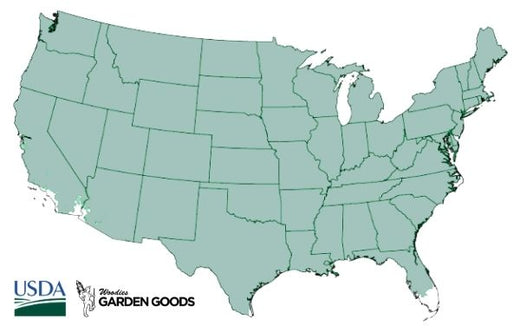
| Hardiness Zone: | 3-9 |
|---|---|
| Mature Height: | 24 to 26 Inches |
| Mature Width: | 18 to 20 Inches |
| Sunlight: | Full sun to partial sun; best flowering and stem strength with at least 6 hours of direct sunlight |
| Water Requirements: | Dry to average once established; water consistently during establishment and extended drought |
| Soil | Average-fertility, well-drained clay, loam, sandy or shallow rocky soil |
| Bloom Time / Color | Midsummer through late summer; densely double golden-yellow flowers |
| Wildlife Value | Attracts bees, butterflies and other pollinating insects; mature seeds may attract songbirds |
| Ornamental Features | Densely double zinnia-like flowers; clear golden-yellow color; rounded habit; extensive branching; sturdy upright stems |
| Resistance | Selected for powdery mildew resistance, strong stems, heat tolerance and drought tolerance; deer browsing may vary |
| Landscape Uses | Perennial borders; cottage gardens; prairie-inspired beds; pollinator gardens; cutting gardens; mass plantings; focal points; large containers |
How to Care for Rays for Days Heliopsis
Be sure to read our planting instructions to ensure a healthy and happy Rays for Days Heliopsis for years to come!
-v1785780854213.png?92x91)
How should I plant Rays for Days Heliopsis?
Choose a location with full sun, good drainage and enough room for the plant’s rounded mature habit. Dig a planting hole approximately twice as wide as the nursery container but no deeper than the root ball. Position the crown level with the surrounding soil. Backfill with loosened native soil, press gently around the roots and water thoroughly. Space multiple plants approximately 18 to 20 inches apart. Apply a light layer of mulch around the root zone while keeping it away from the crown and lower stems.

How often should I water Rays for Days Heliopsis after planting?
Water deeply immediately after planting and maintain moderate soil moisture during the first growing season. Check the soil regularly and water when the upper one or two inches begin to dry. Once established, Rays for Days tolerates occasional drought and dry soil. Continue to provide a deep soaking during extended hot or rainless periods, but avoid constantly saturated soil and frequent shallow sprinkling.
-v1785780855853.png?90x89)
When should I fertilize Rays for Days Heliopsis?
Apply a thin layer of compost around the plant in early spring as new shoots begin to emerge. Average garden soil generally supplies enough nutrition for healthy growth and flowering. When the soil is especially lean, use a light application of balanced slow-release fertilizer according to the label. Avoid heavy feeding because excess nitrogen can produce soft growth, reduce stem strength and increase the need for support.

When and how should I prune or cut back Rays for Days Heliopsis?
Deadhead faded flower heads during summer by cutting each stem back to a healthy leaf or developing side branch. This maintains the rounded appearance, encourages continued flowering and reduces volunteer seedlings. After frost has browned the plant, cut the stems back to approximately three or four inches above the ground. Several late seed heads can be left temporarily for birds and removed during late-winter cleanup before new growth begins.