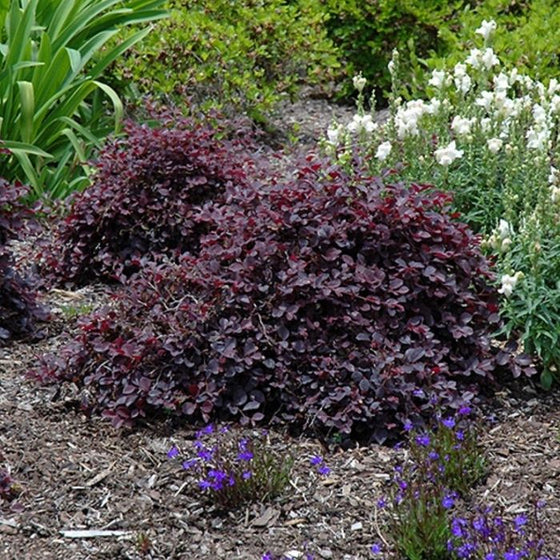


Images Depict Mature Plants
Purple Pixie® Loropetalum
Loropetalum chinense 'Peack' PP18441
Purple Pixie® is a really useful loropetalum when homeowners want strong purple color without a big upright shrub taking over the bed. The trailing habit makes it more versatile than most loropetalums, and it looks especially good spilling over walls, edging containers, or softening the front of a planting.

15% OFF SITEWIDE, USE CODE 'FALLPLANT15'
📦 Free shipping on orders over $99.
Delay shipping by leaving us a message at Checkout.
Share:


Cascading Purple Foliage and Pink Blooms in a Dwarf Evergreen Loropetalum
A loropetalum with a totally different habit
Purple Pixie® Loropetalum is an excellent choice for homeowners who love loropetalum color but want something lower, wider, and more graceful than the usual upright shrub form. Its trailing habit gives it a softer, flowing look that makes it especially useful in landscape spots where a mounded or cascading plant creates more visual interest than a taller shrub.
Rich purple foliage keeps the plant eye-catching all year round
One of the biggest reasons Purple Pixie® stands out is its evergreen foliage color. The leaves hold rich purple tones year-round, giving borders, containers, and foundation edges a strong color statement even when the plant is not in bloom. That year-round color makes it a very useful shrub for homeowners who want a lasting visual impact.
Bright pink flowers bring a strong spring show
In spring, Purple Pixie® Loropetalum produces vivid pink fringe-like flowers that pop beautifully against the darker foliage. The bloom show adds even more contrast and makes the plant especially attractive near walkways, patios, and entry beds where the flower color can be appreciated up close.
Excellent for containers, walls, borders, and slopes
Because of its dwarf size and weeping habit, Purple Pixie® works especially well spilling over retaining walls, softening border edges, brightening decorative pots, and covering sunny slopes with evergreen color. It is also a smart choice where homeowners want a plant that behaves almost like a flowering evergreen groundcover but still has the character of a shrub.
Compact, evergreen, and easier to manage than larger loropetalums
Purple Pixie® performs best in full sun to part shade and in moist, acidic, well-drained soil. Once established, it is easier to manage and offers good drought tolerance, but it still performs best when not left bone dry for long periods. Deer resistance is often associated with this variety, though it is best described as relative rather than absolute in areas with heavy browsing pressure.
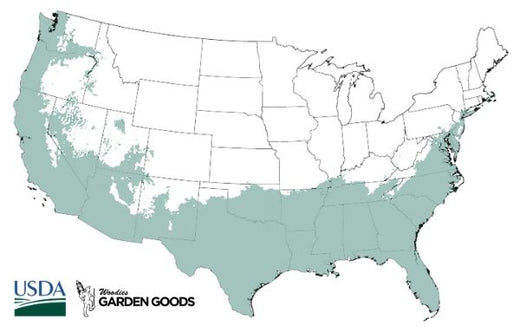
| Hardiness Zone: | 7-10 |
|---|---|
| Mature Height: | 1 to 2 feet |
| Mature Width: | 4 to 5 feet |
| Sunlight: | Full sun to part sun |
| Bloom Time / Color: | Spring; bright pink fringe flowers |
| Soil Condition: | Any well-drained soil (slightly acidic to neutral is ideal) |
| Water Requirements: | Moderate; water well until established |
| Wildlife Value: | Flowers can support pollinators in season |
| Resistance (deer/disease/drought/etc.): | Generally deer resistant; drought tolerance improves once established |
| Landscape Uses: | Groundcover, edging, slope cover, foundation beds, containers, spilling over walls, mass plantings |
How to Care for Purple Pixie® Loropetalum
Be sure to read our planting instructions to ensure a healthy and happy Purple Pixie® Loropetalum plant for years to come!
-v1773162234239.png?92x91)
How should I plant Purple Pixie® Loropetalum?
Plant Purple Pixie® Loropetalum in full sun to part shade in moist, acidic, well-drained soil. Dig a hole about twice as wide as the root ball and no deeper than the root ball itself, then place the plant so the top of the root ball sits level with or slightly above the surrounding soil. Backfill with native soil, water deeply, and add mulch around the base to help conserve moisture and reduce weed competition. If the site is heavy or slow to drain, improving drainage before planting will help the roots establish more successfully.
-v1773162257167.png?89x84)
How often should I water Purple Pixie® Loropetalum after planting?
Water Purple Pixie® Loropetalum deeply right after planting, then keep the soil evenly moist during the first growing season while the roots establish. In most landscapes, that means watering about once or twice per week, depending on rainfall, drainage, and summer heat. Once established, the shrub becomes more drought-tolerant, but it still performs best when the soil does not stay extremely dry for long stretches. Consistent moisture helps support healthier foliage and stronger flowering.
-v1773162275522.png?90x89)
When should I fertilize Purple Pixie® Loropetalum?
Fertilize Purple Pixie® Loropetalum lightly in spring using a balanced slow-release fertilizer for flowering shrubs or acid-loving plants. A moderate spring feeding can support good foliage color, healthy branching, and strong spring bloom without pushing weak growth. In many landscapes, heavy fertilizing is unnecessary. Good soil, mulch, and regular moisture usually do more for long-term performance than aggressive feeding.

When and how should I prune Purple Pixie® Loropetalum?
Prune Purple Pixie® Loropetalum after the main spring bloom if shaping is needed. That timing helps preserve the floral display while still giving the plant time to produce attractive new growth. Most homeowners only need light shaping or the removal of dead, damaged, or awkward stems. Because this variety naturally stays low and cascading, it usually looks best with minimal pruning rather than frequent cutting.