Images Depict Mature Plants
Purple Daydream® Loropetalum
Loropetalum chinense 'PIIL-III' PP25471
Purple Daydream® is one of my favorite “instant upgrade” shrubs because it stays the perfect size and still delivers big impact Deep purple evergreen foliage all year, then bright pink fringe flowers when the garden is craving spring color. Give it sun, give it drainage, and keep pruning light after bloom so the natural mound stays gorgeous.

15% OFF SITEWIDE, USE CODE 'FALLPLANT15'
📦 Free shipping on orders over $99.
Delay shipping by leaving us a message at Checkout.
Share:



Purple Daydream® Loropetalum For Dwarf Purple Color And Pink Spring Blooms
Purple evergreen foliage that keeps beds looking “designed” year-round
Purple Daydream® Loropetalum features rich, dark purple foliage that holds its color through the seasons, providing contrast even when nothing else is blooming. The habit stays low and mounded, which makes it perfect for the front of beds, along foundations, and as a “color anchor” that ties together perennials and shrubs behind it. In a landscape that’s heavy on green, this plant acts like a bold brushstroke, simple, modern, and instantly eye-catching.
That compact form is the real advantage. You get the look and drama of loropetalum without the oversized maintenance of older varieties. Use it as a repeating plant to create rhythm in a border, or mass it to form a broad, low band of purple that looks intentional from the street.
Bright pink fringe flowers that pop against dark leaves
In late winter to spring, Purple Daydream® produces vivid pink, ribbon-like (fringe) flowers that read as bright confetti against the purple foliage. The bloom display is especially striking in full sun to part sun, turning this shrub into a true seasonal highlight, perfect near an entry, walkway, or patio where you’ll actually notice the show.
Many landscapes need spring color low to the ground, not just up high in trees. This is exactly that: a compact, easy-to-place bloomer that adds punch at eye level. In some climates, you may see a lighter repeat bloom later, but the main event is the spring flush.
A compact performer for borders, slopes, and container “spiller” style
At maturity, Purple Daydream® stays in a practical size range for modern landscapes, spreading wider than it grows tall. That makes it a strong choice for slope coverage, bed edges, and places where you want a shrub to drape and fill space without blocking windows or sightlines. It also plays beautifully with grasses, conifers, and chartreuse companions that make the purple foliage look even richer.
It’s also a container favorite. In a pot, the foliage gives you year-round color, and the spring blooms feel like a bonus “seasonal upgrade.” Place containers where they get good light and protection from harsh reflected heat, and you’ll get a tidy, colorful evergreen that doesn’t outgrow its welcome.
Low-maintenance care with the right soil and a light-handed prune
Purple Daydream® is easy when you match it to the conditions it prefers: well-drained, slightly acidic soil and consistent moisture while it establishes. Once rooted in, it becomes more drought-tolerant, especially with mulch to buffer soil moisture. The biggest mistake is wet, poorly drained soil—good drainage keeps foliage color strong and roots healthy.
Pruning should be minimal and timed well. Because loropetalum sets flower buds on older wood, the safest approach is a light trim right after the main spring bloom if you need to refine the shape. Avoid hard shearing; this plant looks best when its natural low mound stays intact.
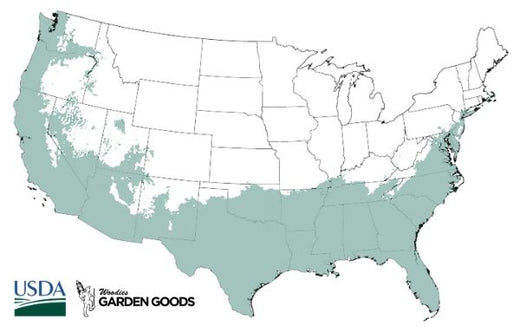
| Hardiness Zone: | 7-10 |
|---|---|
| Mature Height: | 2 to 3 feet |
| Mature Width: | 3 to 4 feet |
| Sunlight: | Full sun to part shade (best color and bloom with some direct sun) |
| Bloom Time / Color: | Late winter to spring; bright pink fringe flowers |
| Soil Condition: | Moist but well-drained; slightly acidic is ideal |
| Water Requirements: | Moderate; drought tolerant once established |
| Wildlife Value: | Flowers can support pollinators in season |
| Resistance (deer/disease/drought/etc.): | Deer resistant; heat tolerant; drought tolerance improves once established |
| Landscape Uses: | Borders, foundations, low hedges, slopes, mass plantings, containers |
How to Care for Purple Daydream® Loropetalum
Be sure to read our planting instructions to ensure a healthy and happy Purple Daydream® Loropetalum plant for years to come!
-v1773243160096.png?92x91)
How should I plant Purple Daydream® Loropetalum?
Plant Purple Daydream® Loropetalum in full sun to part shade in well-drained soil. Dig a hole 2–3 times wider than the root ball, set the shrub so the top of the root ball is level with (or slightly above) the surrounding soil, then backfill and water deeply to settle the roots. Add a 2–3-inch mulch ring around the root zone, keeping the mulch a few inches away from the stems. Choose a spot with good drainage; loropetalum dislikes staying wet. If your soil is heavy, improve drainage with organic matter and consider planting slightly high. For the richest purple foliage and strongest flowering, give it at least half a day of sun.
-v1773243204402.png?89x84)
How often should I water Purple Daydream® Loropetalum after planting?
Water deeply right after planting, then keep the root zone evenly moist for the first growing season. A deep soak once per week is a solid baseline, increasing to 1–2 times per week during hot, dry stretches or in sandy soil. Water at the base so moisture reaches roots efficiently and foliage stays cleaner. Once established, Purple Daydream® is more tolerant of short dry spells, but it still looks best with occasional deep watering during extended drought. Mulch helps reduce moisture swings, which supports denser growth and stronger foliage color.
-v1773243225915.png?90x89)
When should I fertilize Purple Daydream® Loropetalum?
Fertilize in early spring as new growth begins using a balanced slow-release shrub fertilizer. If your soil runs alkaline, adding compost and using an acid-friendly fertilizer can help keep foliage color healthier and prevent stress-related yellowing. Avoid heavy late-season fertilizing, which can push tender growth at the wrong time. In most landscapes, a light spring feeding plus mulch and good drainage is the simplest path to a full, colorful plant.

When and how should I prune Purple Daydream® Loropetalum?
Prune Purple Daydream® Loropetalum right after the main spring bloom if you need to shape it. Keep pruning light—trim stray shoots, refine the outline, and preserve the natural low, mounded form rather than shearing it into a tight ball. Avoid heavy pruning in late winter or early spring, because that can remove flower buds and reduce bloom. If you want a denser plant, a gentle post-bloom trim encourages branching and keeps the shrub compact and full.