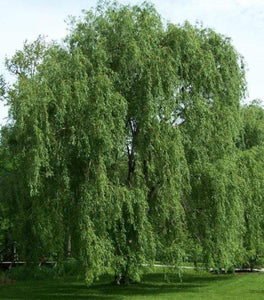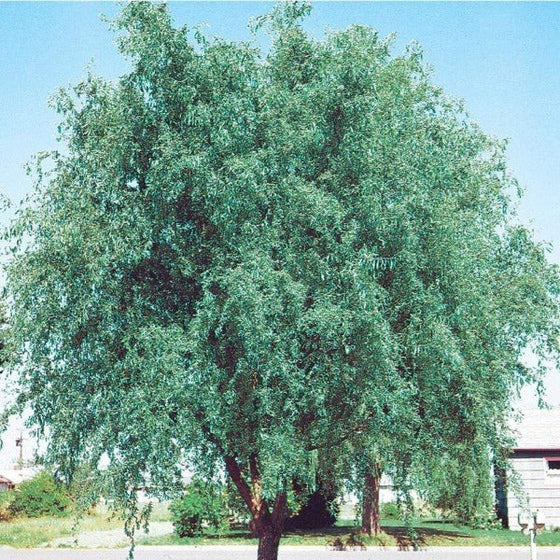

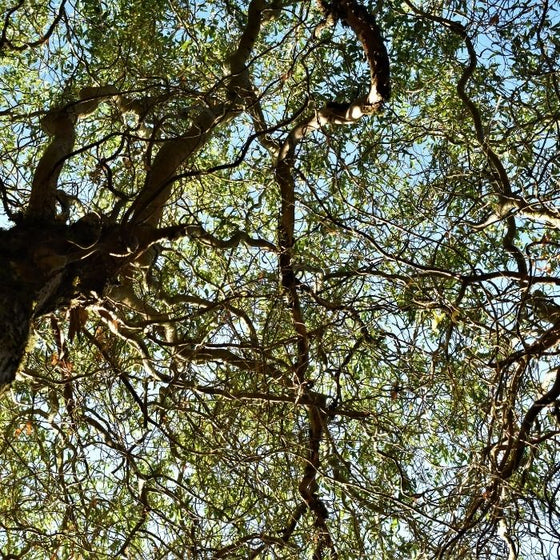
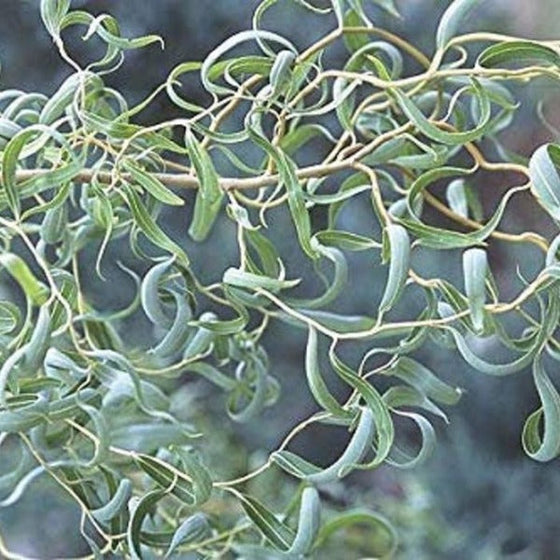


Images Depict Mature Plants
Corkscrew Willow Tree
Salix matsudana ‘Tortuosa’
Corkscrew Willow is a tree I would recommend only when the site is right. The twisted branches are fantastic, especially in winter, and the stems are great for cutting and arrangements. But this is still a willow: fast-growing, thirsty, short-lived, weak-wooded, and not something to plant beside pipes, patios, foundations, or septic systems. Give it a sunny, moist, open spot near a pond, rain garden, or large lawn, and it can be a fun specimen tree with a lot of personality.

15% OFF SITEWIDE SALE
Use Code 'PRIMETIME15' At Checkout
📦 Free shipping on orders over $99.
Delay shipping by leaving us a message at Checkout.
Share:


Corkscrew Willow Tree Adds Twisted Branches, Fast Growth, and Winter Interest
Twisted Branches That Stand Out in Every Season
Corkscrew Willow Tree is a fast-growing ornamental willow known for its twisted, contorted branches and curly stems. The unusual branching pattern gives this tree a sculptural look, especially visible in winter after the leaves drop. In the growing season, narrow green leaves add soft texture and movement, while the twisted stems continue to give the tree its signature personality.
This is a great tree for homeowners who want something different from a standard shade tree. Corkscrew Willow works best as a specimen tree in a large lawn, near a pond, along a moist edge, or in a rain garden setting where the roots have room and the branching structure can be enjoyed from a distance.
Curly Willow Branches for Cutting and Decorating
One of the biggest reasons gardeners grow Corkscrew Willow is for the branches. The young stems twist and curl naturally, making them useful for fresh arrangements, dried arrangements, seasonal decorations, wreaths, and winter containers. Pruning can encourage new vigorous growth, which often produces some of the best curly stems.
The contorted branch structure also gives the tree winter value when many deciduous trees look plain. After leaf drop, the twisting branches become the main feature, creating an architectural silhouette that looks especially attractive against snow, open sky, dark evergreens, or a pond edge.
Fast Growth With a Shorter Lifespan
Corkscrew Willow grows quickly and can develop into a medium-sized deciduous tree in a relatively short period of time. It commonly reaches about 25 to 30 feet tall and about 15 to 25 feet wide in home landscapes, depending on soil, moisture, pruning, and regional conditions.
Because it grows fast, it can also be relatively short-lived compared with many hardwood shade trees. The wood can be weak, and branches may be damaged by storms, snow, or ice. This does not make it a bad tree, but it does mean Corkscrew Willow should be planted where natural limb drop, pruning needs, and long-term maintenance are acceptable.
Best for Sunny, Moist Sites With Room to Grow
Corkscrew Willow performs best in full sun and moist soil. It can tolerate wet or occasionally wet sites and is well-suited to pondsides, riparian edges, rain gardens, and open areas where many trees might struggle with moisture. While it may handle short drier periods better than some willows once established, it should not be treated as a dry-site tree.
Good siting matters. Willows are known for vigorous, water-seeking roots, so Corkscrew Willow should be planted well away from septic systems, sewer lines, wells, drain fields, foundations, sidewalks, patios, and underground utilities. Give it open soil, space, and access to moisture, and it will reward you with fast growth and strong ornamental character.
A Unique Specimen Tree With Important Placement Cautions
Corkscrew Willow is best used as a statement tree, not as a tight foundation plant or small patio tree. Its roots, fast growth, weak wood, and mature size make it better suited to larger landscapes than confined residential spaces. Plant it where it can be appreciated without creating future conflicts with structures or hardscape.
If you have the right site, Corkscrew Willow can be a memorable tree with year-round interest. It brings shade, movement, winter form, cut-branch value, and a look that few other trees can match. The key is honest placement: sun, moisture, room, and distance from anything that could damage the roots or branches.
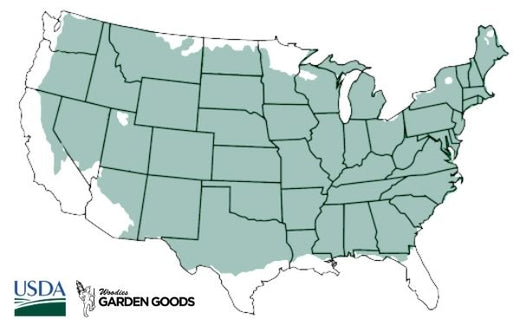
| Hardiness Zone: | 4-8 |
|---|---|
| Mature Height: | 25 to 30 feet |
| Mature Width: | 15 to 25 feet |
| Sunlight: | Full sun |
| Soil | Moist, average, well-drained to occasionally wet soil |
| Water | Water regularly until established; prefers consistent moisture |
| Bloom Time / Color | Spring catkins; not grown for showy flowers |
| Foliage | Narrow green leaves; may show yellow to golden fall color |
| Ornamental Features | Any well drained soil |
| Water Requirements: | Corkscrew branches, curly stems, winter silhouette, fast growth, cut-branch value, pondside specimen appeal |
| Wildlife Value | Willows can support pollinators and wildlife, though this cultivar is mainly grown for ornamental branching |
| Resistance | Deer resistance is reported in some references; pest and disease issues can occur |
| Landscape Uses | Specimen tree, large lawns, pondsides, rain gardens, riparian edges, winter gardens, floral cutting gardens |
How to Care for Corkscrew Willow Tree
aBe sure to read our planting instructions to ensure a healthy and happy Corkscrew Willow Tree for years to come!
-v1784573168781.png?92x91)
How should I plant Corkscrew Willow Tree?
Plant Corkscrew Willow Tree in full sun with moist, well-drained to occasionally wet soil. Choose an open location with plenty of room for the canopy and roots to spread. Avoid planting near septic systems, sewer lines, wells, drain fields, foundations, patios, sidewalks, driveways, or underground utilities. Dig a hole two to three times wider than the root ball and about the same depth as the container. Set the root flare at or slightly above soil level, backfill with native soil, water deeply, and apply mulch over the root zone while keeping mulch away from the trunk. Choose the site carefully before planting because this is not a tree you want to move later.
-v1784573193379.png?89x84)
How often should I water Corkscrew Willow Tree after planting?
Water Corkscrew Willow Tree deeply after planting and keep the soil evenly moist during the first growing season. Willows establish best with consistent moisture, especially during heat, drought, or windy weather. Water slowly at the base so moisture reaches the root zone. Once established, Corkscrew Willow can tolerate moist to wet soils and may handle short dry periods, but it performs best where soil moisture is steady. If leaves wilt, scorch, or drop during dry weather, increase deep watering. Avoid treating this as a dry-site ornamental tree.
-v1784573209870.png?90x89)
When should I fertilize Corkscrew Willow Tree?
Fertilize Corkscrew Willow Tree lightly in early spring if growth is weak or soil fertility is poor. Use a balanced slow-release tree and shrub fertilizer or topdress with compost around the root zone. In moist, fertile soil, Corkscrew Willow often grows quickly without heavy feeding. Avoid overfertilizing, especially late in the season, because fast soft growth can be more vulnerable to winter injury and storm breakage. Site selection, watering, pruning, and structural maintenance are more important than frequent fertilizer applications.

When and how should I prune / cut back Corkscrew Willow Tree?
Prune Corkscrew Willow Tree in late winter or early spring while the tree is dormant. Remove dead, damaged, weak, crossing, or storm-broken branches first. Light structural pruning can help manage shape and reduce crowded branching. Corkscrew Willow tolerates hard pruning and can be pollarded if you want to encourage vigorous young curly stems for cutting. Pollarding should be done intentionally and consistently, not as a random topping cut. For natural specimen trees, prune selectively to preserve the twisted branching structure while improving airflow and safety.