Images Depict Mature Plants
Princeton Sentry Ginkgo Tree
Ginkgo biloba 'Princeton Sentry'
Princeton Sentry Ginkgo is a great choice when you love the look of ginkgo but do not have room for a broad canopy. The narrow form makes it useful along driveways, streets, and smaller front yards, and its male-fruitless habit is a major advantage near hardscapes. It is slow to moderate-growing, but it is one of those trees you plant for long-term structure, durability, and unbeatable golden fall color.

20% Off Sitewide Sale!
Use Code 'ENDOFSEASON20' At Checkout
📦 Free shipping on orders over $99.
Delay shipping by leaving us a message at Checkout.
Share:


A Narrow Male Ginkgo Tree with Golden Fall Color
A Columnar Ginkgo for Tight Landscape Spaces
Princeton Sentry Ginkgo Tree is a narrow, upright ginkgo cultivar grown for its columnar form, fan-shaped leaves, and brilliant golden yellow fall color. It delivers the distinctive beauty and toughness of Ginkgo biloba in a more space-saving shape than broader ginkgo selections.
This cultivar is especially useful where homeowners want a long-lived ornamental shade tree but do not have room for a wide canopy. Use it along driveways, streets, property lines, front yards, narrow lawns, formal landscapes, and urban planting areas where vertical structure and clean seasonal color are needed.
Male, Fruitless Habit for Cleaner Landscapes
Princeton Sentry is a male ginkgo cultivar, which means it is grown to avoid the messy, foul-smelling fruit produced by female ginkgo trees. This is one of its biggest advantages for residential and urban landscapes, especially near sidewalks, patios, driveways, and street plantings.
The tree still provides all the ornamental features people love about ginkgo: unique fan-shaped leaves, strong structure, long life, and rich golden fall color. For homeowners who want a ginkgo without fruit cleanup, Princeton Sentry is one of the most practical cultivar choices.
Golden Yellow Fall Color and Distinctive Fan-Shaped Leaves
During the growing season, Princeton Sentry Ginkgo has clean, green, fan-shaped leaves with a unique texture unlike most common shade trees. The foliage gives the tree a refined, almost prehistoric look that works well in both traditional and modern landscapes.
In the fall, the leaves turn a uniform golden yellow and can remain attractive for several weeks before dropping. When the foliage falls, ginkgo leaves often drop quickly, creating a bright golden carpet beneath the tree. This seasonal display is one of the strongest reasons to plant Princeton Sentry.
Urban Tolerant, Low Maintenance, and Long Lived
Princeton Sentry Ginkgo is highly valued for its toughness. Ginkgo trees tolerate urban conditions, air pollution, compacted soils, road salt exposure, and many common pest and disease problems better than many landscape trees. Once established, they are also drought-tolerant.
This tree grows at a slow to moderate rate, but its durability and long life make it a worthwhile long-term investment. It is a strong choice for homeowners who want a low-maintenance tree that can handle developed landscapes while still delivering standout fall color.
Easy Care with Sun, Drainage, and Early Watering
Plant Princeton Sentry Ginkgo in full sun to part shade with well-drained soil. Full sun supports the best growth and strongest fall color. The tree adapts to a wide range of soil types, including urban soils, as long as drainage is adequate.
Water regularly after planting until the root system establishes. Once established, Princeton Sentry usually needs little supplemental water except during extended drought. Young trees may benefit from light structural pruning to maintain a strong central leader and clean upright form, but mature trees generally require minimal pruning.
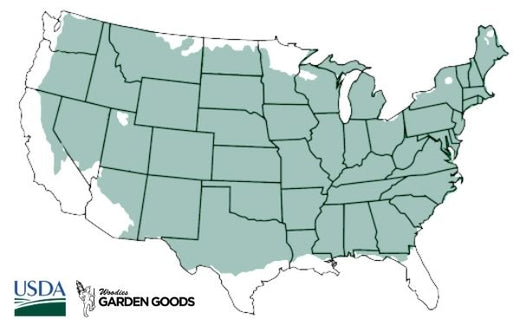
| Hardiness Zone: | 4-8 |
|---|---|
| Mature Height: | 40 to 50 feet |
| Mature Width: | 15 to 20 feet |
| Sunlight: | Full sun to part shade; best fall color in full sun |
| Soil | Average, well-drained soil; adaptable to urban, compacted, clay, sandy, acidic, or alkaline soils |
| Water | Water regularly after planting; drought tolerant once established |
| Bloom Time / Color | Spring; insignificant flowers on male trees |
| Ornamental Features | Narrow columnar habit, golden fall color, fan-shaped leaves, strong central structure, urban toughness |
| Wildlife Value | Provides shade and canopy structure; not primarily grown for flowers or fruit |
| Resistance (deer/disease/drought/etc.) | Drought tolerant once established; pollution tolerant; salt tolerant; pest resistant; disease resistant; deer browsing is uncommon |
| Landscape Uses | Narrow shade tree, street tree, driveway tree, front yard tree, urban landscape tree, formal planting, vertical accent, small-yard tree, property-line planting |
How to Care for Princeton Sentry Ginkgo Tree
Be sure to read our planting instructions to ensure a healthy and happy Princeton Sentry Ginkgo Tree for years to come!

How should I plant Princeton Sentry Ginkgo Tree?
Plant Princeton Sentry Ginkgo Tree in full sun to part shade with well-drained soil. Choose a location with room for the tree’s mature height and narrow canopy spread. It is a good option for tighter spaces than broad shade trees, but it should still be planted away from overhead wires and too close to buildings. Dig a hole about twice as wide as the root ball and just as deep. Set the root flare slightly above the surrounding soil line, backfill with native soil, and water thoroughly. Apply mulch around the root zone, keeping mulch several inches away from the trunk.
-v1781717156462.png?89x84)
How often should I water Princeton Sentry Ginkgo Tree after planting?
Water Princeton Sentry Ginkgo deeply after planting, then keep the root zone evenly moist while the tree establishes. During the first growing season, water when the top few inches of soil begin to dry, especially during heat, drought, or windy weather. Once established, Princeton Sentry Ginkgo is drought-tolerant and usually needs little supplemental water in average landscapes. Deep watering during extended drought can help protect foliage quality and support steady growth.

When should I fertilize Princeton Sentry Ginkgo Tree?
Fertilize Princeton Sentry Ginkgo in early spring only if growth is weak or soil fertility is low. A balanced slow-release tree fertilizer or compost topdressing can support growth in poor soils. Avoid heavy fertilizing, especially with high-nitrogen fertilizer. Ginkgo trees are naturally durable and do not need aggressive feeding. Proper watering during establishment and good planting depth are more important than frequent fertilizer.

When and how should I prune Princeton Sentry Ginkgo Tree?
Prune Princeton Sentry Ginkgo in late winter or early spring while the tree is dormant. Young trees may need light structural pruning to maintain a strong central leader and remove crossing, damaged, or poorly spaced branches. Avoid heavy unnecessary pruning. The cultivar naturally develops a narrow upright habit, so pruning should focus on structure, clearance, and removing problem branches rather than forcing a shape.