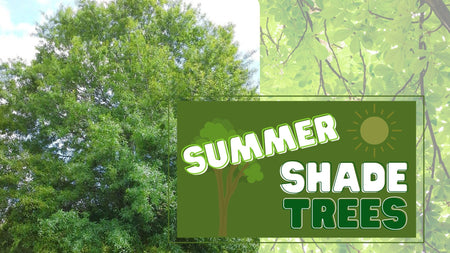
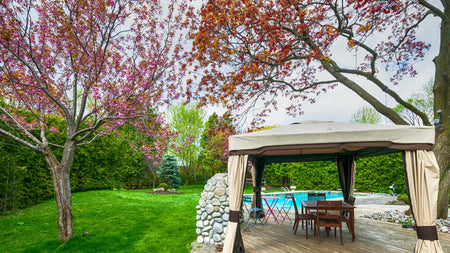
Images Depict Mature Plants
Spring Grove Dwarf Ginkgo Tree
Ginkgo biloba 'Spring Grove'
Spring Grove is one of those ginkgos that makes sense for people who love the tree but do not have room for the full-size version. The dwarf habit, clean male form, and golden fall color make it a great little specimen for patios, courtyards, containers, or a small front entry bed. I would plant it where you can see the leaves up close, because the texture is part of the charm. It will not be the fastest tree in the garden, but that slow, compact growth is exactly what makes it useful.

15% OFF SITEWIDE SALE
Use Code 'PRIMETIME15' At Checkout
📦 Free shipping on orders over $99.
Delay shipping by leaving us a message at Checkout.
Share:


Spring Grove Dwarf Ginkgo Tree Brings Classic Ginkgo Beauty to Small Spaces
A True Dwarf Ginkgo for Patios, Courtyards, and Small Gardens
Spring Grove Dwarf Ginkgo Tree is a compact, slow-growing ginkgo selected for small-space landscapes. It gives homeowners the unforgettable look of ginkgo—fan-shaped leaves, strong structure, and brilliant golden fall color—without the broad mature canopy of a full-size shade tree.
This makes Spring Grove a strong choice for patios, courtyards, small front yards, foundation accents, rock gardens, raised beds, and large containers. It has the character of a specimen tree but the scale of a refined garden accent, making it especially useful where ordinary shade trees would be too large.
Dense Upright Form With Distinctive Fan-Shaped Leaves
Spring Grove has an upright, compact, pyramidal to broadly upright habit with dense branching. The foliage grows closely along the stems, creating a full, textured look even on a small tree. The leaves are bright green to chartreuse through the growing season and may appear slightly cupped or clustered, giving the plant a unique look up close.
The classic fan-shaped ginkgo leaves are among the most prominent ornamental features. They bring a clean, architectural texture to the landscape and pair beautifully with evergreens, boxwood, dwarf conifers, Japanese maples, ornamental grasses, groundcovers, and low perennials.
Brilliant Golden Fall Color Without the Big-Tree Footprint
Like larger ginkgo trees, Spring Grove turns a brilliant golden yellow in fall. The fall display is especially striking because the tree is small enough to appreciate up close near a patio, seating area, walkway, or entry garden.
Ginkgo leaves often turn a beautiful golden color and then drop within a short window, creating a golden carpet beneath the tree. On a dwarf selection like Spring Grove, that seasonal moment is easier to enjoy and easier to clean up than it would be under a full-size ginkgo.
Fruitless Male Selection for Cleaner Landscape Performance
Spring Grove Ginkgo is a fruitless male selection, meaning it does not produce the messy, foul-smelling seeds associated with female ginkgo trees. That clean performance is one of the main reasons this cultivar works so well near patios, walkways, outdoor seating areas, and small garden spaces.
This is an important advantage for homeowners who love ginkgo but do not want the maintenance problems of female trees. With Spring Grove, you get the foliage, fall color, durability, and ancient-tree character without the unpleasant fruit drop.
Slow Growing, Durable, and Low Maintenance
Spring Grove Ginkgo is slow-growing and easy to care for once established. It performs best in full sun with well-drained soil and benefits from regular watering during the establishment period. After it settles in, ginkgo is known for toughness, urban tolerance, deer resistance, and long-term durability.
Because Spring Grove is naturally compact, it needs very little pruning. Remove only dead, damaged, crossing, or reverted branches as needed. Plant it where its small size, dense form, and golden fall color can be appreciated for years, and it becomes a memorable focal point with very little fuss.
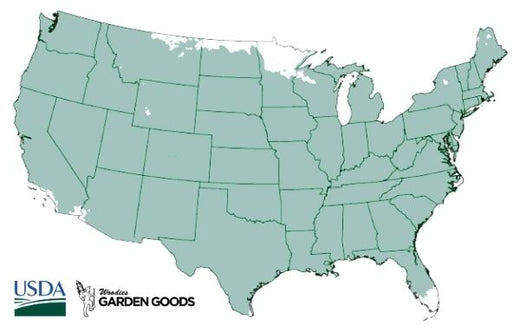
| Hardiness Zone: | 4-9 |
|---|---|
| Mature Height: | 6 to 8 feet |
| Mature Width: | 4 to 5 Feet |
| Sunlight: | Full sun to mostly sun |
| Soil | Adaptable to clay, loam, sand, silt, acidic, neutral, or alkaline soil when drainage is good |
| Water | Water regularly during establishment; average to lower water needs once established |
| Bloom Time / Color | Spring; inconspicuous reproductive structures, not grown for bloom |
| Foliage | Bright green to chartreuse fan-shaped leaves; may appear slightly cupped or clustered along branches, Brilliant golden yellow in fall |
| Ornamental Features | Dwarf size, dense upright form, fan-shaped leaves, golden fall color, fruitless male habit, patio and container value |
| Wildlife Value | Provides long-term structure and small-tree canopy value; not grown for flowers or wildlife fruit |
| Resistance (deer/disease/drought/etc.) | Deer resistant; disease resistant; insect resistant; tolerant of heat, pollution, humidity, and urban conditions once established |
| Landscape Uses | Patios, courtyards, small gardens, containers, rock gardens, foundation accents, specimen plantings, entry gardens, dwarf tree collections |
How to Care for Spring Grove Dwarf Ginkgo Tree
Be sure to read our planting instructions to ensure a healthy and happy Spring Grove Dwarf Ginkgo Tree for years to come!

How should I plant Spring Grove Dwarf Ginkgo Tree?
Plant Spring Grove Dwarf Ginkgo Tree in full sun to mostly sun with well-drained soil. Choose a spot where its compact form can be appreciated up close, such as near a patio, courtyard, entry bed, rock garden, or small front-yard planting. Avoid low, wet sites where water sits around the roots. Dig a hole two to three times wider than the root ball and about the same depth as the container. Set the root flare at or slightly above the surrounding soil level, backfill with native soil, water deeply, and mulch with 2 to 3 inches of mulch while keeping mulch away from the trunk.
-v1784814583231.png?89x84)
How often should I water Spring Grove Dwarf Ginkgo Tree after planting?
Water the Spring Grove Dwarf Ginkgo Tree deeply after planting and keep the root zone evenly moist during the first growing season. Young ginkgo trees establish best with consistent moisture, especially during hot, dry, or windy weather. Once established, Spring Grove becomes more drought-tolerant and usually needs less supplemental water. Container-grown trees may need more frequent watering than in-ground trees because pots dry out faster, especially in summer.

When should I fertilize Spring Grove Dwarf Ginkgo Tree?
Fertilize Spring Grove Dwarf Ginkgo Tree in early spring only if growth is weak or the soil is poor. Use a balanced slow-release tree and shrub fertilizer or a light compost topdressing around the root zone. In average soil, ginkgo often grows well without heavy feeding. Avoid overfertilizing because this is naturally a slow-growing dwarf tree. The goal is steady, healthy growth—not forcing it to grow quickly. Full sun, drainage, mulch, and proper watering are more important than frequent feeding.

When and how should I prune / cut back Spring Grove Dwarf Ginkgo Tree?
Spring Grove Dwarf Ginkgo needs very little pruning. Prune in late winter or early spring if needed to remove dead, damaged, crossing, or poorly placed branches. Keep pruning light so the tree maintains its natural compact form. Watch for any unusually vigorous shoots that grow much faster than the rest of the plant. These may be reversions and should be removed to preserve the dwarf habit. Avoid topping or heavy shaping, especially on young trees.