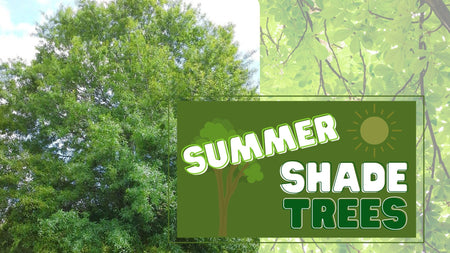
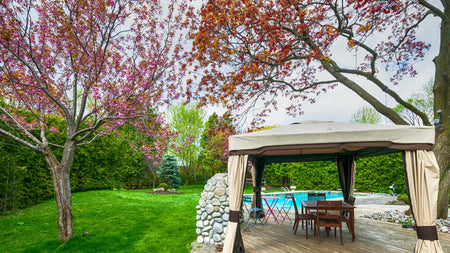
Images Depict Mature Plants
Brooks Road Ginkgo Tree
Ginkgo biloba 'Brooks Road'
Brooks Road is the ginkgo I would look at when the customer wants that golden ginkgo fall color but does not have room for a broad shade tree. The narrow, dense columnar form gives it real design value for driveways, entries, tighter front yards, and urban spaces. Give it full sun, drainage, and patience; ginkgo is not always fast, but it is one of the most durable and memorable trees you can plant.

20% Off Sitewide Sale!
Use Code 'ENDOFSEASON20' At Checkout
📦 Free shipping on orders over $99.
Delay shipping by leaving us a message at Checkout.
Share:


Brooks Road Ginkgo Tree Brings Golden Fall Color in a Narrow Columnar Form
A Narrow Ginkgo for Tight Landscape Spaces
Brooks Road Ginkgo Tree is a distinctive columnar ginkgo selected for its tight, upright, densely branched habit. While many ginkgo trees eventually become broad shade trees, Brooks Road is valued for its much narrower form, making it useful for homeowners who want vertical structure without giving up too much horizontal space.
This is the ginkgo to consider for narrow lawns, driveway edges, urban planting strips, formal entries, tight front-yard spaces, and places where a wide canopy would be too large. It gives you the timeless character of ginkgo in a more space-conscious shape.
Fan-Shaped Leaves With Classic Ginkgo Texture
Like other ginkgo trees, Brooks Road has unmistakable fan-shaped leaves with a refined, almost prehistoric look. The foliage is fresh green through the growing season and brings a lighter texture than many common shade trees. Even before fall color arrives, the leaf shape alone makes this tree feel different and memorable.
Ginkgo foliage casts a relatively light shade compared with denser-canopied trees, making Brooks Road easier to work into designed landscapes. Use it where the vertical form and leaf texture can be appreciated up close, such as near a walkway, courtyard, patio edge, or front entry.
Brilliant Golden Yellow Fall Color
The autumn display is one of the biggest reasons to plant a ginkgo. Brooks Road Ginkgo turns golden yellow in fall, creating a bright vertical accent at the end of the season. The leaves often hold color briefly before dropping in a short window, creating the familiar golden carpet effect beneath the tree.
That quick leaf drop is part of ginkgo’s seasonal personality. It makes fall cleanup more concentrated, and it creates a striking moment in the garden. For the best fall color, plant Brooks Road in full sun, in healthy, well-drained soil, and provide steady moisture during establishment.
Durable, Long-Lived, and Urban Tolerant
Ginkgo is one of the toughest ornamental shade trees for urban and suburban landscapes. Once established, it tolerates heat, drought, air pollution, moderate salt exposure, compacted city conditions, and a range of soil types better than many other deciduous trees. Brooks Road carries that durable ginkgo character in a narrow, architectural form.
This makes it useful for street-tree style plantings, driveways, parking-area edges, city yards, and high-visibility residential landscapes. It is also a long-lived tree, so plant it where it can become a permanent part of the property rather than a temporary filler.
Important Fruit and Placement Expectations
Ginkgo trees are dioecious, meaning individual trees are male or female. Female ginkgo trees can produce fleshy seeds that are messy and foul-smelling when they fall. Many well-known ginkgo cultivars are confirmed male selections, but published references on Brooks Road focus primarily on their narrow form and do not consistently confirm their male or fruitless status.
If fruitless performance is a deciding factor, confirm that your specific Brooks Road Ginkgo is a grower-confirmed male before planting near patios, sidewalks, driveways, or entry walks. With the right plant and site, Brooks Road offers a rare combination of narrow form, legendary toughness, distinctive foliage, and golden fall color.
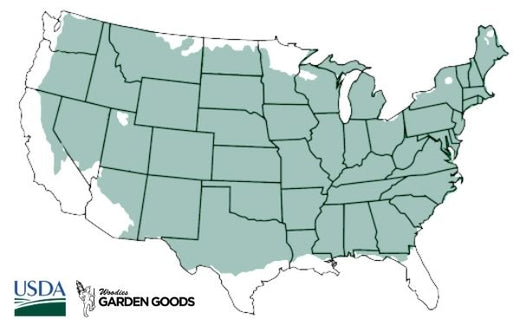
| Hardiness Zone: | 4-8 |
|---|---|
| Mature Height: | 30 to 40 Feet |
| Mature Width: | 5 to 10 Feet |
| Sunlight: | Full sun is best |
| Soil | Adaptable to many soil textures and pH levels when drainage is good |
| Water | Water regularly during establishment; drought tolerant once established |
| Bloom Time / Color | Spring; inconspicuous flowers, not grown for bloom |
| Foliage | Distinctive green fan-shaped leaves that turn golden yellow in fall |
| Ornamental Features | Tight columnar habit, narrow footprint, fan-shaped leaves, golden yellow fall color, durable urban performance |
| Wildlife Value | Provides canopy cover and long-term landscape habitat value |
| Resistance (deer/disease/drought/etc.) | Tolerant of urban conditions, drought, heat, air pollution, deer, and moderate salt once established |
| Landscape Uses | Narrow yards, street-tree style plantings, driveways, entries, front yards, urban landscapes, specimen plantings, vertical accents |
How to Care for Brooks Road Ginkgo Tree
Be sure to read our planting instructions to ensure a healthy, happy Brooks Road Ginkgo Tree for years to come!

How should I plant Brooks Road Ginkgo Tree?
Plant Brooks Road Ginkgo Tree in full sun with well-drained soil. Ginkgo adapts to many soil textures and pH levels, but it does not perform well in consistently wet, poorly drained ground. Choose a location with enough overhead room for mature height and enough root space for long-term growth. Dig a hole two to three times wider than the root ball and about the same depth as the container. Set the root flare at or slightly above soil level, backfill with native soil, water deeply, and mulch the root zone with 2 to 3 inches of mulch while keeping mulch away from the trunk.
-v1784812162471.png?89x84)
How often should I water Brooks Road Ginkgo Tree after planting?
Water Brooks Road Ginkgo Tree deeply after planting and keep the root zone evenly moist during the first growing season. Young ginkgo trees establish best with consistent moisture, especially during hot, dry, or windy weather. Once established, ginkgo becomes drought-tolerant and highly adaptable. During extended dry periods, occasional deep watering will help maintain stronger foliage and better fall color. Avoid frequent shallow watering and keep the soil from becoming soggy.

When should I fertilize Brooks Road Ginkgo Tree?
Fertilize Brooks Road Ginkgo Tree in early spring only if growth is weak or the soil is poor. Use a balanced slow-release tree and shrub fertilizer or topdress lightly with compost around the root zone. In average garden soil, ginkgo often needs little supplemental fertilizer. Avoid overfertilizing, especially with high-nitrogen products that push soft growth. Good siting, full sun, drainage, mulch, and establishment watering are more important than frequent feeding.

When and how should I prune / cut back Brooks Road Ginkgo Tree?
Prune the Brooks Road Ginkgo Tree in late winter or early spring while the tree is dormant. Focus on removing dead, damaged, crossing, weak, or poorly placed branches. Because Brooks Road is valued for its narrow columnar habit, pruning should preserve the upright form rather than force a wider canopy. Young trees may benefit from light structural pruning to encourage a strong central leader and balanced branching. Avoid topping or heavy unnecessary cuts. Over time, only occasional corrective pruning should be needed.