

Images Depict Mature Plants
Patriot Blueberry Bushes
Vaccinium corymbosum ‘Patriot’
Patriot is a smart blueberry for homeowners who want big berries and a shrub that can handle cold winters. The fruit is the reason people buy it, but the spring flowers and red fall color make it more than just a backyard crop. I like Patriot planted with another blueberry variety nearby so the harvest is heavier and the berries size up better. The one thing I would stress is soil: get the pH right, mulch well, and keep the shallow roots evenly moist.

20% OFF SITEWIDE SALE
Use Code 'OCTOBER20' At Checkout
📦 Free shipping on orders over $99.
Delay shipping by leaving us a message at Checkout.
Share:


Patriot Blueberry Bushes Bring Big Berries, Cold Hardiness, and Edible Landscape Beauty
Large Early-Season Blueberries for Fresh Eating and Baking
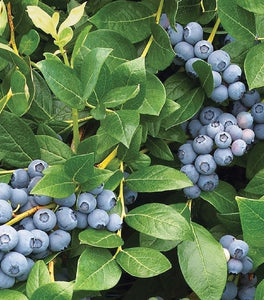
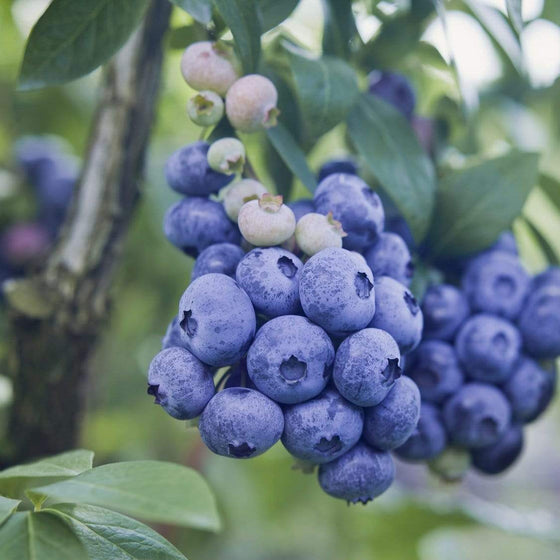
Patriot Blueberry Bushes are cold-hardy highbush blueberries, producing large, flavorful blue fruit that ripens early in the summer. The berries are excellent for fresh eating, muffins, pancakes, smoothies, pies, jams, and backyard harvesting right from the shrub. For homeowners who want a productive blueberry that also looks good in the landscape, Patriot is a strong choice.
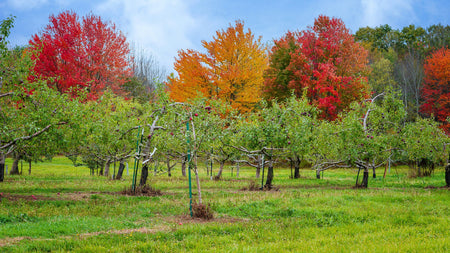
This variety is especially popular because it combines fruit production with ornamental value. In spring, white bell-shaped flowers decorate the branches before fruit begins to form. In summer, the berries ripen to blue with a classic blueberry bloom. In fall, the foliage shifts to red, purple, orange, and burgundy tones, giving Patriot a place in both edible gardens and ornamental shrub borders.
Cold-Hardy Highbush Blueberry With Home Garden Reliability
Patriot Blueberry is a northern highbush blueberry cultivar known for cold hardiness and dependable performance in cooler climates. It is commonly grown in Zones 3 to 7 and is especially useful for northern gardeners who want a productive berry shrub that can handle cold winters better than many fruiting plants.
The shrub typically matures to 4 to 6 feet tall, with a broad, rounded habit that can be used as a fruiting hedge, an edible foundation plant, a backyard berry patch, or a mixed border shrub. Patriot is not just a food crop; it is a landscape shrub with flowers, fruit, foliage color, and multi-season appeal.
Self-Pollinating, But Better With a Partner
Patriot Blueberry is self-pollinating, which means a single plant can produce fruit. However, planting more than one blueberry variety that blooms at the same time can increase berry size and improve total yield. For the best harvest, pair Patriot with another compatible highbush blueberry such as Duke, Bluecrop, Jersey, or another early-to-midseason variety.
Even when planting just one Patriot Blueberry Bush, you can still enjoy flowers, foliage color, and some fruit. For customers who want bowls of berries instead of a small seasonal snack, plant at least two blueberry bushes. Cross-pollination is one of the simplest ways to improve the backyard harvest.
Acidic Soil Is the Key to Blueberry Success
Blueberries need acidic soil to grow well. Patriot Blueberry performs best in organic-rich, moist, well-drained soil with a low pH. If the soil is too alkaline, blueberry plants may develop yellowing foliage, weak growth, and poor fruiting. A soil test before planting is the best way to know whether the planting area needs sulfur or other acidifying amendments.
Mulch is very important because blueberries have shallow, fibrous roots. Pine bark, pine needles, aged wood chips, or shredded leaves help keep the root zone cool, moist, and more evenly protected. Avoid planting blueberries in dry, compacted, alkaline soil. Patriot can tolerate heavier, moisture-retentive soils better than wide varieties, but good drainage is still important.
A Beautiful Edible Shrub for Gardens, Hedges, and Containers
Patriot Blueberry Bushes work well in edible landscapes, fruit gardens, pollinator gardens, mixed shrub borders, and sunny foundation beds. Plant them in groups for better harvests, or use them as a loose-fruited hedge where flowers, berries, and fall color can be enjoyed throughout the season.
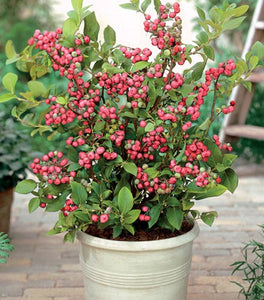
Patriot can also be grown in large containers, which is helpful when the native soil is not acidic enough. Use a large pot with drainage holes and an acidic potting mix designed for blueberries, azaleas, or other acid-loving plants. Container-grown blueberries need regular watering, but they make it easier for homeowners to control soil pH and enjoy fresh fruit on patios, decks, and small-space gardens.
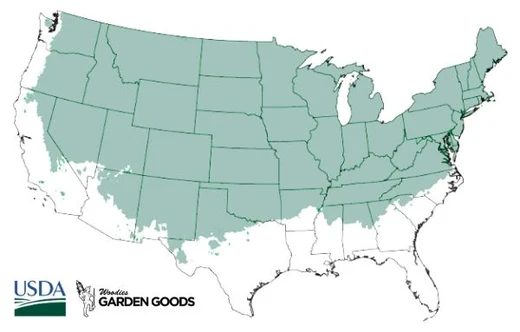
| Hardiness Zone: | 3-7 |
|---|---|
| Mature Height: | 4 to 6 Feet |
| Mature Width: | 4 to 6 Feet |
| Sunlight: | Full sun to part shade; full sun supports best fruiting |
| Soil | Acidic, organic-rich, moist, well-drained soil |
| Water Requirements: | Keep evenly moist, especially during establishment, bloom, fruit set, and harvest |
| Bloom Time / Color | Spring; white bell-shaped flowers, sometimes with a pale pink tinge |
| Fruit / Harvest | Large medium-blue berries; early to midseason depending on region |
| Foliage | Green summer foliage with red, purple, orange, or burgundy fall color |
| Ornamental Features | Edible berries, spring flowers, red fall color, pollinator value, edible landscape appeal |
| Wildlife Value | Flowers support pollinators; fruit attracts birds unless protected |
| Pollination | Self-pollinating, but cross-pollination with another blueberry improves yield and berry size |
| Resistance | Cold hardy; shows better resistance/tolerance to root rot and wetter soils than many blueberries, but still needs drainage |
| Landscape Uses | Edible gardens, fruiting hedges, backyard berry patches, containers, mixed borders, pollinator gardens, sunny foundations |
How to Care for Patriot Blueberry Bushes
Be sure to read our planting instructions to ensure a healthy, productive Patriot Blueberry Bush plant for years to come!
-v1784137300089.png?92x91)
How should I plant Patriot Blueberry Bushes?
Plant Patriot Blueberry Bushes in full sun to part shade with acidic, organic-rich, moist, well-drained soil. Full sun is best for the heaviest fruit production. Before planting, test the soil pH and adjust if needed, because blueberries require acidic soil to grow and fruit properly. Dig a wide planting hole, loosen the surrounding soil, and set the plant so the root ball sits level with or slightly above the surrounding grade. Backfill with native soil improved with acidic organic matter if needed, water deeply, and apply 3 to 4 inches of mulch over the root zone while keeping mulch away from the stems.
-v1784137322656.png?89x84)
How often should I water Patriot Blueberry Bushes after planting?
Water Patriot Blueberry Bushes deeply after planting and keep the soil evenly moist during the first growing season. Blueberries have shallow roots, so they can dry out quickly during heat, wind, bloom, and fruit development. Water when the top inch or two of soil begins to dry. Once established, Patriot still performs best with consistent moisture, especially from flowering through harvest. Avoid letting the root zone dry out completely, but do not keep the plant in standing water. Mulch helps conserve moisture and protect the shallow roots.
-v1784137339640.png?90x89)
When should I fertilize Patriot Blueberry Bushes?
Fertilize Patriot Blueberry Bushes in spring with a fertilizer formulated for acid-loving plants. For newly planted blueberries, wait a few weeks after planting before applying fertilizer, and keep fertilizer away from the crown. Established bushes can be fertilized around bloom time, with a second light feeding a few weeks later if needed. Avoid fertilizing late in the season because late growth can be more vulnerable to winter injury. Do not use lime around blueberries, and avoid high-pH composts or fertilizers that raise soil alkalinity. Soil pH, mulch, and steady moisture are just as important as fertilizer.

When and how should I prune / cut back Patriot Blueberry Bushes?
Prune Patriot Blueberry Bushes in late winter or early spring while the plant is dormant. During the first few years, focus on removing weak, broken, dead, or diseased stems. Many gardeners remove flowers the first year, and sometimes the second year, so the plant can put more energy into roots and strong growth. Once the bush is established, prune annually to remove old, weak, crossing, or low-growing branches and encourage vigorous new canes. Blueberries fruit best on strong one-year-old wood, so pruning helps maintain berry size, airflow, and long-term productivity.