

Images Depict Mature Plants
SunSeekers Rainbow Coneflower
Echinacea ‘IFECSSRA’
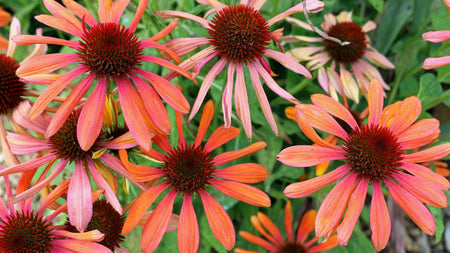
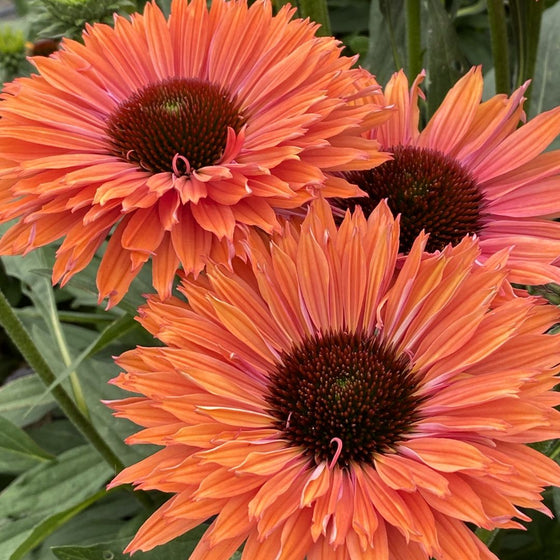
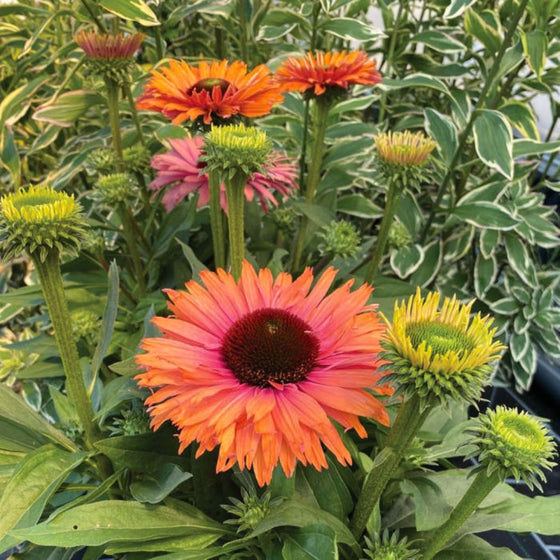
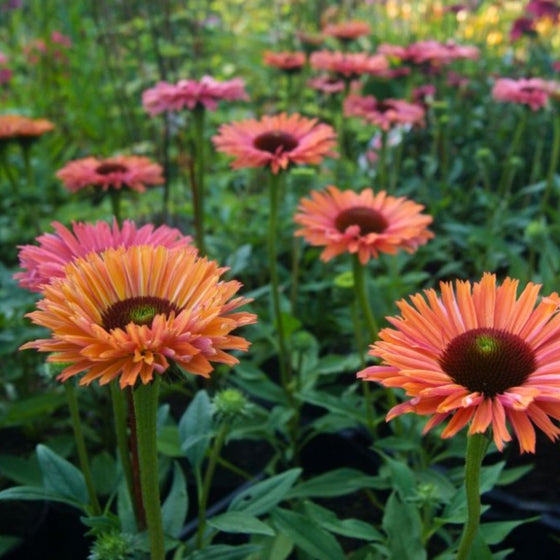
SunSeekers Rainbow Coneflower is a great pick when you want one plant to deliver several flower colors through the season. The blooms shift from yellow into salmon, coral, pink, and lavender tones, so the plant never feels flat or one-note. Give it full sun, good drainage, and light feeding, and it will bring bright summer color without asking for much.

15% OFF SITEWIDE SALE
Use Code 'PRIMETIME15' At Checkout
📦 Free shipping on orders over $99.
Delay shipping by leaving us a message at Checkout.
Share:


Color-Changing Coneflower Blooms for Sunny Borders and Pollinator Gardens
SunSeekers Rainbow Coneflower Brings a Changing Mix of Summer Color
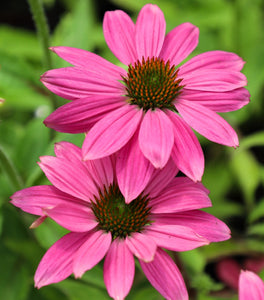
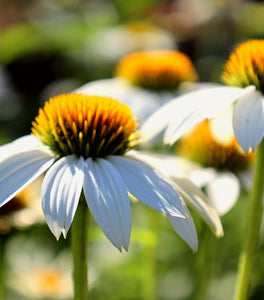
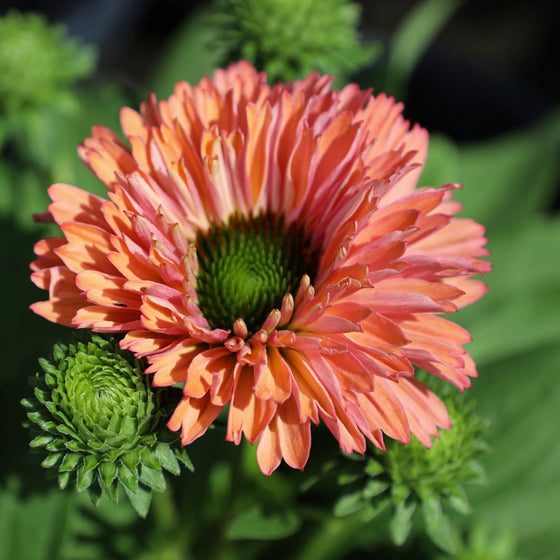
SunSeekers Rainbow Coneflower is a compact Echinacea with unique color-shifting flowers that bring several warm tones to the garden at once. The blooms open in lighter yellow tones and mature through shades of salmon, coral, pink, rose, lavender-pink, and blush, creating a lively rainbow effect on the same plant.
Also searched as Echinacea SunSeekers Rainbow, this coneflower gives homeowners a colorful alternative to traditional purple coneflowers. The changing flower colors make it especially useful in sunny borders, cottage gardens, pollinator beds, containers, and cut flower gardens where long-lasting summer color matters.
Semi-Double Flowers with Strong Stems and Garden Presence
SunSeekers Rainbow Coneflower produces showy semi-double blooms with layered petals and a prominent central cone. As flowers age, the mix of new and mature blooms creates a multicolored display that keeps the plant interesting through the season.
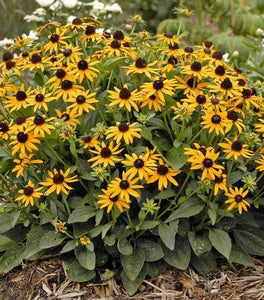
The upright, compact habit makes this Echinacea easy to fit into home landscapes. Mature plants are commonly listed around 18 to 24 inches tall, with a similar or slightly narrower spread. In full sun and well-drained soil, the sturdy stems help the plant hold its shape without looking loose or floppy.
A Compact Coneflower for Containers, Borders, and Cut Flowers
SunSeekers Rainbow Coneflower is a strong choice for gardeners who want big color in a manageable size. Use it near the front or middle of a sunny perennial border, in patio containers, along walkways, or repeated in groups for a fuller color display.
The flowers also work well in fresh arrangements. Because the plant produces multiple shades at once, a few stems can bring a blended bouquet effect with pink, salmon, coral, blush, and yellow tones. Pair it with Salvia, Catmint, Black Eyed Susan, Yarrow, Sedum, Lavender, Little Bluestem, or Russian Sage for a long-lasting summer garden combination.
Full Sun, Well-Drained Soil, and Drought Tolerance Once Established
Plant SunSeekers Rainbow Coneflower in full sun for the strongest stems, best flowering, and richest color. It can tolerate light part shade, but too much shade may reduce bloom count and make the plant less compact.
Well-drained soil is essential. Coneflowers do not like wet crowns or soggy winter soil, especially in heavy clay. Once established, SunSeekers Rainbow Coneflower is drought-tolerant and heat-tolerant, but it performs best with moderate moisture during long dry spells.
Deer Resistant, Pollinator Friendly, and Easy to Maintain
SunSeekers Rainbow Coneflower is generally considered deer resistant, making it useful in sunny landscapes where browsing is a concern. Its rough foliage and sturdy stems are less appealing to deer than many softer garden perennials, though no plant is completely deer-proof.
The flowers attract bees, butterflies, and other beneficial insects, while the seed heads can add late-season texture if left standing. Deadhead spent blooms to encourage continued flowering, or leave some late flowers in place for a more natural look and possible bird interest. Cut old stems back in late winter or early spring before new growth appears.
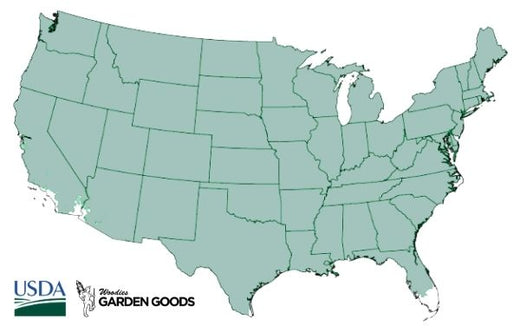
| Hardiness Zone: | 3-9 |
|---|---|
| Mature Height: | 18 to 24 Inches |
| Mature Width: | 16 to 22 Inches |
| Sunlight: | Full sun preferred; tolerates light part shade |
| Soil | Average to moderately fertile, well-drained soil |
| Water Requirements: | Average moisture during establishment; drought tolerant once established |
| Bloom Time / Color | Early summer into fall; flowers shift from yellow to salmon, coral, rose, pink, blush, and lavender-pink tones |
| Ornamental Features | Color-changing flowers, semi-double blooms, layered petals, compact habit, sturdy stems, cut-flower value |
| Wildlife Value | Attracts bees, butterflies, hummingbirds, and beneficial insects |
| Resistance | Generally considered deer resistant; drought tolerant once established; heat tolerant |
| Landscape Uses | Sunny borders, pollinator gardens, cottage gardens, containers, cut flower gardens, mass plantings, curb appeal beds |
How to Care for SunSeekers Rainbow Coneflower
Be sure to read our planting instructions to ensure a healthy and happy SunSeekers Rainbow Coneflower plant for years to come!
-v1782741819259.png?92x91)
How should I plant SunSeekers Rainbow Coneflower?
Plant SunSeekers Rainbow Coneflower in full sun with well-drained soil. Dig a hole about twice as wide as the root ball and just as deep as the container. Set the crown level with the surrounding soil, backfill with loosened native soil, and water thoroughly after planting. Space plants about 18 to 22 inches apart for a full, colorful display, or up to 24 inches apart in mixed perennial borders. Avoid low, soggy areas. If your soil is heavy clay, improve drainage before planting or use a raised bed where the crown will not sit wet through winter.
-v1782741846280.png?89x84)
How often should I water SunSeekers Rainbow Coneflower after planting?
Water SunSeekers Rainbow Coneflower deeply after planting, then keep the soil evenly moist while the roots establish. During the first growing season, water when the top few inches of soil become dry, especially during hot, windy weather. Once established, this coneflower is drought tolerant and usually needs supplemental water only during extended dry spells. Water at the base of the plant when possible and avoid keeping the foliage constantly wet, which can increase leaf spot and mildew pressure.
-v1782741862377.png?90x89)
When should I fertilize SunSeekers Rainbow Coneflower?
Fertilize SunSeekers Rainbow Coneflower lightly in early spring if needed. A thin layer of compost or a modest application of slow-release balanced fertilizer is usually enough to support healthy growth and summer flowers. Avoid heavy feeding. Coneflowers are not heavy feeders, and too much nitrogen can push leafy growth at the expense of flowers. In average garden soil, this perennial often performs best with minimal fertilizer and good drainage.

When and how should I prune SunSeekers Rainbow Coneflower?
Deadhead spent flowers to keep the plant tidy and encourage additional bloom. Cut individual flower stems back to a healthy leaf or side shoot rather than shearing the entire plant flat. In late winter or early spring, cut back old stems before new growth begins. For a more wildlife-friendly garden, leave some seed heads standing through winter for texture and possible bird interest, then clean up the plant before spring growth emerges.