

Best Trees for Easy and Lasting Curb Appeal
Published On: Jun 29, 2026
Updated On: Jul 28, 2026
Share:
If you asked me to pick one investment that offers the biggest long-term return in the landscape, my answer would be simple: plant the right tree.
A thoughtfully placed tree can frame your home, soften harsh architecture, provide shade, add seasonal color, attract birds and pollinators, and increase property value. More importantly, it creates a sense of permanence. A mature tree tells visitors that a home is established, cared for, and connected to its surroundings.
The best curb appeal trees aren't necessarily the rarest or the most expensive. They're the ones that combine beauty with reliability and continue to improve with age.
Here are some of my favorite trees for creating effortless, year-round curb appeal.
| In this Article | |
|
Start with the Right Tree in the Right Place |
|
Start with the Right Tree in the Right Place
Before choosing a tree, think about its mature size and purpose.
Ask yourself:
- Do I want spring flowers or brilliant fall color?
- Am I looking for shade or an ornamental accent?
- Will the tree frame my home or serve as a focal point?
- How much room does it have to grow?
The best landscapes feel balanced because the trees fit the space rather than outgrowing it.
Forest Pansy Redbud: A Four-Season Favorite
If I had to choose one ornamental tree to plant near the front of a home, Forest Pansy Redbud would be near the top of my list.

It begins in spring, covered in rosy-pink flowers that bloom directly on the branches before the leaves emerge. As the season progresses, rich burgundy foliage provides dramatic contrast against green lawns and evergreen shrubs.
Its manageable size makes it perfect for:
- Front-yard focal points
- Courtyard gardens
- Foundation accents
- Small residential lots
Even in winter, its elegant branching structure adds visual interest.
Autumn Brilliance Serviceberry: Beauty in Every Season
Some trees have one great season. Autumn Brilliance Serviceberry has four.

White flowers brighten early spring, edible berries attract birds in early summer, lush green foliage carries through the growing season, and brilliant orange-red fall color steals the show before winter.
As a native tree with multi-season appeal, it fits beautifully into both traditional and naturalistic landscapes.
Cherokee Chief Dogwood: Classic American Elegance
Few trees say "spring" quite like a flowering dogwood.
Cherokee Chief Dogwood combines deep rosy-red blooms with handsome branching and attractive fall color, making it one of the finest ornamental trees available.

It performs especially well:
- Near front entrances
- In woodland edges
- Beneath taller canopy trees
- As a specimen in smaller landscapes
Its graceful form provides beauty long after the flowers have faded.
Tamukeyama Japanese Maple: Living Sculpture
When homeowners want a landscape that feels refined and artistic, I often recommend a Tamukeyama Japanese Maple.

Its cascading habit and finely textured burgundy foliage create movement and elegance unlike almost any other tree.
It works beautifully in:
- Foundation beds
- Entry gardens
- Water features
- Courtyard landscapes
- Asian-inspired gardens
This tree draws attention without overwhelming the space.
October Glory Red Maple: Brilliant Fall Color and Shade
For larger properties where shade is important, October Glory Red Maple is one of my favorite choices.
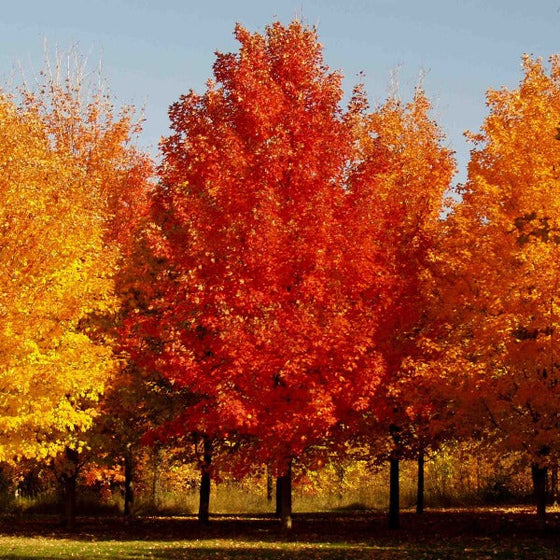
It develops into a handsome shade tree, offering spectacular scarlet fall foliage that can transform an ordinary yard into a neighborhood showpiece.
It's ideal for:
- Front lawns
- Street plantings
- Larger residential lots
- Parks and estates
Plant it where it has room to mature, and it will reward generations of homeowners.
Flowering Cherry Trees: Spring at Its Finest
Few sights are more uplifting than a flowering cherry in bloom.
Whether you choose a weeping form or an upright variety, flowering cherries create unforgettable displays of pink or white blossoms in early spring.

They make exceptional:
- Specimen trees
- Front-yard accents
- Patio focal points
- Lawn centerpieces
Their relatively compact size makes them suitable for many suburban landscapes.
Magnolia Trees: Southern Charm Everywhere
Magnolias bring a timeless elegance to residential landscapes.
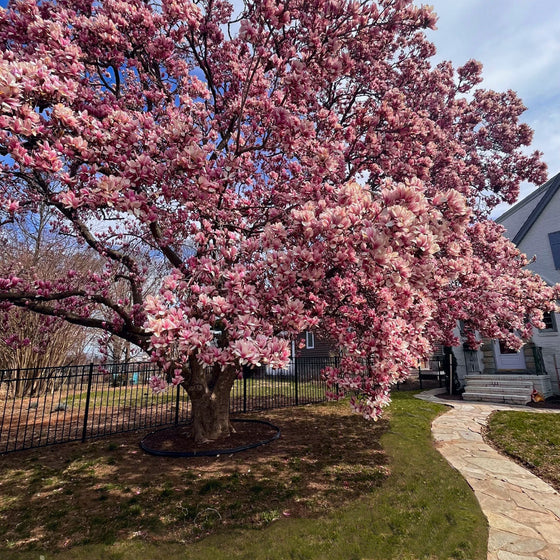
Large flowers, glossy foliage, and stately growth habits make them ideal for creating a lasting impression.
Whether you prefer the goblet-shaped blooms of deciduous varieties or the evergreen beauty of Southern Magnolia, these trees command attention in every season.
River Birch: Texture and Character
If you want a tree with personality, choose Heritage River Birch.
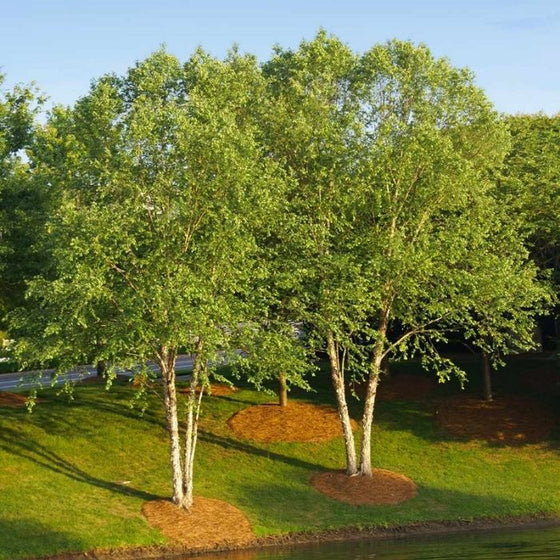
Its peeling bark provides year-round interest, while its graceful multi-stem form adds movement and texture to the landscape.
Heritage River Birch performs particularly well in:
- Rain gardens
- Moist soils
- Naturalized plantings
- Larger lawns
Even after the leaves fall, the bark becomes a focal point.
Emerald Green Arborvitae: The Tree That Frames the Landscape
While often thought of as a privacy tree, Emerald Green Arborvitae also enhances curb appeal.
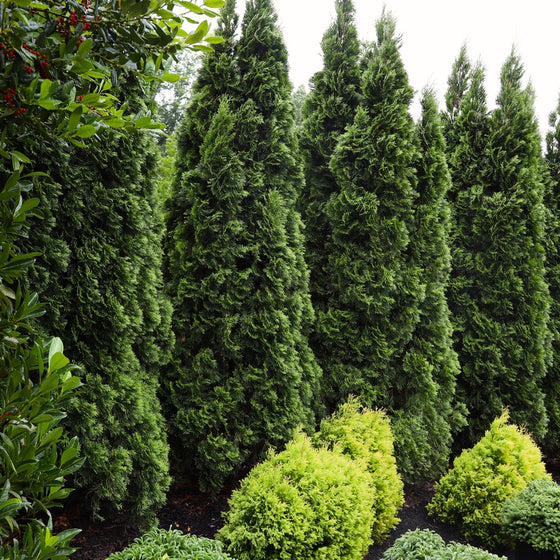
Strategically placed, it can:
- Frame the corners of a home
- Anchor large foundation plantings
- Create a backdrop for flowering shrubs
- Screen unsightly views
- Add year-round structure
It's one of the best ways to make a landscape feel mature and complete.
Design with Layers
Great curb appeal comes from combining trees with supporting plants.
For example:
- Plant a Forest Pansy Redbud as the focal point.
- Add Limelight Hydrangeas beneath it.
- Border the bed with Boxwoods or Soft Touch Hollies.
- Finish with drifts of Echinacea or Nepeta for seasonal color.
This layered approach creates depth and ensures there's always something interesting to see.
Don't Overlook Mature Size
One of the most common mistakes I see is planting trees too close to the house.
Always account for:
- Mature height
- Mature spread
- Distance from foundations
- Overhead utility lines
- Sidewalks and driveways
Giving a tree room to grow naturally results in better health, less pruning, and a more graceful appearance.
Easy Care for Long-Term Success
Most ornamental trees need only a few basic practices to thrive:
- Water deeply during the first couple of growing seasons
- Apply 2–3 inches of shredded hardwood mulch, keeping it away from the trunk
- Use a planting aid such as Woodie's Root Booster to encourage strong root establishment
- Remove dead or damaged branches as needed
- Avoid over-pruning, especially during establishment
With proper planting and aftercare, these trees become easier to maintain with age.
Woodie's Take
When people ask how to improve curb appeal, they often expect me to recommend flowers.
Instead, I recommend trees.
Flowers come and go, but the right tree anchors a landscape for decades. It creates shade, frames views, supports wildlife, and becomes more beautiful every year.
Whether you're drawn to the spring blooms of a Cherokee Chief Dogwood, the burgundy foliage of a Forest Pansy Redbud, the fiery autumn display of an October Glory Red Maple, or the graceful form of a Japanese Maple, you're investing in something that will shape your landscape for generations.
Plant thoughtfully, give your tree room to grow, and be patient.
Because the best curb appeal isn't created in a weekend. It grows stronger—and more beautiful—with every passing season.