


Images Depict Mature Plants
Raspberry Splash Lungwort
Pulmonaria x 'Raspberry Splash' #PP12,138
Raspberry Splash is one of those shade plants that keeps earning its space after the flowers are gone. The raspberry-colored spring blooms are bright and cheerful, but the sharply pointed leaves splashed with silver are what keep the planting looking good through the season. Its biggest requirement is dependable moisture. Give it cool soil, afternoon protection, and enough room to form a broad clump, and it can brighten the kind of shaded opening where many flowering perennials struggle.

15% OFF SITEWIDE SALE
Use Code 'PRIMETIME15' At Checkout
📦 Free shipping on orders over $99.
Delay shipping by leaving us a message at Checkout.
Share:



Raspberry Spring Flowers and Silver-Splashed Foliage for Shade
An Early-Blooming Shade Perennial That Does More Than Flower
Raspberry Splash Lungwort wakes up shaded garden beds with vivid color early in the growing season. Clusters of raspberry-coral flowers rise just above the foliage in spring, bringing life to woodland beds while many later perennials are only beginning to emerge.
The flowers are held in branched clusters and open over an extended period. Their intense raspberry coloring may gradually deepen toward purple as individual blossoms age, allowing several related shades to appear on the same plant.
Raspberry Splash is equally valuable after its flowers fade. Narrow, sharply pointed green leaves emerge with prominent silver markings, creating a bright foliage mound that remains visible beneath trees, shrubs, and taller shade perennials.
This combination of early flowers and long-lasting foliage makes Raspberry Splash more useful than a spring ephemeral. It continues contributing color, texture, and ground-level fullness well beyond its main bloom period.
Raspberry-Coral Flowers Welcome the Spring Pollinator Season
Raspberry Splash typically flowers during April and May, although established plants may begin earlier in mild climates. Its funnel-shaped blooms appear in generous clusters, producing a stronger color display than the scattered flowers found on some older lungwort selections.
The blossoms open in rich raspberry-red to coral-pink shades and may mature toward purple. This natural color progression gives the planting a lively, multicolored appearance without requiring several different cultivars.
These early flowers provide nectar and pollen when fewer perennials are in bloom. Bees and other beneficial pollinating insects visit lungwort flowers, and the tubular blossoms may also attract hummingbirds returning to the garden in spring.
Plant Raspberry Splash near hellebores, foamflowers, brunnera, ferns, and early spring bulbs to build a layered woodland display. Its warm flower color provides an especially effective contrast against blue flowers and cool silver foliage.
Upright Silver-Marked Leaves Keep Shady Beds Looking Bright
The foliage is one of Raspberry Splash Lungwort’s strongest ornamental features. Each lance-shaped leaf is dark green with prominent silver spots and splashes, producing a bright, textured mound in areas where solid green foliage can begin to look heavy.
Its leaves are narrower and more sharply pointed than those of many traditional lungwort cultivars. The somewhat upright foliage habit gives the plant a clean, structured appearance and helps its silver pattern remain visible from above.
A mature plant generally reaches about 12 inches tall and spreads approximately 18 to 25 inches wide. It forms a broadening clump rather than an aggressive running groundcover, making it suitable for edging shaded paths, underplanting shrubs or repeating through a woodland border.
In warmer climates, some foliage may remain through winter. In colder areas, the leaves commonly decline or disappear during winter dormancy before fresh growth returns in spring.
A Vigorous Ground-Level Accent for Woodland and Shade Gardens
Raspberry Splash is larger and more vigorous than many lungwort cultivars. Its substantial width allows it to fill open ground beneath high-branched shrubs, deciduous trees, and taller shade plants without becoming excessively tall.
Use individual plants as silver-foliaged accents or space several together to create a low, continuous planting. The broad leaves help cover exposed soil, soften bed edges, and create a finished transition between larger perennials.
Its best landscape uses include woodland gardens, shaded borders, cottage gardens, pathway edging, mass plantings, and the front of partially shaded foundation beds. It also tolerates black walnut trees, making it useful in locations where juglone sensitivity limits plant choices.
Raspberry Splash can grow in a container placed in filtered light, but its roots must be kept cool and evenly moist. A broad planter with dependable drainage is better suited to its spreading clump than a small decorative pot.
Cool Roots and Consistent Moisture Keep the Foliage Handsome
Partial shade is the safest exposure for Raspberry Splash Lungwort, especially in regions with hot summers. Morning sun with afternoon shade, or bright, filtered light beneath an open tree canopy, generally produces healthy foliage and generous flowering.
This hybrid can tolerate more direct sunlight than many older lungworts when grown in cooler climates or consistently moist soil. In hot regions, however, strong afternoon sun can scorch the foliage and cause the plant to decline.
Plant it in humus-rich, well-drained soil that remains evenly moist. Raspberry Splash wilts quickly when its root zone becomes too dry, and prolonged heat or drought may cause the foliage to become tired or the plant to enter temporary summer dormancy.
Remove faded flower stalks and worn leaves after blooming to encourage a fresh flush of silver-marked foliage. The cultivar has good powdery mildew resistance, but dry soil, crowding and poor air circulation can still encourage disease. A light layer of organic mulch helps retain moisture and keeps the roots cool.
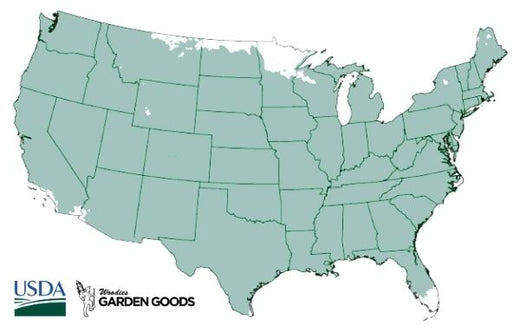
| Hardiness Zone: | 3-8 |
|---|---|
| Mature Height: | 12 Inches |
| Mature Width: | 18 to 25 Inches |
| Sunlight: | Partial shade is ideal; tolerates morning sun and, in cool climates with moist soil, more direct sunlight |
| Soil Condition: | Humus-rich, fertile, well-drained soil; adaptable to acidic, neutral or mildly alkaline conditions |
| Water Requirements: | Average to moist; do not allow the root zone to remain dry for extended periods |
| Bloom Time / Color | Early to mid-spring, generally April through May; raspberry-red to coral-pink flowers that may age toward purple |
| Ornamental Features | Intense raspberry spring flowers; silver-splashed foliage; upright leaf habit; extended bloom period; long-season shade color |
| Wildlife Value | Early flowers provide nectar and pollen for bees and other pollinating insects; tubular blooms may attract hummingbirds |
| Resistance | Generally considered deer and rabbit resistant; good powdery mildew resistance; tolerant of black walnut |
| Landscape Uses | Shade borders; woodland gardens; cottage gardens; pathway edging; mass plantings; shrub underplanting; ground-level foliage accents; containers |
How to Care for Raspberry Splash Lungwort
Be sure to read our planting instructions to ensure a healthy and happy Raspberry Splash Lungwort for years to come!
-v1785763001157.png?92x91)
How should I plant Raspberry Splash Lungwort?
Choose a location with partial shade, filtered light or morning sun followed by afternoon shade. Dig a hole approximately twice as wide as the nursery container but no deeper than the root ball. Position the plant with the top of its root ball level with the surrounding soil. Backfill with loosened soil and incorporate compost or leaf mold when the planting area lacks organic matter. Water thoroughly and apply a light layer of mulch around the root zone. Space multiple plants approximately 18 to 24 inches apart to accommodate their broad mature clumps.
-v1785763001640.png?89x84)
How often should I water Raspberry Splash Lungwort after planting?
Water deeply immediately after planting and keep the soil consistently moist during the first growing season. Check the soil regularly and water when the upper inch begins to feel dry. Plants beneath established trees may need more frequent watering because nearby roots compete for moisture. Established Raspberry Splash Lungwort prefers average to moist soil and may wilt rapidly when the root zone becomes dry. Water deeply during extended periods without rainfall, but avoid leaving the crown in standing water or permanently saturated soil.
-v1785763002146.png?90x89)
When should I fertilize Raspberry Splash Lungwort?
Apply a thin layer of compost or leaf mold around the plant in early spring. This provides gentle nutrition, improves soil structure and helps recreate the cool, organic conditions lungwort prefers. Additional fertilizer is rarely necessary in fertile woodland soil. When growth is weak, apply a light dose of balanced slow-release fertilizer in spring according to the label. Avoid excessive nitrogen, which can produce soft foliage and increase crowding within the clump.

When and how should I prune or cut back Raspberry Splash Lungwort?
Remove faded flower stems promptly after the spring bloom period. Cut each stalk near its base without damaging the newly developing basal leaves. This keeps the plant tidy and directs attention toward its silver-marked summer foliage. Old, scorched or mildew-damaged leaves can also be cut back after flowering to encourage fresh growth. In colder climates, remove winter-damaged foliage in late winter or early spring. Healthy semi-evergreen leaves may remain in place until new growth begins.


