Images Depict Mature Plants
Opal Lungwort
Pulmonaria × 'Opal', Pulmonaria 'Ocupol'
Opal is a good lungwort for gardeners who want something softer than the usual strong blue or bright pink varieties. The pale flowers almost glow beneath trees, and the silver-spotted leaves keep doing their job long after spring bloom is finished. The important thing is not to treat it like a dry-shade plant. Give it organic soil, dependable moisture and protection from hot afternoon sun, and it will make a handsome, steady clump at the front of the shade garden.

15% OFF SITEWIDE SALE
Use Code 'PRIMETIME15' At Checkout
📦 Free shipping on orders over $99.
Delay shipping by leaving us a message at Checkout.
Share:



Opalescent Blue Spring Flowers and Silver-Spotted Foliage
Pale Blue Flowers Bring a Softer Glow to the Shade Garden
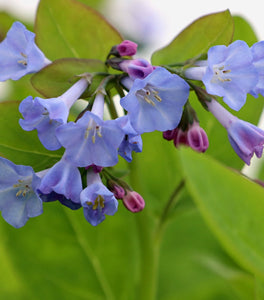
Opal Lungwort brings luminous spring color into shaded garden beds with clusters of pale blue flowers that can appear almost white in cool light. The blossoms begin as soft pink buds before opening to a clear opal-blue, allowing pink and blue tones to appear together on the plant.
Its light flower color makes Opal especially useful in areas where deeper blues, purples or reds might disappear into the shade. The blooms catch available light beneath trees and shrubs, creating a brighter effect along woodland paths, shaded foundations and partially enclosed garden spaces.
Opal is also a freely flowering cultivar. A mature plant can carry a generous display of funnel-shaped flowers during its spring bloom period, giving this compact perennial more impact than its modest height might suggest.
The cool blue coloring pairs easily with white hellebores, yellow woodland flowers, burgundy heucheras, and fresh green fern fronds. It is equally attractive in quiet monochromatic gardens or more colorful cottage-style combinations.
Shell-Pink Buds Open into Opalescent Blue Spring Blooms
The flower show begins with pale pink buds held in branched clusters above the foliage. As the buds open, the flowers shift through pale lavender and blue tones, eventually fading toward an icy blue-white.
This color change is one of the most appealing features of Opal Lungwort. Several stages can appear at once, giving the plant a softly multicolored look without the stronger contrast found in darker lungwort cultivars.
Opal typically blooms from March through May, depending on the growing zone and seasonal temperatures. Its early flowering period helps fill the gap between late-winter bulbs and the main flush of spring perennials.
The blossoms provide nectar and pollen for bees and other beneficial insects emerging early in the season. Although the flowers are visually delicate, they are carried on stiff stems that rise clearly above the foliage.
Silver-Spotted Leaves Extend the Display Beyond Spring
Opal Lungwort remains attractive after its flowers have faded. Its broad green leaves are densely marked with silver spots and splashes, producing a bright foliage mound that continues to add texture throughout the growing season.
The silver pattern is heavier than that of many older common lungwort selections. This makes Opal useful as a foliage plant as well as a flowering perennial, especially beneath shrubs and trees where solid green leaves can blend into the background.
Mature leaves are oval to elongated, roughly textured, and softly hairy. They form a low, dense clump that spreads gradually through short, creeping roots without behaving like an aggressive running groundcover.
The foliage may remain semi-evergreen in regions with mild winters. In colder climates, leaves decline after hard freezes commonly and are replaced by fresh growth in spring.
A Compact Groundcover for Paths, Borders, and Woodland Beds
Opal Lungwort generally grows 10 to 14 inches tall and spreads approximately 12 to 18 inches wide. Its low, bushy habit is substantial enough to cover open soil without obscuring taller shade perennials planted behind it.
Use Opal along shaded walkways, at the front of woodland borders or beneath high-branched shrubs. Several plants can be repeated to create a silver-spotted groundcover, while a single plant can brighten a small opening among hostas, ferns or hellebores.
Its spreading clumps are also useful for softening the base of deciduous shrubs and filling spaces between spring-flowering bulbs. Because the foliage develops as bulb leaves begin to decline, Opal can help hide the fading growth of daffodils and other early bulbs.
Opal can grow in a shaded container when supplied with consistent moisture and good drainage. Choose a broad pot that allows the clump to widen, and protect container-grown roots from extreme winter temperatures.
Cool, Moist Soil Keeps Opal Lungwort Looking Its Best
Plant Opal Lungwort in partial shade or full shade. Bright filtered light or gentle morning sun can support good flowering, but strong afternoon sun may scorch the foliage, particularly in hot climates.
The ideal soil is rich in organic matter, consistently moist, and well-drained. Compost and leaf mold help create the cool woodland conditions lungwort prefers. Avoid both standing water and locations that become severely dry during summer.
Opal may tolerate clay, loam, or chalky soil as long as drainage and moisture remain balanced. It also adapts to acidic, neutral, and mildly alkaline soils, making it less demanding about pH than many shade perennials.
Remove faded flower stalks and tired, older leaves after blooming to encourage a fresh flush of foliage. Powdery mildew can develop when plants become dry or crowded, so provide steady moisture and enough spacing for air to circulate. Deer and rabbits generally avoid the textured foliage, although no plant is entirely browse-proof.
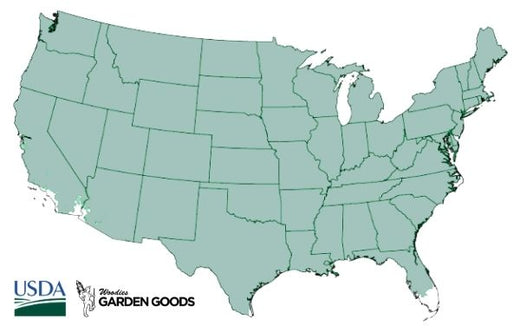
| Hardiness Zone: | 3-9 |
|---|---|
| Mature Height: | 10 to 14 Inches |
| Mature Width: | 12 to 18 Inches |
| Sunlight: | Partial shade to full shade; gentle morning sun is acceptable when soil remains moist |
| Soil Condition: | Humus-rich, fertile and well-drained soil; adaptable to clay, loam and a broad pH range |
| Water Requirements: | Average to moist; provide consistent moisture without leaving the crown waterlogged |
| Bloom Time / Color | Early to mid-spring, generally March through May; pink buds open into pale lavender-blue to opalescent blue flowers |
| Ornamental Features | Pale opalescent blue flowers; shell-pink buds; dense silver leaf spotting; compact spreading habit; long-lasting foliage interest |
| Wildlife Value | Provides early-season nectar and pollen for bees and other beneficial pollinating insects |
| Resistance | Generally considered deer and rabbit resistant; tolerates heavy shade and black walnut; powdery mildew may occur in dry conditions |
| Landscape Uses | Woodland gardens; shade borders; pathway edging; groundcover; cottage gardens; shrub underplanting; banks and slopes; shaded containers |
How to Care for Opal Lungwort
Be sure to read our planting instructions to ensure a healthy and happy Opal Lungwort for years to come!
-v1785764728481.png?92x91)
How should I plant Opal Lungwort?
Choose a location with partial shade, full shade or gentle morning sunlight followed by afternoon protection. Dig a planting hole approximately twice as wide as the nursery container but no deeper than the root ball. Position the crown level with the surrounding soil. Backfill with loosened native soil and add compost or leaf mold when the planting area lacks organic matter. Water thoroughly and apply a light layer of mulch around the root zone. Space multiple plants approximately 12 to 18 inches apart to allow the clumps to fill in without becoming crowded.
-v1785764728972.png?89x84)
How often should I water Opal Lungwort after planting?
Water deeply immediately after planting and keep the soil consistently moist throughout the first growing season. Check the soil regularly, especially when plants are growing beneath trees or shrubs whose roots compete for available moisture. Once established, Opal Lungwort still performs best with dependable moisture. Water when the upper inch of soil begins to dry, but do not allow the crown to remain in standing water. Deep watering is preferable to frequent shallow sprinkling.
-v1785764729435.png?90x89)
When should I fertilize Opal Lungwort?
Apply a thin layer of compost or well-aged leaf mold around the plant in early spring. This gently supplies nutrients while improving the moisture retention and organic content of the soil. Additional fertilizer is rarely needed in fertile woodland soil. If growth is weak, apply a light dose of balanced slow-release fertilizer according to the label. Avoid excessive nitrogen, which can encourage soft, crowded foliage and increase the risk of mildew.

When and how should I prune or cut back Opal Lungwort?
Remove faded flower stems after blooming by cutting them close to the base of the plant. Old, worn or mildew-damaged leaves can be removed at the same time to encourage a cleaner flush of silver-spotted foliage. In colder climates, clear away winter-damaged leaves in late winter or early spring before new growth expands. In mild regions, healthy semi-evergreen foliage can remain until fresh leaves begin replacing it.