


Images Depict Mature Plants
Shrimps on the Barbie Lungwort
Pulmonaria x 'Shrimps on the Barbie'
Shrimps on the Barbie is one of those plants that sells itself once people see it in bloom. The name gets a smile, but the plant earns its place with that warm shrimp-pink flower color and spotted foliage that keeps the shade bed interesting after spring. I would use it where blue lungwort feels too cool or predictable—under shrubs, along a shaded path, or mixed with hostas and ferns. Just give it cool shade and steady moisture, because this is not a hot, dry-site plant.

15% OFF SITEWIDE SALE
Use Code 'PRIMETIME15' At Checkout
📦 Free shipping on orders over $99.
Delay shipping by leaving us a message at Checkout.
Share:



Shrimps on the Barbie Lungwort Brightens Shade With Pink Spring Flowers and Spotted Foliage
Shrimp-Pink Spring Flowers for Woodland Gardens
Shrimps on the Barbie Lungwort is a colorful shade perennial grown for masses of deep shrimp-pink to salmon-pink flowers in spring. The warm flower color is unusual for Pulmonaria, making this cultivar a standout choice for gardeners who want something brighter than the classic blue lungwort look.
The blooms rise above the foliage in cheerful clusters just as the shade garden is waking up. Use it under open-canopy trees, along shaded walkways, in woodland borders, around hostas and ferns, or near spring bulbs where the pink flowers can help start the season with color.
Silver-Spotted Foliage After the Flowers Fade
This lungwort continues to work after bloom, with green leaves marked by prominent silver-white spots. The patterned foliage brightens darker beds and adds texture in places where plain green shade plants can disappear.
That long-season foliage value is one of the best reasons to plant Pulmonaria. Shrimps on the Barbie pairs beautifully with hostas, ferns, brunnera, heuchera, hellebores, carex, foamflower, bleeding heart, woodland phlox, and Japanese forest grass.
A Spreading, Groundcover-Style Shade Perennial
Shrimps on the Barbie have a low, spreading habit, commonly growing about 8 to 12 inches tall and spreading about 18 to 24 inches wide or more with time. It works well as a compact shade groundcover, edging plant, filler under shrubs, or front-of-border perennial.
Plant it in small groups for the strongest effect. One plant adds a pretty accent, but several plants together create a bright spring flower display, followed by a carpet of spotted foliage that helps shaded beds feel fuller.
Deer Resistant, Rabbit Resistant, and Pollinator Friendly
Shrimps on the Barbie Lungwort is generally resistant to deer and rabbits, making it useful in shaded landscapes where browsing pressure can be a problem. No plant is completely deer-proof, but lungwort is often less appealing than many soft-leaved shade perennials.
The spring flowers also help support early-season pollinators. Bees and hummingbirds may visit the blooms when food sources are still limited. For a stronger wildlife-friendly shade planting, combine it with hellebores, foamflower, woodland phlox, Virginia bluebells, columbine, and other early bloomers.
Best in Cool Shade With Steady Moisture
Shrimps on the Barbie grows best in part shade to full shade with organically rich, moist, well-drained soil. It appreciates cool roots, mulch, and consistent moisture, especially during summer heat or when planted under trees where roots compete for water.
Avoid hot afternoon sun, dry soil, and reflected heat. After the spring flower show, trim back spent flower stems and tired foliage to encourage a fresh flush of leaves. In the right shaded spot, this is a durable, colorful, and surprisingly showy lungwort for spring flowers and patterned foliage.
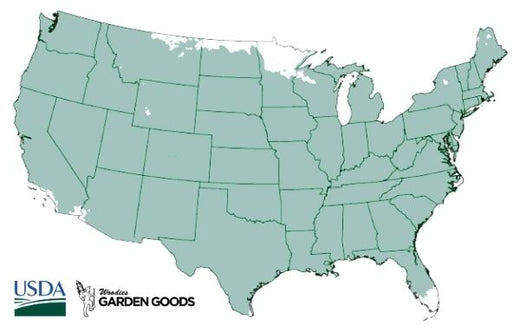
| Hardiness Zone: | 4-9 |
|---|---|
| Mature Height: | 8 to 12 Inches |
| Mature Width: | 18 to 24 Inches |
| Sunlight: | Part shade to full shade; morning sun may be tolerated in cool, moist sites |
| Soil Condition: | Organically rich, average to moist, well-drained soil |
| Water Requirements: | Average to consistent moisture; avoid letting soil dry out completely |
| Bloom Time / Color | Spring; deep shrimp-pink to salmon-pink flowers |
| Wildlife Value | Exceptional butterfly value; also attracts bees and other pollinators |
| Foliage | Green leaves with prominent silver-white spots |
| Resistance | Deer resistant; rabbit resistant; mildew resistant in good conditions |
| Ornamental Features | Shrimp-pink flowers, silver-spotted foliage, shade color, spreading habit, groundcover value |
| Wildlife Value | Spring flowers attract hummingbirds, bees, and other early pollinators |
| Landscape Uses | Shade borders, woodland gardens, under-tree plantings, edging, groundcover, containers, shaded path edges, mixed shade beds |
How to Care for Shrimps on the Barbie Lungwort
Be sure to read our planting instructions to ensure a healthy and happy Shrimps on the Barbie Lungwort for years to come!
-v1785690840189.png?92x91)
How should I plant Shrimps on the Barbie Lungwort?
Plant Shrimps on the Barbie Lungwort in part shade to full shade with moist, well-drained soil. A site with morning sun, filtered woodland light, or bright shade is ideal. Avoid hot afternoon sun, dry exposed locations, and compacted soil that becomes hard in summer. Dig a hole slightly wider than the root ball and set the crown level with the surrounding soil. Backfill with native soil improved with compost or leaf mold if needed, water deeply, and mulch lightly with shredded leaves or fine bark. Keep mulch away from the crown so the center of the plant does not stay too wet.
-v1785690840688.png?89x84)
How often should I water Shrimps on the Barbie Lungwort after planting?
Water Shrimps on the Barbie Lungwort deeply after planting and keep the soil evenly moist during the first growing season. This is especially important under trees, where roots from larger plants can compete heavily for moisture. Once established, continue watering during dry spells. Lungwort does not like soggy soil, but it also should not be allowed to dry out completely. If the foliage wilts in summer, check soil moisture and water deeply at the base.
-v1785690841158.png?90x89)
When should I fertilize Shrimps on the Barbie Lungwort?
Fertilize Shrimps on the Barbie Lungwort lightly in spring if the soil is poor or growth is weak. In rich woodland-style soil, compost or leaf mold is usually better than heavy fertilizer. Avoid high-nitrogen feeding that encourages soft, weak growth. Lungwort performs best with organic matter, mulch, cool soil, and steady moisture. Refreshing the planting area with compost each year is often enough.

When and how should I prune / cut back Shrimps on the Barbie Lungwort?
After Shrimps on the Barbie Lungwort finishes blooming, remove spent flower stems to tidy the plant. If the foliage looks tired after flowering, trim back old leaves to encourage a fresh flush of spotted foliage. During the growing season, remove damaged, scorched, or mildewed leaves as needed. In late winter or early spring, clean up any remaining old foliage before new growth begins. Keep the crown clear of wet, matted debris.


