


Images Depict Mature Plants
Sherwood Purple Woodland Phlox
Phlox stolonifera 'Sherwood Purple
Sherwood Purple is a smart choice when you want the spring carpet effect of creeping phlox but your planting area does not receive all-day sun. Its broad green foliage spreads naturally through a woodland bed, and the fragrant purple flowers rise just high enough to be noticed without making the planting look untidy. Give it organic soil, dependable moisture during the first year and room to travel, and it can turn a difficult shaded opening into a handsome native groundcover.

15% OFF SITEWIDE SALE
Use Code 'PRIMETIME15' At Checkout
📦 Free shipping on orders over $99.
Delay shipping by leaving us a message at Checkout.
Share:



Fragrant Purple Spring Color for Shaded Garden Spaces
A Native Creeping Phlox That Thrives Beyond the Sunny Rock Garden
Sherwood Purple Creeping Phlox brings vivid spring color to partially shaded areas where traditional moss phlox may not perform well. This native selection forms a low, spreading mat of leafy stems beneath upright clusters of fragrant purple-blue flowers.
The plant belongs to Phlox stolonifera, a creeping species native to Appalachian woodlands and streamside habitats. It is naturally adapted to growing beneath open tree canopies, along woodland edges, and in soil that remains moderately moist without becoming waterlogged.
Sherwood Purple is sometimes sold as woodland phlox because it performs so well in woodland-style gardens. Botanically, however, it is a creeping phlox rather than the taller Phlox divaricata commonly known as woodland phlox.
That distinction matters when choosing a plant for the landscape. Sherwood Purple creates a denser, lower groundcover and spreads through aboveground runners, making it an excellent choice for filling open soil beneath shrubs, lining shaded paths or softening the transition between a lawn and wooded area.
Purple-Blue Flowers Rise Above a Dense Green Carpet
During spring, upright flowering stems rise above the low foliage and carry loose clusters of rich purple-blue blossoms. Each flower has five rounded petals that extend from a narrow, tubular base, producing the familiar star-like form associated with phlox.
The flowers are noticeably fragrant, adding another layer of interest when Sherwood Purple is planted near a woodland path, shaded sitting area, or garden entrance. Planting several together creates a stronger fragrance and a more visible sweep of purple color.
Sherwood Purple typically flowers in April and May, depending on the climate and season. Its bloom time overlaps beautifully with spring bulbs, native sedges, foamflowers, Virginia bluebells, and early-blooming woodland shrubs.
After flowering, the green foliage continues covering the soil. The low vegetative mat provides texture and helps prevent the area from looking bare once the spring flower display has finished.
Vigorous Spreading Growth for Naturalizing and Weed-Suppressing Coverage
Sherwood Purple spreads through stolons, which are aboveground stems that travel across the soil and form roots where they touch the ground. This growth habit allows a healthy plant to expand into a dense colony rather than remain in a single tight clump.
The leafy groundcover usually remains only a few inches tall, while the flowering stems rise approximately 6 to 12 inches above the mat. Established plants can spread 12 to 24 inches or more, and vigorous colonies may expand by one to two feet during a favorable growing season.
Use Sherwood Purple where spreading is a benefit: beneath deciduous trees, around the outer edges of shrubs, on partially shaded slopes, along woodland paths, or between larger shade perennials. Its shallow-rooted habit also allows it to grow over areas planted with spring bulbs.
This is not an aggressive vine, but it should be given room to naturalize. Gardeners who prefer a sharply defined planting can trim wandering runners or lift rooted sections and replant them elsewhere.
A Top-Performing Groundcover for Mid-Atlantic Shade Gardens
Sherwood Purple has earned attention for more than its flower color. In regional trials, it developed a vigorous, dense mat of foliage and ranked among the strongest-performing selections of creeping phlox for shade.
That vigor makes it particularly useful in Mid-Atlantic landscapes, where humid summers, variable rainfall, and competition from nearby tree roots can challenge less adaptable groundcovers. Once established, Sherwood Purple can recover quickly from small gaps or minor summer damage.
Its flowers attract butterflies and hummingbirds in spring, while the dense foliage provides cover for the soil. The plant is generally considered tolerant of occasional deer browsing, although no groundcover should be treated as completely deer-proof.
Powdery mildew may appear during humid summer weather, particularly where air circulation is poor. Minor mildew generally does not threaten an established colony, and trimming old flowering stems after bloom can encourage cleaner new growth.
Partial Shade, Organic Soil, and Consistent Moisture Produce the Best Growth
Plant Sherwood Purple in partial shade or filtered woodland light for the best balance of flowers and healthy foliage. Morning sun followed by afternoon shade is ideal. It can tolerate heavier shade, though flowering may be lighter, and it can tolerate more sun where the soil remains evenly moist.
The preferred soil is rich in organic matter, moderately moist, and well-drained. Woodland soil improved with compost or leaf mold closely matches the conditions in which this native species naturally grows. Avoid locations where water remains standing around the crown.
Water regularly during the first growing season while the shallow root system becomes established. Mature plants tolerate occasional dry periods, but prolonged heat and drought may cause foliage to decline or invite spider mites.
After flowering, remove spent flower stems if a tidier appearance is desired. This light trimming can improve airflow and encourage a fresh layer of foliage. Avoid severely shearing the plant during hot summer weather, and allow the low, green vegetative stems to remain through winter where they are still green.
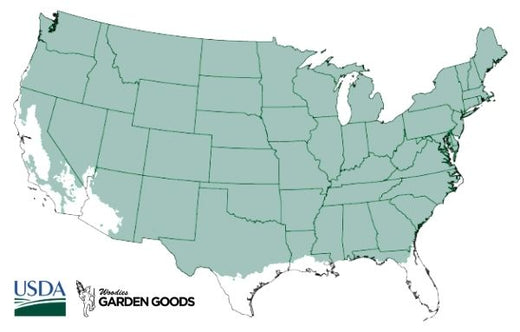
| Hardiness Zone: | 3-8 |
|---|---|
| Mature Height: | Foliage mat approximately 3 inches tall; flowering stems generally 6 to 12 inches tall |
| Mature Width: | 12 to 24 Inches |
| Sunlight: | Partial shade to shade; tolerates morning sun or more direct sun where moisture is consistent |
| Bloom Time / Color | April through May; fragrant purple to purple-blue flowers |
| Soil Condition: | Humus-rich, organic, moist but well-drained soil; slightly acidic soil is ideal |
| Water Requirements: | Moderate; keep consistently moist during establishment and water during prolonged dry periods |
| Ornamental Features | Fragrant purple-blue spring flowers; vigorous spreading habit; dense foliage mat; woodland texture |
| Wildlife Value | Flowers attract butterflies, hummingbirds and other early-season pollinators |
| Resistance | Generally considered deer tolerant; established plants tolerate occasional dryness, but rabbit browsing and summer mildew may occur |
| Landscape Uses | Woodland gardens; shade gardens; native plantings; groundcover beneath trees and shrubs; slopes; rock gardens; naturalized areas; path edging |
How to Care for Sherwood Purple Woodland Phlox
Be sure to read our planting instructions to ensure a healthy and happy Sherwood Purple Creeping Phlox for years to come!
-v1785707215388.png?92x91)
How should I plant Sherwood Purple Creeping Phlox?
Choose a location with partial shade, filtered sunlight or morning sun followed by afternoon shade. Dig a hole approximately twice as wide as the nursery container and no deeper than the root ball. Set the plant with the crown level with the surrounding soil. Backfill with loosened soil amended with compost or leaf mold when the existing soil is poor. Water thoroughly and apply a light mulch around the planting, keeping heavy mulch away from the crown and creeping stems. Space plants approximately 12 to 18 inches apart for developing a continuous groundcover.
-v1785707215893.png?89x84)
How often should I water Sherwood Purple Creeping Phlox after planting?
Water deeply immediately after planting and keep the soil consistently moist during the first growing season. Check the planting several times per week during warm weather and water when the upper inch of soil begins to dry. Once established, Sherwood Purple can tolerate brief dry periods, but it grows and spreads best with moderate moisture. Water during extended drought, especially beneath mature trees where competing roots may remove moisture quickly. Avoid leaving the plant in saturated soil.
-v1785707216371.png?90x89)
When should I fertilize Sherwood Purple Creeping Phlox?
Apply a thin layer of compost or well-aged leaf mold around the plant in early spring. Organic matter helps improve woodland soil while gradually supplying nutrients and supporting the even moisture this phlox prefers. Additional fertilizer is rarely needed in reasonably fertile soil. Where growth is weak, apply a light dose of balanced slow-release fertilizer in spring according to the label. Avoid high-nitrogen feeding, which can produce soft growth and reduce flowering.

When and how should I prune or cut back Sherwood Purple Creeping Phlox?
Trim the upright flower stems after the spring flowers fade. Cut them back toward the low foliage mat without removing the healthy creeping stems that continue covering the soil. Post-bloom trimming improves the plant’s appearance, reduces seed formation and may help limit powdery mildew. Remove damaged or thinning sections as needed, and redirect or trim runners that grow beyond the intended planting area.


