Images Depict Mature Plants
Cloudburst Phlox
Phlox 'Cloudburst' PP30289
Cloudburst gives you the best parts of summer phlox without that tall, top-heavy look some older varieties develop. The plant grows into a broad mound, and the flowers work their way nearly down to the ground, so you see color instead of bare lower stems. Give it full sun, enough elbow room and steady moisture during dry weather, and it should reward you with fragrant flowers, plenty of pollinator activity and noticeably cleaner foliage.

20% Off Sitewide Sale!
Use Code 'CLOSEOUT20' At Checkout
📦 Free shipping on orders over $99.
Delay shipping by leaving us a message at Checkout.
Share:



Fragrant Lavender-Purple Flowers on a Broad, Mildew-Resistant Mound
A Billowy Summer Phlox That Flowers Nearly to the Ground
Cloudburst Phlox brings the color and fragrance gardeners expect from tall garden phlox into a broader, more relaxed plant. Instead of producing flowers only at the tops of upright stems, this hybrid develops a billowy mound covered with blossoms from the upper canopy down toward the base. The result is a fuller display that looks colorful from nearly every angle.
Dark purple flower buds open into lavender-purple blossoms marked with vivid pink eyes. The flowers gather into rounded clusters across the plant, creating a layered cloud of purple and pink rather than a narrow column of bloom. This makes Cloudburst especially useful where a traditional tall phlox might feel too upright or visually heavy.
Its medium height also makes it easier to place in an existing landscape. Cloudburst is substantial enough to anchor a perennial planting yet low enough to use along the middle of a border, beside a walkway, or around a sunny patio.
Lavender-Purple Flowers, Bright Pink Eyes, and Sweet Fragrance
The individual flowers combine soft lavender-purple petals with bright pink centers, while unopened buds add a broader purple accent. Those multiple shades give the plant more depth than a solid-color phlox and allow it to coordinate with pink, purple, blue, and white companion plants.
The pleasantly fragrant flowers begin opening in early summer and can continue through the summer, with additional rebloom when the plant is healthy and spent flower clusters are removed. That extended performance helps bridge the gap between spring-flowering perennials and later asters, sedums, and ornamental grasses.
Cloudburst Phlox is also a strong choice for a cutting garden. The colorful, lightly fragrant clusters can be used in casual summer arrangements, and cutting a few stems encourages gardeners to enjoy the plant indoors without removing the entire landscape display.
A Broad Mounding Habit for Borders, Masses and Large Containers
Cloudburst Phlox matures to approximately 28 inches tall and 42 inches wide. Its width is an important part of its character: this is not a narrow, upright phlox that should be squeezed into a small opening. Give it enough room to develop its naturally broad, rounded outline.
Use one plant as a colorful middle-of-the-border accent or repeat several Cloudburst Phlox plants through a larger bed for a flowing ribbon of summer flowers. The billowy shape works especially well in cottage gardens, pollinator plantings, rain-garden edges, and naturalistic perennial combinations.
Cloudburst can also grow in a large container with drainage holes. Choose a substantial pot that provides room for the plant’s wide habit and insulates its perennial root system. Container-grown plants will need more frequent watering than plants growing in the ground.
Cleaner Dark Green Foliage with Exceptional Mildew Resistance
Traditional garden phlox can develop powdery mildew during humid summer weather, particularly when plants are crowded, shaded, or watered over the foliage. Cloudburst was selected for exceptional resistance to this common disease, allowing its glossy, dark green leaves to remain cleaner through the growing season.
Disease resistance does not mean the plant should be crowded or grown in wet, stagnant conditions. Full sun, proper spacing, good air movement, and watering near the soil continue to produce the strongest foliage and heaviest flowering.
The leaves are broad, glossy, and lance-shaped, creating an attractive dark background for the lavender-purple flowers. Because the blossoms extend down through the mound, the foliage and flowers work together rather than leaving a large gap of bare-looking stems beneath the flower heads.
Full-Sun Care for a Longer, Stronger Flower Display
Plant Cloudburst Phlox where it receives at least six hours of direct sunlight for the strongest habit and most abundant flowering. It can tolerate four to six hours of sun, particularly in warmer climates, but excessive shade can reduce flowering and create softer growth.
The ideal soil is moderately rich, evenly moist, and well-drained. Cloudburst does not want to remain waterlogged, but it also performs poorly when repeatedly allowed to become extremely dry. Water deeply at the soil line during hot or rainless periods and apply a light layer of mulch to help moderate soil moisture.
Deadhead faded flower clusters to keep the plant tidy and encourage additional flowering. Cut the old stems back after frost or during late-winter cleanup. Cloudburst slowly expands through short underground rhizomes, but it does not behave like a fast-moving creeping phlox. Deer may occasionally pass it by, but browsing varies, so it should not be considered deer-proof.
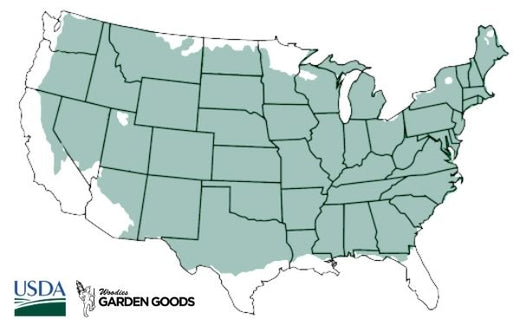
| Hardiness Zone: | 4-8 |
|---|---|
| Mature Height: | 24 to 28 Inches |
| Mature Width: | 36 to 42 Inches |
| Sunlight: | Full sun to partial sun; best flowering with at least 6 hours of direct sunlight |
| Soil | Average to fertile, moderately rich, well-drained soil; acidic to neutral pH |
| Water Requirements: | Average; maintain reasonably consistent moisture without leaving the roots waterlogged |
| Bloom Time / Color | Early summer through late summer; may rebloom into fall; lavender-purple flowers with bright pink eyes and dark purple buds |
| Ornamental Features | Billowy mounded habit; fragrant bicolor flowers; dark buds; clean glossy foliage; flowers carried nearly to the base |
| Wildlife Value | Attracts bees, butterflies and hummingbirds |
| Resistance | Exceptional powdery mildew resistance; deer browsing varies and no perennial should be treated as deer-proof |
| Landscape Uses | Perennial borders; cottage gardens; pollinator gardens; mass plantings; rain-garden edges; cutting gardens; large containers |
How to Care for Cloudburst Phlox
Be sure to read our planting instructions to ensure a healthy and happy Cloudburst Phlox for years to come!
-v1785704196522.png?92x91)
How should I plant Cloudburst Phlox?
Choose a location with full sun, well-drained soil and room for the plant to reach approximately 42 inches wide. Dig a planting hole about twice as wide as the nursery pot but no deeper than the root ball. Set the plant with the top of its root ball level with the surrounding soil. Backfill with the loosened native soil, press gently to remove large air pockets and water thoroughly. Avoid burying the crown too deeply. Space multiple plants approximately 42 inches apart to preserve the naturally broad habit and allow air to circulate around the foliage.
-v1785704197082.png?89x84)
How often should I water Cloudburst Phlox after planting?
Water deeply immediately after planting. During the first growing season, check the soil regularly and water whenever the upper inch or two begins to dry. Newly planted phlox may need water several times per week during hot weather, but the actual frequency will depend on temperature, rainfall, and soil drainage. Once established, Cloudburst Phlox prefers consistent moisture but should not sit in saturated soil. Water at the base of the plant rather than over the leaves. A two-inch layer of mulch can help retain moisture, but keep the mulch from piling directly over the crown.
-v1785704197542.png?90x89)
When should I fertilize Cloudburst Phlox?
Apply a light layer of compost around the plant in early spring as new growth begins. In average garden soil, this may provide all the nutrition Cloudburst needs. Where the soil is lean, use a light application of balanced, slow-release fertilizer according to the product label. A second light feeding shortly before flowering can help plants growing in nutrient-poor soil, but avoid heavy applications of high-nitrogen fertilizer. Overfeeding can create excessive soft growth at the expense of flowers and may reduce the plant’s naturally sturdy habit.

When and how should I prune or cut back Cloudburst Phlox?
Remove faded flower clusters during summer to maintain a clean appearance and encourage additional buds. Make each cut above a healthy set of leaves or a developing side branch rather than cutting the entire plant down while it is actively growing. After frost has browned the stems, cut the old growth back to approximately two or three inches above the soil. The same cleanup can be performed in late winter before new growth begins. Remove any diseased or damaged material rather than leaving it around the crown.