Images Depict Mature Plants
Laura Garden Phlox
Phlox paniculata ‘Laura’
Laura Garden Phlox is one of those classic summer perennials that earns its space by bringing height, fragrance, color, and pollinators all at once. The purple flowers with white eyes are easy to use in a border, and they look especially good with coneflowers, rudbeckia, grasses, and salvia. I would give Laura plenty of sun, steady moisture, and room to breathe. Like most tall phlox, it will look its best when it is not crowded, because airflow is the secret to keeping those summer leaves cleaner.

20% Off Sitewide Sale!
Use Code 'ENDOFSEASON20' At Checkout
📦 Free shipping on orders over $99.
Delay shipping by leaving us a message at Checkout.
Share:

Laura Garden Phlox Brings Fragrant Purple Summer Color to Sunny Borders
A Classic Purple Garden Phlox With White Eyes
Laura Garden Phlox is a tall summer-blooming perennial grown for large clusters of fragrant lavender-purple flowers with bright white eyes. The contrast between the deep flower color and the clean white centers gives this cultivar a crisp, high-impact look in sunny perennial borders, cottage gardens, and cut-flower beds.
This is the kind of phlox that feels timeless in the landscape. It brings height, fragrance, pollinator activity, and rich summer color just when the garden needs a fresh lift. Plant it where the flowers can rise above lower perennials and be enjoyed from walkways, patios, porches, and garden seating areas.
Fragrant Flower Clusters From Mid to Late Summer
Laura Garden Phlox blooms in mid to late summer, often continuing into early fall when conditions are favorable. The flowers are held in large, pyramidal clusters at the tops of upright stems, creating a bold vertical accent that works well in the middle or back of a border.
The fragrance is one of its best features. Plant Laura near outdoor spaces where you can enjoy the scent, or cut flowering stems for fresh arrangements. The blooms pair beautifully with coneflowers, rudbeckia, bee balm, salvia, asters, ornamental grasses, catmint, yarrow, and other warm-season perennials.
A Pollinator-Friendly Perennial for Butterflies and Hummingbirds
Laura Garden Phlox is a strong choice for pollinator gardens because the flowers attract butterflies, hummingbirds, bees, and other beneficial pollinators. The upright bloom clusters make the plant easy for pollinators to find and easy for gardeners to enjoy.
Use it in mixed pollinator plantings, cottage gardens, sunny borders, and wildlife-friendly perennial beds. For the best effect, plant in groups or repeat it throughout the garden so the purple-white flower color creates a rhythmic, moving effect.
Best With Sun, Moisture, and Airflow
Laura Garden Phlox performs best in full sun to part sun with moist, rich, well-drained soil. Consistent moisture helps support strong stems, healthy foliage, and better summer flowering. While phlox does not like soggy soil, it also does not tolerate severe drying during hot weather.
Good airflow is especially important. Garden phlox can be prone to powdery mildew, especially in shade, crowded beds, or humid conditions. Laura is often grown for improved garden performance, but it is still best to plant it with adequate spacing, sun, and air circulation to keep the foliage cleaner throughout the season.
Easy Seasonal Care for Long-Lasting Color
Laura Garden Phlox is easy to maintain with a few smart habits. Water during dry spells, mulch lightly to keep the root zone cool, deadhead spent flowers to keep the plant tidy, and divide clumps every few years if they become crowded.
Cut stems back after frost or in late winter before new growth begins. If your planting is crowded, thinning or dividing helps improve airflow and reduces disease pressure. With the right placement and care, Laura becomes a dependable summer perennial for color, fragrance, and pollinator activity.
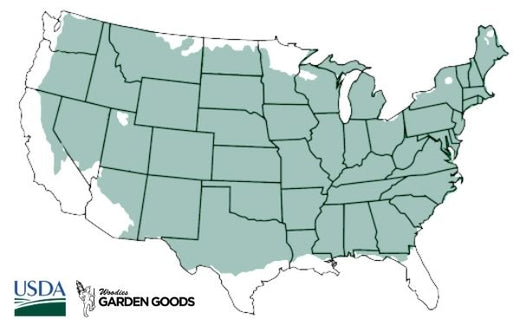
| Hardiness Zone: | 4-8 |
|---|---|
| Mature Height: | 3 to 4 Feet |
| Mature Width: | 2 to 3 Feet |
| Sunlight: | Full sun to part sun; best bloom and cleaner foliage in full sun |
| Bloom Time / Color | Mid to late summer, sometimes into early fall; lavender-purple to purple flowers with white eyes |
| Soil Condition: | Moist, rich, well-drained soil |
| Water Requirements: | Average to consistent moisture; water during dry spells |
| Wildlife Value | Attracts butterflies, hummingbirds, bees, and other pollinators |
| Resistance | Often grown for improved mildew performance, but still benefits from full sun, spacing, and airflow; deer tolerance varies by region |
| Landscape Uses | Perennial borders, cottage gardens, pollinator gardens, butterfly gardens, hummingbird gardens, cut flower gardens, mixed beds, mass plantings |
How to Care for Laura Garden Phlox
Be sure to read our planting instructions to ensure a healthy and happy Laura Garden Phlox for years to come!
-v1785352777936.png?92x91)
How should I plant Laura Garden Phlox?
Plant Laura Garden Phlox in full sun to part sun with moist, well-drained soil. Full sun usually gives the best flowering and helps keep foliage cleaner. In hot climates, light afternoon shade can be helpful, but too much shade may reduce bloom and increase mildew pressure. Dig a hole slightly wider than the root ball and set the crown level with the surrounding soil. Backfill with native soil improved with compost if needed, water deeply, and mulch lightly around the root zone. Keep mulch away from the crown and space plants well to support airflow.
-v1785352778814.png?89x84)
How often should I water Laura Garden Phlox after planting?
Water Laura Garden Phlox deeply after planting and keep the soil evenly moist during the first growing season. New plants need consistent moisture while roots establish, especially during heat, wind, or dry weather. Once established, continue watering during prolonged dry spells. Garden phlox performs best when it does not dry out severely. Water at the base of the plant, when possible, to keep foliage drier and reduce powdery mildew pressure.
-v1785352779314.png?90x89)
When should I fertilize Laura Garden Phlox?
Fertilize Laura Garden Phlox lightly in spring if the soil is lean or growth is weak. A balanced slow-release perennial fertilizer or compost topdressing is usually enough to support healthy growth and flowering. Avoid overfertilizing with high-nitrogen products because soft, lush growth can be more prone to disease and flopping. Good soil, consistent moisture, full sun, and airflow are more important than heavy feeding.

When and how should I prune / cut back Laura Garden Phlox?
Deadhead spent Laura Garden Phlox flower clusters during the bloom season to keep the plant tidy and encourage a cleaner continued display. Cut the faded flower heads back to a healthy leaf or side shoot rather than removing the whole plant. Cut stems back after frost in fall or in late winter before new growth begins. If powdery mildew was present, remove and discard old foliage rather than composting it. Divide crowded clumps every few years to refresh growth and improve air circulation.