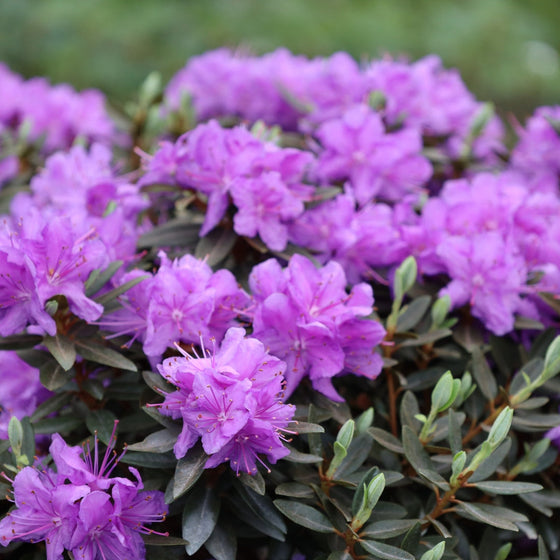
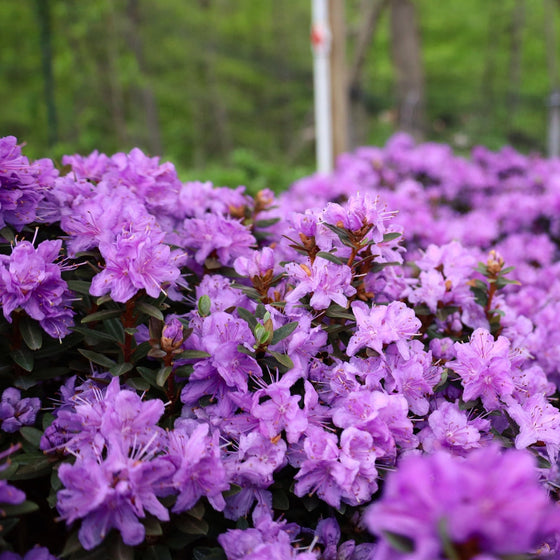


Images Depict Mature Plants
Purple Gem Rhododendron
Rhododendron x 'Purple Gem'
Purple Gem Rhododendron is a great fit when you want true rhododendron color in a smaller package. The purple spring flowers are the show, but the compact evergreen habit is what makes it easy to use around foundations and shaded borders. Give it acidic soil, protection from hot afternoon sun, and steady moisture. If those three things are right, it is a very rewarding small evergreen shrub.

15% OFF SITEWIDE SUMMER SALE
Use Code HELLOSUMMER15 at Checkout!
📦 Free shipping on orders over $99.
Delay shipping by leaving us a message at Checkout.
Share:

A Compact Evergreen Rhododendron with Brilliant Purple Spring Flowers
Vivid Purple Blooms on a Dwarf Evergreen Shrub
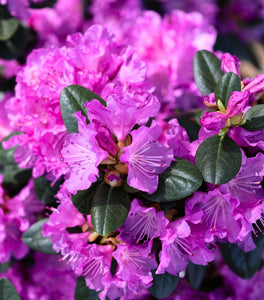
Purple Gem Rhododendron is a compact evergreen shrub grown for its rich purple to violet-blue spring flowers, dense habit, and small-scale landscape structure. This dwarf rhododendron delivers a bold bloom display without the size of larger rhododendron varieties, making it a strong choice for smaller gardens, foundation beds, and front-of-border plantings.
In early to mid spring, the plant becomes covered in clusters of purple flowers that stand out beautifully against the small dark green evergreen leaves. The bloom color gives Purple Gem strong curb appeal, especially when planted near entries, patios, walkways, and shaded garden edges where spring color is easy to see.
Compact Size for Foundations, Borders, and Small Gardens
Purple Gem Rhododendron typically stays much smaller than traditional landscape rhododendrons. Its compact, rounded habit makes it useful for homeowners who want an evergreen structure without a large, mature shrub taking over the space.
Use Purple Gem in foundation plantings, mixed evergreen borders, woodland gardens, small hedges, shaded courtyards, and layered front-yard designs. It pairs especially well with boxwood, hollies, hostas, ferns, hellebores, heuchera, azaleas, hydrangeas, and spring bulbs.
Cold Hardy Color for Part Shade Landscapes
Purple Gem is valued for cold hardiness and spring performance, especially in regions where gardeners need a tougher evergreen rhododendron. Its small leaves and dense habit help it fit neatly into residential landscapes while still delivering a strong seasonal flower show.
For best results, plant it in part shade or filtered sun. Morning sun with afternoon shade is often ideal. Too much hot afternoon sun can stress foliage, while very deep shade may reduce flowering. A protected site also helps reduce winter wind damage on evergreen leaves.
Acidic Soil and Good Drainage Are Essential
Like other rhododendrons, Purple Gem performs best in acidic, organic-rich, well-drained soil. The roots are shallow and do not like heavy clay, soggy conditions, or soil that stays wet for long periods. Good drainage is especially important for long-term success.
When planting, avoid setting the shrub too deeply. Rhododendrons prefer a shallow planting depth with the root flare near the soil surface. Mulch lightly with pine bark, shredded leaves, or similar organic material to help conserve moisture and keep roots cool.
Easy Care with Moisture, Mulch, and Light Pruning
Purple Gem Rhododendron is low-maintenance when planted in the right location. Water regularly after planting until the roots establish, then keep the soil evenly moist during dry periods. Avoid letting the root zone dry out completely, especially in summer heat or winter wind.
Prune lightly after flowering only if shaping is needed. Heavy pruning is usually unnecessary because this cultivar naturally stays compact. Remove dead or damaged branches as needed, and avoid pruning late in the season because that can remove next year’s flower buds.
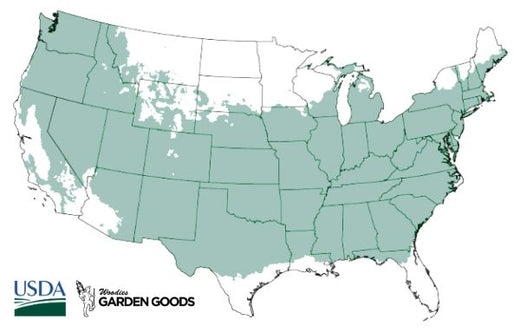
| Hardiness Zone: | 5-8 |
|---|---|
| Mature Height: | 2 to 3 Feet |
| Mature Width: | 3 to 4 Feet |
| Sunlight: | Part shade to filtered sun; morning sun with afternoon shade is ideal |
| Soil | Acidic, organic-rich, moist, well-drained soil |
| Water | Water regularly after planting; prefers even moisture; avoid soggy soil and drought stress |
| Bloom Time / Color | Early to mid spring; purple to violet-blue flowers |
| Foliage | Small, dark green, leathery evergreen leaves; may take on bronze tones in winter |
| Ornamental Features | Compact habit, vivid purple spring flowers, evergreen foliage, dwarf rounded form |
| Wildlife Value | Flowers may attract bees, butterflies, and hummingbirds |
| Resistance | Cold hardy; low maintenance in acidic well-drained soil; avoid hot dry exposure and alkaline soil |
| Landscape Uses | Foundation planting, small evergreen hedge, part-shade border, woodland garden, entry planting, mixed shrub border, small garden accent, mass planting |
How to Care for Purple Gem Rhododendron
vBe sure to read our planting instructions to ensure a healthy and happy Purple Gem Rhododendron for years to come!
-v1746035014201.png?92x91)
How should I plant Purple Gem Rhododendron?
Plant Purple Gem Rhododendron in part shade or filtered sun with acidic, organic-rich, well-drained soil. Choose a protected location with morning sun and afternoon shade if possible. Avoid hot, dry, exposed sites and heavy clay soil that holds water. Dig a wide, shallow planting hole and set the root ball slightly high or level with the surrounding soil. Backfill gently, water thoroughly, and mulch around the root zone with pine bark, shredded leaves, or another organic mulch. Keep mulch away from the main stems.
-v1746035049528.png?89x84)
How often should I water Purple Gem Rhododendron after planting?
Water Purple Gem Rhododendron deeply after planting, then keep the root zone evenly moist while the plant establishes. During the first growing season, check the soil regularly and water when the top few inches begin to dry. Established plants still prefer consistent moisture, especially during summer heat and dry fall weather. Avoid both drought stress and soggy soil. Rhododendrons have shallow roots, so mulch helps protect the root zone and reduce moisture swings.
-v1746035070380.png?90x89)
When should I fertilize Purple Gem Rhododendron?
Fertilize Purple Gem Rhododendron in early spring if growth is weak or soil fertility is low. Use a fertilizer formulated for acid-loving plants, or topdress with compost and pine bark to support steady growth. Avoid heavy fertilizing and do not apply lime around rhododendrons. If foliage appears yellow between the veins, the soil may be too alkaline or drainage may be poor. A soil test is the best way to confirm pH before making corrections.

When and how should I prune Purple Gem Rhododendron?
Prune Purple Gem Rhododendron right after flowering if shaping is needed. Lightly trim stray branches and remove dead, damaged, or crossing stems. Avoid heavy pruning unless the plant truly needs correction. Purple Gem naturally stays compact, and late-season pruning may remove the flower buds that form for next spring’s bloom.