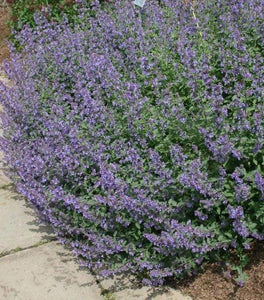
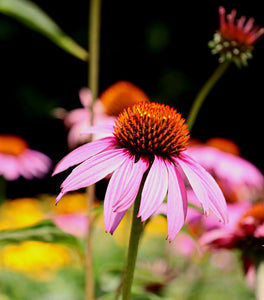
Images Depict Mature Plants
Mountain Mint
Pycnanthemum muticum
Mountain Mint is one of those native perennials I wish more homeowners knew about because it does so many things well at once. The foliage is fragrant, the flowers absolutely hum with pollinators, and the plant has a soft silvery look in bloom that makes it feel far more ornamental than people expect from a native workhorse. For pollinator beds, native borders, and sunny gardens where you want a plant that is beautiful, useful, and ecologically important, this is one of the best perennials you can plant.

15% OFF SITEWIDE, USE CODE 'FALLPLANT15'
📦 Free shipping on orders over $99.
Delay shipping by leaving us a message at Checkout.
Share:Recommended Add-Ons


Fragrant Native Pollinator Color with Summer Blooms and Ecological Garden Value
A Native Perennial That Brings Fragrance, Texture, and Pollinator Power
Mountain Mint is one of the most useful native perennials a homeowner can add to a sunny garden. It combines fragrant foliage, a neat, upright habit, and clusters of pale summer flowers, with an extraordinary ability to attract pollinators and beneficial insects. For gardeners who want a plant that does more than just look good, Mountain Mint brings beauty, biodiversity, and functionality together in one highly rewarding perennial.
The foliage is a big part of what makes it stand out. The leaves release a fresh, minty fragrance when brushed or crushed, giving the plant a sensory presence even before it begins to bloom. Many forms also develop silvery or frosted-looking upper bracts near the flowers, which brighten the plant and make the bloom clusters stand out even more clearly in the summer garden. That extra foliage effect gives Mountain Mint a refined, almost glowing quality that works beautifully in mixed borders and native plantings.
Its upright habit also makes it easy to use in the landscape. Instead of sprawling randomly, it tends to form strong clumps or colonies that can fill space in a way that feels lush but still manageable. That makes it especially valuable for homeowners who want a native perennial that can help knit a planting together without sacrificing structure.
For gardeners looking for a fragrant native perennial that contributes real ecological value while still looking polished in a designed bed, Mountain Mint is an outstanding choice. It has the kind of layered usefulness that makes a garden feel more alive and more intentional.
Summer Blooms Bring One of the Best Pollinator Shows in the Garden
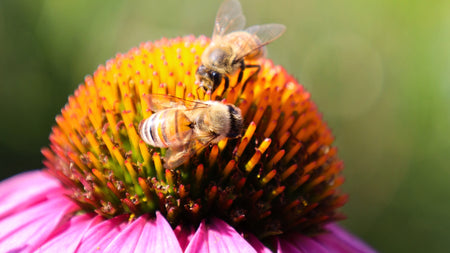
Mountain Mint is especially famous for what happens when it flowers. From midsummer through late summer, and often into early fall, it produces clusters of small, pale flowers in white to soft lavender tones that become magnets for pollinators. Bees, butterflies, wasps, beetles, flies, and other beneficial insects swarm the blooms, often making this one of the busiest plants in the entire garden.
That pollinator value is one of the biggest reasons homeowners seek it out. While many perennials attract a few visitors here and there, Mountain Mint often becomes a true hub of activity. For gardeners building a pollinator border, native planting, or wildlife-friendly landscape, this plant does real work. It supports beneficial insects at a key time in the season when warm-weather flowers are especially important for maintaining activity in the garden.
The bloom display also has a soft, airy beauty that complements a wide range of planting styles. It is not a bold, heavy flower show. Instead, it creates a lighter cloud of bloom and silvery foliage that feels fresh and animated. That softer effect makes it especially good for meadow-style planting, naturalistic borders, and looser cottage-inspired combinations.
For homeowners who want a plant that turns the garden into a more dynamic, living space, Mountain Mint is hard to beat. It offers bloom, fragrance, and constant beneficial insect activity during the heart of summer.
A Strong Fit for Native Borders, Mass Planting, and Ecological Landscapes
Mountain Mint works especially well in landscapes where homeowners want both beauty and ecological function. It is an excellent choice for pollinator gardens, native borders, meadow-style planting, sunny mixed beds, and massed perennial areas where a plant needs to do more than provide a quick flush of flowers. Because it combines structure, fragrance, and pollinator value, it can serve as both a design plant and a habitat plant.
Its mature size makes it especially practical. Mountain Mint generally grows in the range of about 2 to 3 feet tall and about 2 to 3 feet wide, depending on the exact species or selection and the growing conditions. That size allows it to hold its own in a mixed border while still being manageable in residential landscapes. It works especially well in the middle of a border, repeated in drifts, or along sunnier edges where the flowers and foliage can be appreciated close up.
It is also useful in more naturalized spaces where homeowners want a plant that gradually fills in and softens a planting. Mountain Mint can spread by rhizomes, which makes it valuable for creating colonies and suppressing weeds in larger native-style beds. At the same time, it is usually easy to control if the gardener wants to manage the spread more tightly.
For homeowners looking to create a more resilient, pollinator-friendly garden with a strong native character, Mountain Mint is one of the best perennials available. It helps a planting feel fuller, more active, and more connected to the natural landscape.
Easy-Care Growth with Fragrant Foliage and Strong Garden Performance
Mountain Mint performs best in full sun to partial shade and in well-drained soil with average to moderate moisture. It is adaptable and can handle a range of soil types, including drier and even somewhat clay-based conditions once established. That adaptability is part of what makes it so useful for everyday landscapes, especially for homeowners who want native performance without high-maintenance fuss.
During establishment, regular watering helps Mountain Mint root in and settle properly. Once established, it becomes notably drought-tolerant and can handle warm, sunny conditions with much less supplemental water than many traditional flowering perennials. It is also generally considered deer-resistant, which adds another layer of value in landscapes where browsing pressure can limit plant choices.
Maintenance is simple. A light pinch or trim in late spring can encourage denser branching and a bushier habit, especially if homeowners want a slightly tidier look. At the end of the season or in late winter, old stems can be cut back to make room for fresh growth. Because it spreads by rhizomes, occasional thinning or dividing can also help keep the clump looking its best and maintain clear boundaries where needed.
For gardeners who want a fragrant, pollinator-rich native perennial with a straightforward care routine, Mountain Mint is a very rewarding option. It offers a lot of beauty and ecological value without asking for a lot in return.
2025 Perennial of the Year
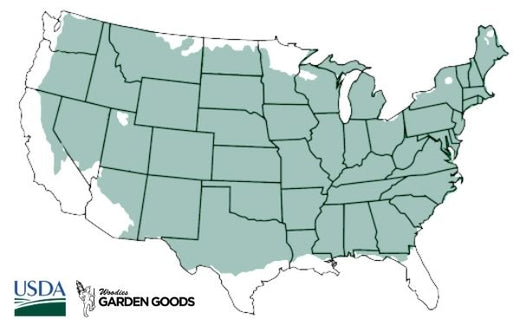
| Hardiness Zone: | 4-8 |
|---|---|
| Height: | 24 to 36 Inches |
| Width: | 24 to 36 Inches |
| Sunlight: | Full sun to partial shade |
| Bloom Time / Color | Summer into early fall; small white to pale lavender flowers |
| Soil Condition: | Well-drained soil; adaptable to average, clay, rocky, and moderately dry soils |
| Water Requirements: | Moderate during establishment; drought tolerant once established |
| Wildlife Value | Exceptional pollinator value for bees, butterflies, and beneficial insects |
| Resistance (deer/disease/drought/etc.) | Deer resistant, drought tolerant once established, low-maintenance, spreads by rhizomes |
| Landscape Uses | Pollinator garden, native border, meadow planting, mass planting, sensory garden, container planting |
How to Care for Mountain Mint
Before you buy Mountain Mint, make sure to read about the recommended care instructions to keep this plant healthy and thriving.

How should I plant Mountain Mint?
Plant Mountain Mint in full sun to partial shade in well-drained soil. Dig a hole about twice as wide as the root ball and no deeper than the root ball itself, then set the plant so the crown sits level with the surrounding soil and backfill with the native soil. Water thoroughly after planting and leave enough room for the plant to mature and spread gradually over time. This perennial works especially well in pollinator gardens, native borders, and sunny mixed beds where the fragrant foliage and summer blooms can be enjoyed up close.

How often should I water Mountain Mint after planting?
Water Mountain Mint deeply right after planting, then keep the soil evenly moist during the establishment period. In the first growing season, that usually means watering during dry spells so the roots can settle in and build a strong base. Once established, Mountain Mint becomes notably drought-tolerant and usually needs supplemental water only during extended hot or dry weather. It prefers well-draining soil, so deep watering during dry periods is more useful than keeping the plant constantly wet.

When should I fertilize Mountain Mint?
Mountain Mint generally needs very little fertilizer. If the soil is especially poor, a light topdressing of compost or a small amount of balanced slow-release fertilizer in spring is enough to support healthy growth. Avoid heavy feeding, because this plant performs well in average to leaner conditions and does not need aggressive fertilizing to bloom and spread successfully. In most gardens, sunlight, drainage, and steady establishment matter more than rich soil.

When and how should I prune Mountain Mint?
Mountain Mint can be pinched or lightly trimmed in late spring to encourage a fuller, bushier plant. During the growing season, you can remove spent flower stems if you want a tidier look, though many gardeners leave the blooms to enjoy the pollinator activity and natural appearance. Cut the old stems back at the end of the season or in late winter to make room for fresh new growth. If the plant begins spreading farther than desired, you can also divide or thin the clump to keep it within bounds.