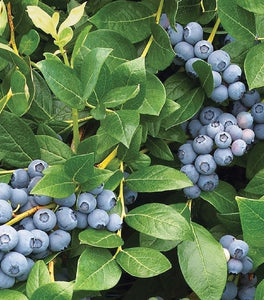
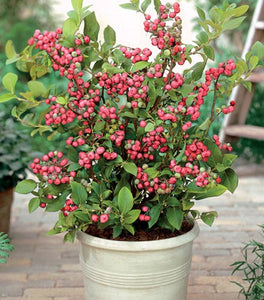
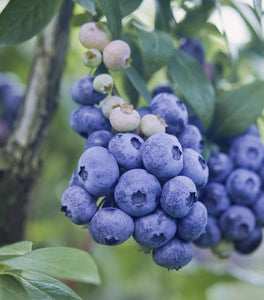
Images Depict Mature Plants
Jersey Blueberry Bushes
Vaccinium corymbosum 'Jersey'
Jersey is a good blueberry when you want a vigorous highbush variety that helps stretch the harvest later into the season. I would not use it as the only blueberry in a small garden if space is tight, but it makes a lot of sense in a berry row or edible hedge with earlier varieties like Duke, Patriot, or Bluecrop. Give it acidic soil, mulch those shallow roots, keep it watered while fruit is sizing up, and prune it every year so the plant stays open and productive.

20% Off Sitewide Sale!
Use Code 'ENDOFSEASON20' At Checkout
📦 Free shipping on orders over $99.
Delay shipping by leaving us a message at Checkout.
Share:

Jersey Blueberry Bushes Extend the Harvest With Sweet Late-Season Fruit
Sweet Blueberries Later in the Season
Jersey Blueberry Bushes are vigorous northern highbush blueberries grown for sweet blue fruit, dependable growth, and a later harvest window than many popular early and midseason blueberry varieties. The berries are excellent for fresh eating, baking, freezing, jams, smoothies, pancakes, and backyard picking as the summer blueberry season stretches into its later weeks.
For homeowners who want a longer blueberry harvest, Jersey is especially useful when planted with earlier varieties such as Duke, Patriot, or Bluecrop. Instead of one short picking window, a mixed planting can give you waves of fresh berries over a longer season. Jersey helps fill the late-season role while also providing flowers, foliage, and fall color as an attractive landscape shrub.
A Vigorous Northern Highbush Blueberry
Jersey Blueberry is a northern highbush blueberry cultivar with a vigorous, upright habit. It can grow into a substantial fruiting shrub, commonly reaching about 6 to 8 feet tall and wide in home landscapes when mature and well-grown. This makes it a strong choice for edible hedges, berry rows, sunny borders, and larger backyard fruit plantings.
Because Jersey is larger than compact blueberry selections, give it enough room to develop a full framework of productive canes. Its size can be an advantage when you want a productive fruiting hedge or a blueberry shrub that has real landscape presence. With proper pruning, it can remain open, healthy, and easier to harvest.
Spring Flowers, Summer Fruit, and Fall Color
Jersey Blueberry offers more than fruit alone. In spring, clusters of small, white, bell-shaped flowers appear along the branches, attracting pollinators. These flowers develop into blueberries through summer, giving the shrub edible value as well as ornamental interest.
After harvest, the foliage helps carry the plant into fall with red, orange, burgundy, or purple tones depending on weather and site conditions. That makes Jersey useful in edible landscapes where plants need to look good beyond the harvest season. It can be planted in fruit gardens, pollinator borders, mixed shrub beds, or along sunny property lines where flowers, berries, and fall foliage can all be enjoyed.
Plant With Another Blueberry for Better Yields
Jersey Blueberry is generally considered self-fertile, meaning one plant can produce fruit. However, blueberries typically produce larger berries and heavier crops when another compatible blueberry variety is planted nearby. For best results, pair Jersey with another northern highbush blueberry that blooms at the same time.
Good companion choices include Bluecrop, Duke, Patriot, Blueray, or other compatible highbush varieties. Planting multiple varieties can also stretch the harvest season, improve pollination, and make the blueberry planting more productive overall. For homeowners who want more than a small snack harvest, planting at least two blueberry bushes is the smarter plan.
Acidic Soil Is Essential for Success
Jersey Blueberry needs acidic, organic-rich, moist, well-drained soil. Blueberries are shallow-rooted shrubs that struggle when planted in alkaline soil, compacted ground, or poorly drained sites. A soil test before planting is strongly recommended so the pH can be adjusted before the plant goes into the ground.
Mulch is one of the best tools for blueberry success. Pine bark, pine needles, aged wood chips, or shredded leaves help protect shallow roots, conserve moisture, and keep the soil cooler in summer. Keep the soil evenly moist from bloom through harvest, especially while berries are sizing up. Good soil preparation, steady moisture, and correct pH are the keys to strong Jersey Blueberry performance.
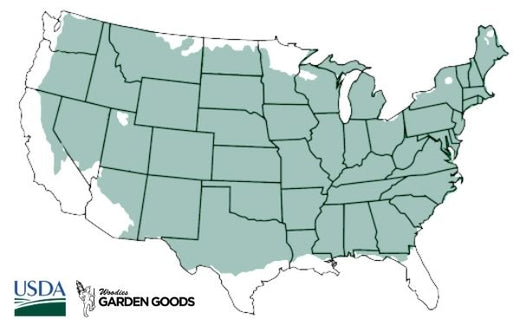
| Hardiness Zone: | 4-8 |
|---|---|
| Mature Height: | 6 to 8 Feet |
| Mature Width: | 6 to 8 Feet |
| Sunlight: | Full sun to part shade; full sun supports best fruiting |
| Soil | Acidic, organic-rich, moist, well-drained soil |
| Water Requirements: | Keep evenly moist, especially during establishment, bloom, fruit set, and harvest |
| Bloom Time / Color | Spring; white bell-shaped flowers, sometimes with a pale pink tinge |
| Fruit / Harvest | Sweet blue berries; mid-to-late or late-season harvest depending on region |
| Foliage | Green summer foliage with red, orange, burgundy, or purple fall color |
| Ornamental Features | Edible berries, spring flowers, fall foliage, upright habit, fruiting hedge value |
| Wildlife Value | Flowers support pollinators; fruit attracts birds unless protected |
| Resistance | Vigorous grower; typical blueberry pest and disease monitoring still applies |
| Landscape Uses | Edible gardens, fruiting hedges, backyard berry patches, sunny borders, mixed shrub beds, pollinator gardens, edible landscapes |
How to Care for Jersey Blueberry Bushes
Be sure to read our planting instructions to ensure a healthy and Productive Jersey Blueberry Bush for years to come!
-v1784207181768.png?92x91)
How should I plant Jersey Blueberry Bushes?
Plant Jersey Blueberry Bushes in full sun to part shade with acidic, organic-rich, moist, well-drained soil. Full sun is best for the heaviest flowering and fruiting. Before planting, test the soil pH so you know whether the site needs sulfur or other acidifying amendments. Dig a wide planting hole and set the root ball level with or slightly above the surrounding soil. Backfill with prepared soil, water deeply, and mulch with pine bark, pine needles, aged wood chips, or shredded leaves. Keep mulch a few inches away from the main stems to prevent excess moisture against the crown.
-v1784207216028.png?89x84)
How often should I water Jersey Blueberry Bushes after planting?
Water Jersey Blueberry Bushes deeply after planting and keep the soil evenly moist during the first growing season. Blueberries have shallow roots, so they can dry out quickly during heat, wind, flowering, and fruit development. Check soil moisture regularly and water when the top inch or two begins to dry. Once established, Jersey Blueberry still performs best with consistent moisture, especially from bloom through harvest. Avoid letting the root zone dry out completely, but do not allow the plant to sit in standing water. Mulch helps conserve moisture and protect the shallow root system.
-v1784207232422.png?90x89)
When should I fertilize Jersey Blueberry Bushes?
Fertilize Jersey Blueberry Bushes in spring with a fertilizer formulated for acid-loving plants. For new plantings, wait until the plant begins settling in before applying fertilizer, and always keep fertilizer away from the crown and stems. Established blueberries can be fertilized around bloom time, with a second light feeding if needed. Avoid late-season fertilizing because tender new growth can be more vulnerable to winter injury. Do not apply lime around blueberries, and avoid high-pH composts or fertilizers that raise soil alkalinity. A correct soil pH, steady moisture, and mulch are just as important as feeding.

When and how should I prune / cut back Jersey Blueberry Bushes?
Prune Jersey Blueberry Bushes in late winter or early spring while the plant is dormant. During the first few years, focus on removing dead, damaged, weak, or crossing branches. Many gardeners remove flowers during the planting year so the shrub can put more energy into roots and strong cane development. Once established, prune annually to keep the plant open and productive. Remove older, weak, low, or crowded canes and encourage strong new growth from the base. Blueberries fruit best on healthy young wood, so pruning helps maintain fruit size, airflow, and long-term productivity.