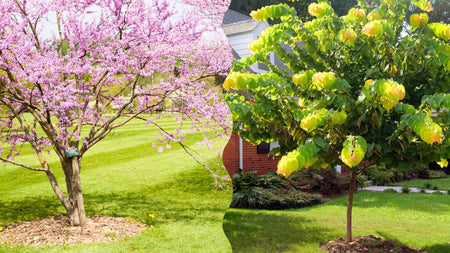
Images Depict Mature Plants
Hearts A’Fire™ Redbud Tree
Cercis canadensis 'JN100'
Hearts A’Fire is the kind of redbud that earns attention even after the spring flowers are finished. The dark pink blooms start the show, but the fiery red, orange, burgundy, gold, and chartreuse new growth is what makes it special. I would use it where customers can see it up close—near an entry, patio, or front walk—because the foliage color changes are worth noticing. Give it good drainage, steady water while it establishes, and enough room to become a rounded focal point.

20% Off Sitewide Sale!
Use Code 'ENDOFSEASON20' At Checkout
📦 Free shipping on orders over $99.
Delay shipping by leaving us a message at Checkout.
Share:


Hearts A’Fire Redbud Tree Sets the Landscape Ablaze With Spring Flowers and Fiery Foliage
Dark Pink Spring Blooms Before the Leaves
Hearts A’Fire™ Redbud Tree is a colorful Eastern Redbud selection grown for its dark-pink spring flowers and brilliant multitone foliage. In early spring, clusters of deep pink to rosy pink blooms appear along bare branches before the leaves emerge, giving the tree a strong first show as the landscape wakes up.
These early blooms make Hearts A’Fire a standout front-yard tree, patio accent, or small-space specimen. The flowers also support early-season pollinators, enhancing the ecological value of their ornamental display. Once the flowers fade, the foliage takes over, turning this redbud into a season-long color feature.
Fiery New Growth in Red, Orange, Burgundy, and Gold
The foliage is the signature feature of Hearts A’Fire Redbud. New heart-shaped leaves emerge in vivid shades of red, burgundy, orange, tangerine, gold, and chartreuse before gradually maturing toward green. Because new growth continues to flush through the season, the tree can hold colorful accents longer than many traditional redbuds.
This gives Hearts A’Fire a dynamic, changing look rather than a single flat foliage color. Younger leaves bring the flame-colored show, while older leaves settle into greener tones. The result is a layered canopy with warm color, contrast, and movement from spring into summer, followed by another warm color shift as fall approaches.
A Small Ornamental Tree With Big Curb Appeal
Hearts A’Fire Redbud typically matures to 10 to 15 feet tall and wide, with some sources describing a possible mature range of 10 to 15 feet under ideal conditions. Its upright, rounded habit makes it useful as a small ornamental tree without overwhelming the average home landscape.
Use Hearts A’Fire as a specimen tree near an entry, a focal point in a front yard, an accent near a patio, or a colorful feature in a mixed border. It is especially helpful where you want the native charm of an Eastern Redbud with a more dramatic foliage show than the straight species.
Best in Sun to Part Shade and Well-Drained Soil
Hearts A’Fire Redbud grows best in full sun to part shade with moist, well-drained soil. Full sun encourages the strongest foliage color, while part shade can help reduce stress in hot climates. Like other redbuds, it does not like wet, poorly drained sites, so avoid low areas where water sits after rain.
Water regularly during the first growing season to help establish the root system. Mulch around the root zone to conserve moisture and protect shallow roots, but keep mulch pulled away from the trunk. Once established, Hearts A’Fire becomes easier to maintain, but it will still look best with supplemental water during extended drought.
A Colorful Redbud for Small Yards, Patios, and Pollinator Gardens
Hearts A’Fire is a great choice for homeowners who want a tree with spring flowers, colorful foliage, and a manageable size. It gives you the familiar heart-shaped leaves and native redbud character, but with a fiery foliage display that feels more modern and dramatic.
Plant it where the color can be appreciated up close: near a front walk, patio, porch, driveway entrance, or garden seating area. Pair it with boxwood, inkberry holly, oakleaf hydrangea, fothergilla, Virginia sweetspire, hostas, heuchera, hellebores, carex, sedges, and spring bulbs for a layered landscape that looks alive from early spring through fall.
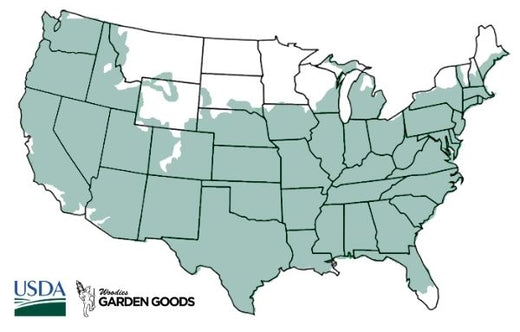
| Hardiness Zone: | 5-9 |
|---|---|
| Mature Height: | 10 to 15 Feet |
| Mature Width: | 10 to 15 Feet |
| Sunlight | Full sun to part shade |
| Soil | Moist, average, well-drained soil; avoid wet, poorly drained sites |
| Water | Water regularly until established; provide supplemental water during drought |
| Bloom Time / Color | Early spring; dark pink to rosy-pink flowers before leaves emerge |
| Foliage | Heart-shaped leaves emerge red, burgundy, orange, tangerine, gold, and chartreuse before maturing greener |
| Ornamental Features | Dark pink spring flowers, fiery new foliage, heart-shaped leaves, upright rounded habit, fall color, small-tree size |
| Wildlife Value | Spring flowers support early pollinators |
| Resistance | Patent notes foliage resistance to summer leaf scorch in Southern climates; deer resistance is variable |
| Landscape Uses | Front yards, patios, small yards, specimen plantings, mixed borders, pollinator gardens, entry plantings, colorful focal points |
How to Care for Hearts A’Fire™ Redbud Tree
After you purchase your Hearts A’Fire Redbud Tree, be sure to read the recommended care instructions to ensure your plant stays happy and healthy for years to come!

How should I plant Hearts A’Fire Redbud Tree?
Plant Hearts A’Fire Redbud Tree in full sun to part shade with moist, well-drained soil. Choose the location carefully before planting because redbuds generally do not like being moved once established. Avoid low, soggy areas where water collects around the roots. Dig a hole about two to three times wider than the root ball and about the same depth as the container. Set the root flare at or slightly above soil level, backfill with native soil, water deeply, and mulch over the root zone while keeping mulch away from the trunk.

How often should I water Hearts A’Fire Redbud Tree after planting?
Water Hearts A’Fire Redbud Tree deeply after planting and keep the soil evenly moist during the first growing season. Newly planted trees need steady moisture while roots establish, especially during hot, dry, or windy weather. Once established, Hearts A’Fire can handle normal garden conditions, but it will look best with supplemental water during extended drought. Water deeply rather than shallowly, and avoid keeping the root zone constantly wet. Mulch helps conserve moisture and protect the root system.

When should I fertilize Hearts A’Fire Redbud Tree?
Fertilize Hearts A’Fire Redbud Tree in early spring before new growth begins if the tree is growing slowly or the soil is poor. Use a balanced slow-release tree and shrub fertilizer or topdress with compost around the root zone. Avoid overfertilizing, especially with high-nitrogen fertilizer, because it can push soft growth rather than improve tree structure. In healthy soil, Hearts A’Fire usually needs only light feeding. Proper planting, drainage, watering, and mulching are more important than frequent fertilizer applications.

When and how should I prune / cut back Hearts A’Fire Redbud Tree?
Prune Hearts A’Fire Redbud Tree lightly in late winter or after flowering to remove dead, damaged, crossing, or poorly placed branches. Avoid heavy pruning unless structural correction is needed. Redbuds look best when their natural branching pattern is preserved. Use clean, sharp pruners and avoid leaving long stubs. Remove suckers or unwanted low shoots as needed, and prune young trees to encourage a strong framework. Good structure early on helps the tree handle wind, rain, and seasonal growth more gracefully as it matures.