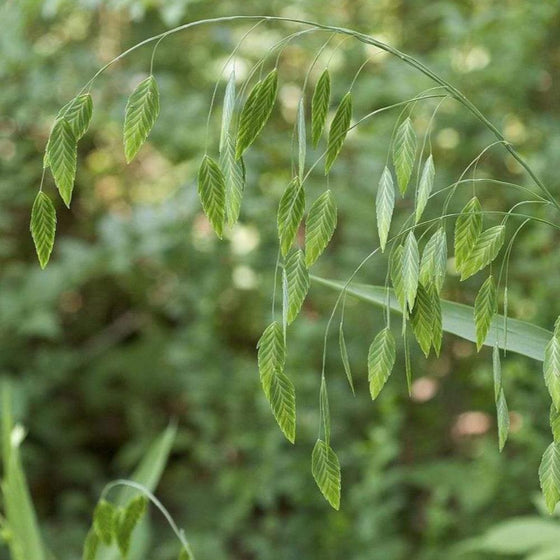


Images Depict Mature Plants
Northern Sea Oats
Chasmanthium Latifolium
Northern Sea Oats is one of the best native grasses for gardeners who need texture in part shade. The dangling seed heads are the whole show—they start green, age to bronze, and move beautifully in the breeze. I like it most in woodland edges, rain garden edges, and naturalized slopes where reseeding is a benefit. In small formal beds, be ready to cut the seed heads before they drop if you want to keep it tighter.

15% OFF SITEWIDE, USE CODE 'USA250'
PLUS PLANT-A-TREE WITH EVERY PURCHASE
📦 Free shipping on orders over $99.
Delay shipping by leaving us a message at Checkout.
Share:


A Native Grass with Dangling Seed Heads and Woodland Texture
Distinctive Oat-Like Seed Heads That Move in the Breeze
Northern Sea Oats is a native ornamental grass known for its flat, dangling seed heads that resemble clusters of oats. Botanically known as Chasmanthium latifolium, this easy-to-grow grass adds movement, texture, and a natural woodland look to part-shade gardens, slopes, rain garden edges, and native plantings.
The seed heads emerge green in summer and gradually mature to bronze, copper, tan, or purplish tones by late summer and fall. They flutter in the lightest breeze, adding motion and sound to the garden while creating excellent late-season and winter interest.
A Shade-Tolerant Ornamental Grass
Unlike many ornamental grasses, which need full sun, Northern Sea Oats performs well in partial shade and woodland-edge conditions. It can also grow in full sun when soil moisture is consistent, making it adaptable across many garden settings.
Use it under high-branched trees, along woodland paths, at the edge of rain gardens, near stream banks, on shaded slopes, or in informal borders where a softer native grass can help knit the planting together. In deeper shade, plants may be looser but still useful for texture and seed-head interest.
Excellent for Naturalizing, Slopes, and Erosion Control
Northern Sea Oats is a strong choice for naturalized plantings because it can spread by seed and rhizomes when conditions are favorable. This makes it useful on slopes, along banks, in woodland meadows, and in larger native beds where coverage and soil-holding value are helpful.
In smaller formal gardens, the same reseeding habit should be managed. Remove seed heads before they drop if you want fewer seedlings, or thin unwanted plants in spring. When used in the right place, Northern Sea Oats becomes a dependable low-maintenance grass with a natural, layered look.
Fall Color and Winter Interest
The broad, bamboo-like leaves are fresh green during the growing season and often shift to bronze, copper, or warm tan tones in fall. The seed heads remain attractive as they dry, giving the plant structure after frost.
Leave the stems standing through winter for texture and movement, then cut the clump back in late winter or early spring before new growth begins. The dried seed heads are also useful in cut-and-dried arrangements.
Low-Maintenance Native Grass for Part Shade
Plant Northern Sea Oats in part shade to full sun with average to moist, well-drained soil. It is adaptable to clay, loam, and sandy soils, and to streamside conditions, but it performs best with consistent moisture and some protection from harsh, dry heat.
Once established, it is low-maintenance and generally considered deer-resistant. It can tolerate occasional dry periods, but best growth and seed-head production come from steady moisture and a site where the plant has room to naturalize.
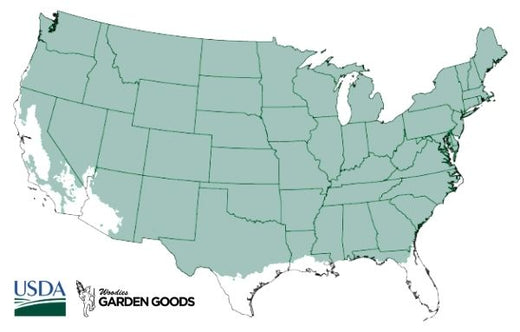
| Hardiness Zone: | 3-9 |
|---|---|
| Mature Height: | 3 to 4 Feet |
| Mature Width: | 2 to 3 Feet |
| Sunlight: | Part shade preferred; tolerates full sun with moisture and full shade with looser growth |
| Soil | Average to fertile, moist, well-drained soil; adapts to clay, loam, sandy, and streamside soils |
| Water Requirements: | Water regularly after planting; prefers consistent moisture; tolerates occasional drought once established |
| Bloom Time / Color | Summer; green oat-like seed heads mature to bronze, copper, tan, or purplish-brown |
| Ornamental Features | Dangling oat-like seed heads, native grass texture, fall color, winter interest, movement in wind |
| Wildlife Value | Seeds may provide food for birds; clumps provide cover; supports native garden habitat |
| Resistance | Generally deer resistant; low maintenance; tolerant of shade, wet soil, clay, and occasional drought once established |
| Landscape Uses | Woodland garden, part shade border, native planting, slope planting, erosion control, rain garden edge, stream bank, naturalized meadow, shaded path, informal groundcover, dried arrangements |
How to Care for Northern Sea Oats
Before you buy Northern Sea Oats, be sure to read about the recommended care instructions to ensure your plant stays happy and healthy for years to come!

How should I plant Northern Sea Oats?
Plant Northern Sea Oats in part shade to full sun with average to moist, well-drained soil. Choose a location where its dangling seed heads can move freely and where the plant has room to naturalize, such as a woodland edge, shaded border, slope, rain garden edge, stream bank, or native planting. Dig a hole about as wide as the root ball and just as deep. Set the crown level with the surrounding soil, backfill gently, and water thoroughly. Space plants about 18–24 inches apart for a natural mass or for erosion control.

How often should I water Northern Sea Oats after planting?
Water Northern Sea Oats deeply after planting, then keep the soil evenly moist while roots establish. During the first growing season, water when the top few inches of soil begin to dry, especially in full sun or hot weather. Established plants can tolerate occasional dry periods, but they look best and produce the strongest seed heads with consistent moisture. In dry shade, growth may be thinner and less lush.

When should I fertilize Northern Sea Oats?
Northern Sea Oats usually needs little fertilizer in average garden soil. A light spring topdressing of compost is enough for most plantings. Avoid heavy fertilizing, which can encourage soft or floppy growth. Good moisture, proper spacing, and the right light exposure are more important than frequent feeding.

When and how should I prune Northern Sea Oats?
Cut Northern Sea Oats back in late winter or early spring before new growth begins. Use shears or pruners to cut the old stems down to a few inches above the ground. Leave the seed heads standing through winter if you want texture, movement, and wildlife value. If you want to reduce reseeding, remove seed heads before they drop seed in fall.