Images Depict Mature Plants
Common Yarrow (Achillea Millefolium)
Achillea millefolium
Common Yarrow is a workhorse perennial for sunny, lower-water gardens. The white blooms have that easy meadow look, the ferny foliage softens bolder plants, and the pollinator value is excellent. It is especially useful for gardeners who want something deer resistant, drought-tolerant once established, and tough enough for slopes, cottage gardens, and naturalized perennial beds.

20% OFF SITEWIDE SALE
Use Code 'OCTOBER20' At Checkout
📦 Free shipping on orders over $99.
Delay shipping by leaving us a message at Checkout.
Share:Recommended Add-Ons


A Tough Native-Style Yarrow for Pollinators, Meadows, and Sunny Gardens
Classic White Flowers on a Durable Perennial
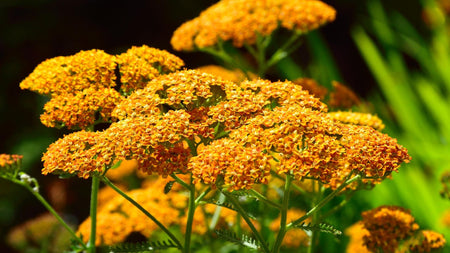
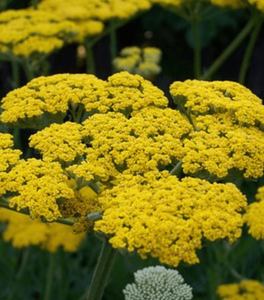
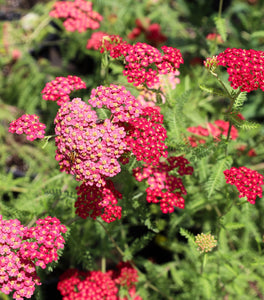
Common Yarrow is a dependable, easy-care perennial grown for its flat clusters of small white flowers, finely divided fern-like foliage, and rugged performance in sunny landscapes. This adaptable plant brings a soft, meadow-inspired look to perennial borders, pollinator gardens, cottage gardens, and naturalized areas, and requires very little fuss once established.
Achillea millefolium is especially useful for gardeners who want a plant that looks light and airy but performs with real toughness. Its aromatic foliage and upright flower stems add texture among bolder perennials, while its summer blooms help brighten dry sunny spaces where many thirstier plants struggle.
Summer Blooms with Soft Texture and Natural Movement
Common Yarrow blooms in summer, producing broad, flat-topped clusters of small white flowers above feathery green foliage. The flower shape gives the plant a distinct horizontal texture that contrasts beautifully with spiky salvia, daisy-like coneflowers, rounded sedum, ornamental grasses, and airy Russian sage.
The flowers are also useful beyond the garden bed. Yarrow is valued as a cut flower and dried flower because the blooms hold their shape well. Left in the landscape, the spent flower heads can add texture for a time, though trimming after bloom can encourage tidier growth and may support additional flowering.
A Smart Fit for Meadows, Borders, Slopes, and Cottage Gardens
Achillea millefolium works especially well in informal, sunny planting designs. Use it in pollinator gardens, meadow-style plantings, cottage borders, dry slopes, herb gardens, and naturalized perennial beds. Its spreading habit can help fill open space, stabilize light soils, and create a relaxed, layered look.
Because this is a species yarrow rather than a compact named cultivar, it is best placed where a natural, spreading habit is welcome. It can be used in more managed borders, but gardeners should allow room for it to form colonies over time or trim and divide as needed to keep it in bounds.
Deer Resistant, Drought Tolerant, and Valuable for Pollinators
Common Yarrow is a strong choice for sunny, lower-water landscapes. Once established, it is drought-tolerant and performs well in average to lean, well-drained soil. It is also generally considered deer-resistant, thanks in part to its aromatic foliage, though browsing can increase when deer pressure is high.
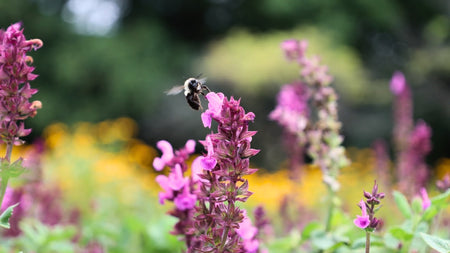
The flowers attract bees, butterflies, and other beneficial insects, making Achillea millefolium a valuable addition to pollinator-friendly gardens. Its long bloom window and accessible flower clusters help support garden wildlife while still giving homeowners a tough, attractive perennial for everyday landscape use.
Easy Care in Full Sun and Well-Drained Soil
Plant Common Yarrow in full sun for the strongest growth, best flowering, and most compact habit. It can tolerate poor or lean soils, but drainage is important. Avoid wet, heavy locations where the roots may stay soggy, especially in winter.
Water regularly after planting until the root system is established, then reduce watering. Avoid overfertilizing, as rich soil and excess fertilizer can lead to floppy growth. Cut back spent flower stems after bloom for a cleaner look, and divide clumps when needed to refresh growth or control spreading.
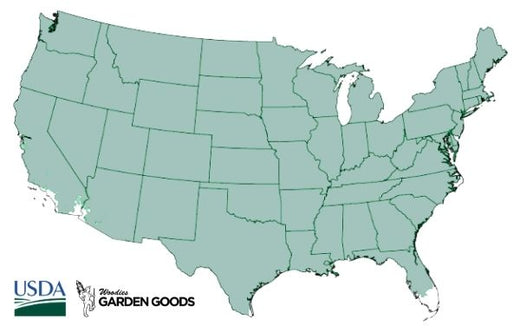
| Hardiness Zone: | 3-9 |
|---|---|
| Mature Height: | 1 to 3 Feet |
| Mature Width: | 1 to 3 Feet |
| Sunlight: | Full sun; tolerates light shade, with best flowering in full sun |
| Soil | Average to lean, dry to medium, well-drained soil; tolerates poor soil |
| Water | Water regularly after planting; drought tolerant once established |
| Bloom Time / Color | Summer; white flat-topped flower clusters |
| Ornamental Features | White flower clusters, soft fern-like foliage, meadow texture, cut and dried flower value |
| Wildlife Value | Attracts bees, butterflies, and beneficial pollinators |
| Resistance | Generally deer resistant; drought tolerant once established; tolerant of poor soil and dry conditions |
| Landscape Uses | Pollinator gardens, meadow plantings, cottage gardens, perennial borders, slopes, naturalized areas, cut flower gardens |
How to Care for Common Yarrow (Achillea Millefolium)
Be sure to read our planting instructions to ensure a healthy and happy Common Yarrow for years to come!
-v1781106273184.png?92x91)
How should I plant Common Yarrow?
Plant Common Yarrow in a sunny location with well-drained soil. Choose a spot that receives at least 6 hours of direct sun each day for the strongest stems and best flowering. Yarrow can tolerate poor or lean soil, so avoid overly rich amendments unless your soil is extremely compacted or drains poorly. Dig a hole about as wide as the root ball and just as deep. Set the plant so the crown sits level with the surrounding soil, backfill gently, and water well to settle the roots. Space plants about 18–24 inches apart, or give them more room in meadow-style plantings where spreading is welcome.
-v1781106274005.png?89x84)
How often should I water Common Yarrow after planting?
Water Common Yarrow thoroughly after planting, then keep the soil lightly moist while the roots establish. During the first growing season, check the soil regularly and water when the top few inches feel dry, especially during hot or windy weather. Once established, Common Yarrow is drought-tolerant and usually needs little supplemental water in the ground. Avoid frequent watering or soggy soil, which can weaken the plant and lead to root problems. Containers dry out faster and should be checked more often.
-v1781106274785.png?90x89)
When should I fertilize Common Yarrow?
Common Yarrow usually does not need much fertilizer. In average garden soil, it often performs best with little feeding because leaner conditions help encourage sturdier stems and a more natural habit. If growth is weak, apply a light layer of compost in spring or use a mild slow-release fertilizer at a low rate. Avoid heavy feeding or high-nitrogen fertilizer, which can cause floppy growth and reduce the tidy structure of the plant.

When and how should I prune Common Yarrow?
Prune Common Yarrow after the first main bloom by cutting spent flower stems back to tidy the plant and encourage fresh growth. In many gardens, a light shearing after flowering can help promote a cleaner habit and may encourage additional bloom. In late winter or early spring, remove old stems and tired foliage before new growth fills in. If the plant spreads beyond its intended space, divide clumps in spring or fall and replant only the sections you want to keep.