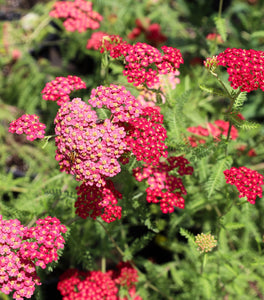
Images Depict Mature Plants
Terracotta Yarrow
Achillea millefolium 'Desert Eve™ Terracotta'
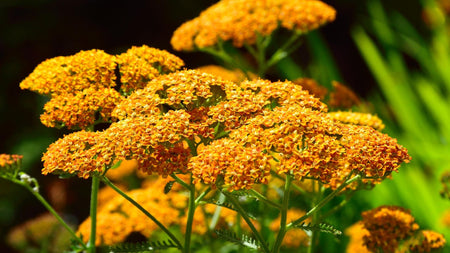
Terracotta Yarrow is a great perennial for gardeners who like warm, earthy color and do not want a plant that needs constant attention. The flowers shift through peach, orange, yellow, and copper tones, blending beautifully with grasses, coneflowers, catmint, and other sun-loving perennials. I especially like it in dry borders and pollinator gardens because it brings color, drought tolerance, deer resistance, and cut-flower usefulness all in one easy plant.

20% Off Sitewide Sale!
Use Code 'ENDOFSEASON20' At Checkout
📦 Free shipping on orders over $99.
Delay shipping by leaving us a message at Checkout.
Share:Recommended Add-Ons


Warm Terracotta Blooms for Sunny, Low-Water Gardens
Warm Peach, Orange, and Terracotta Flower Color.
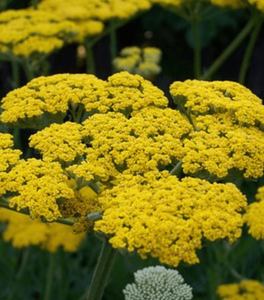
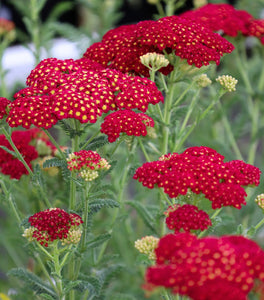
Terracotta Yarrow is a colorful perennial grown for its flat-topped flower clusters in warm shades of peach, orange, yellow, copper, and terracotta. As the blooms age, the plant often displays several tones at once, creating a soft, blended sunset effect in the garden. This makes it especially useful for gardeners who want warm summer color that feels natural, textured, and easy to pair with other sun-loving perennials.
Fine, Aromatic Foliage with a Soft Meadow Look.
The fern-like foliage gives Terracotta Yarrow a delicate texture even when the plant is not in bloom. Its gray-green to green leaves are aromatic when crushed and provide a soft backdrop for the colorful flowers. The upright flower stems rise above the foliage in summer, adding height, movement, and a meadow-style look to sunny beds, borders, and naturalistic plantings.
Excellent for Borders, Cottage Gardens, and Cut Flowers.
Terracotta Yarrow works beautifully in cottage gardens, pollinator gardens, meadow plantings, rock gardens, xeriscapes, and sunny perennial borders. It pairs especially well with coneflowers, salvia, catmint, lavender, Russian sage, ornamental grasses, coreopsis, sedum, and black-eyed Susans. The flowers are also useful for fresh bouquets and dried arrangements, giving the plant value beyond the garden bed.
Drought-tolerant and Easy to Grow in Full Sun.
This yarrow thrives in full sun and well-drained soil. Once established, it is drought-tolerant and performs well in lean, sandy, rocky, or average garden soils. Avoid overly rich or wet soil, which can encourage weak, floppy growth. Terracotta Yarrow is a smart choice for hot, sunny areas where lower-water perennials are needed and where gardeners want reliable summer color without heavy maintenance.
Deer Resistant, Rabbit Resistant, and Pollinator Friendly.
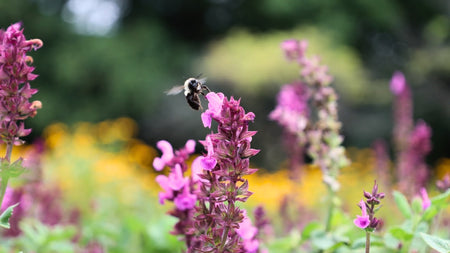
Terracotta Yarrow is valued for more than color. It is considered deer-resistant and rabbit-resistant, and its summer flowers attract butterflies, bees, hoverflies, and other beneficial pollinators. Deadheading can extend bloom time, while cutting the plant back after the first heavy flush can encourage a cleaner habit and possible rebloom. It is a durable, useful perennial for sunny landscapes that need color, texture, and wildlife value.
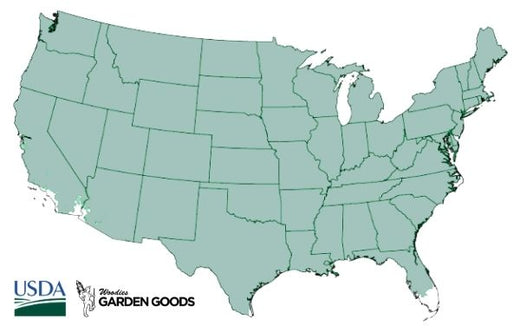
| Hardiness Zone: | 3-9 |
|---|---|
| Mature Height: | 2 to 3 Feet |
| Mature Width: | 18 to 24 inches |
| Sunlight: | Full sun; light shade tolerated but flowering is best in full sun |
| Soil | Average, sandy, rocky, lean, or gritty well-drained soil |
| Water | Low to moderate; drought tolerant once established |
| Bloom Time / Color | Summer; peach, orange, yellow, copper, and terracotta flower tones |
| Ornamental Features | Warm-toned flat flower clusters, aromatic foliage, long bloom season, dried flower value |
| Wildlife Value | Attracts butterflies, bees, hoverflies, and beneficial pollinators |
| Resistance | Deer resistant, rabbit resistant, drought tolerant, heat tolerant, dry-soil tolerant |
| Landscape Uses | Sunny borders, cottage gardens, meadow gardens, pollinator gardens, rock gardens, xeriscapes, cut flower gardens, dried arrangements, mass plantings |
How to Care for Terracotta Yarrow
Be sure to read our planting instructions to ensure a healthy and happy Terracotta Yarrow for years to come!
-v1778676352956.png?92x91)
How should I plant Terracotta Yarrow?
Plant Terracotta Yarrow in full sun where the soil drains well. This perennial performs best in average to lean soil and does not need rich, heavily amended planting beds. Sandy, rocky, gritty, or well-drained garden soil is ideal because good drainage helps prevent weak growth and crown problems. Dig a hole about twice as wide as the root ball and just as deep. Set the crown level with the surrounding soil, backfill gently, and water thoroughly after planting. Space plants so air can move between them, especially in humid climates, and avoid planting in low areas where water collects.
-v1778676353851.png?89x84)
How often should I water Terracotta Yarrow after planting?
Water Terracotta Yarrow deeply after planting and keep the soil lightly moist while the roots establish. During the first growing season, water when the top few inches of soil are dry. Avoid keeping the soil constantly wet, because yarrow prefers drier conditions once established. After establishment, Terracotta Yarrow is drought tolerant and usually needs little supplemental watering in average garden soil. During extended heat or drought, an occasional deep watering can help maintain bloom quality. Container-grown plants may need more frequent watering, but the potting mix should still drain well.
-v1778676354773.png?90x89)
When should I fertilize Terracotta Yarrow?
Terracotta Yarrow usually needs very little fertilizer. In most gardens, a light spring application of compost or a modest dose of balanced slow-release fertilizer is enough. The plant often performs best in lean soil, where it stays sturdier and flowers well without excessive leafy growth. Avoid heavy feeding or high-nitrogen fertilizer. Too much fertilizer can make yarrow grow tall, soft, and floppy, especially in rich soil. If the plant is blooming well and holding its shape, skip additional fertilizer and focus on sun, drainage, and occasional deadheading.

When and how should I prune Terracotta Yarrow?
Deadhead Terracotta Yarrow as flowers fade to encourage a tidier appearance and extend the bloom season. After the first major flush of flowers, the plant can be sheared back by about one-third to refresh the foliage and encourage a possible rebloom. Cut old stems back near the base in late fall after the plant has finished for the season or in early spring before new growth begins. Divide clumps every few years if the center becomes crowded or flowering declines. Regular division can help maintain vigor and prevent the plant from spreading beyond its intended space.