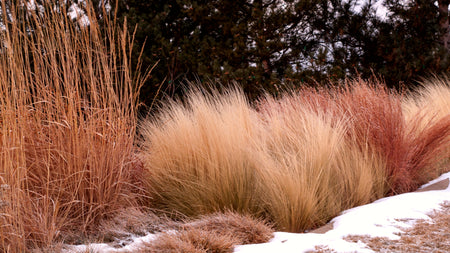
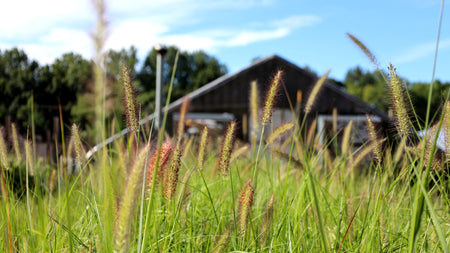
Images Depict Mature Plants
Cape Breeze Switchgrass
Panicum virgatum 'Cape Breeze'
Cape Breeze is a great switchgrass for homeowners who want the look of a native grass but do not have room for a four- or five-foot clump. It stays tidy, handles tough, sunny spots, and offers the soft movement you want from ornamental grasses without demanding much in return. I would use it in groups along a walkway, in a sunny container, or mixed with coneflowers, black-eyed Susans, asters, and sedum for a planting that looks good from summer through winter.

20% Off Sitewide Sale!
Use Code 'ENDOFSEASON20' At Checkout
📦 Free shipping on orders over $99.
Delay shipping by leaving us a message at Checkout.
Share:

Cape Breeze Switchgrass Gives Small Gardens Big Native Grass Texture
Compact Switchgrass With Clean Upright Form
Cape Breeze Switchgrass is a compact ornamental grass that delivers the texture, movement, and seasonal interest of native Panicum in a smaller, easier-to-place form. Its tidy upright habit makes it especially useful for homeowners who want the look of a prairie grass without planting a variety that grows too tall for smaller beds, containers, or narrow sunny spaces.
This dwarf switchgrass forms a dense clump of bright green blades that stays refined through the growing season. In late summer and fall, airy flower panicles rise above the foliage and mature into bronze-toned seed heads that continue to add texture into winter. It is a practical, handsome grass for front-of-border accents, low groupings, patio containers, coastal plantings, and sunny perennial gardens.
Airy Seed Heads and Fall Color That Extend the Season
Cape Breeze brings more than summer greenery. Its flower panicles appear earlier than many switchgrass varieties, creating a soft, hazy texture above the foliage. As the season progresses, the seed heads take on warmer bronze tones, while the tips of the slender leaves can develop reddish-purple color in fall.
That late-season shift makes Cape Breeze especially valuable in gardens designed for fall and winter interest. Instead of disappearing after summer flowers fade, this grass continues to contribute movement, color, and structure. Leave the seed heads standing through winter for a natural look, added texture, and seasonal value for birds and wildlife.
A Smaller Panicum for Borders, Containers, and Coastal Gardens
At maturity, Cape Breeze typically grows about 24 to 36 inches tall and 20 to 24 inches wide, making it one of the more compact switchgrass options for home landscapes. Its shorter size allows it to work in places where larger Panicum varieties may feel too tall or heavy, including foundation edges, driveway borders, sunny courtyard beds, and large containers.
Cape Breeze is also an excellent choice for coastal gardens and exposed sites. Once established, it tolerates salt, wind, drought, and average to lean soils better than many ornamental plants. Use it in groups for a clean, modern drift, mix it with flowering perennials for a pollinator-friendly border, or plant it where road salt, sandy soil, or breezy conditions make other plants struggle.
Tough Native-Grass Performance With Low Maintenance Needs
Cape Breeze Switchgrass grows best in full sun, where it develops the strongest upright habit and best flowering. It can tolerate part sun, but too much shade or overly rich soil may make grasses less sturdy. For the cleanest form, plant it in a sunny site with average to moist, well-drained soil.
Once established, Cape Breeze is drought-tolerant and adaptable to a range of soil types, including sandy, clay, infertile, and occasionally wet soils. It does not need heavy fertilizer or constant care. In fact, growing it too rich can reduce the natural sturdy habit that makes this grass so useful. Water regularly during the first season, then let it settle into a tougher, lower-maintenance rhythm.
Year-Round Structure for Wildlife-Friendly Plantings
Cape Breeze Switchgrass is a strong choice for homeowners who want a landscape that looks good and supports wildlife. The seed heads can provide food for birds, while the dense clumping habit offers cover and structure in mixed plantings. As a native switchgrass selection, it also fits beautifully into pollinator gardens, meadow-style beds, rain gardens, and naturalized sunny borders.
Maintenance is simple. Leave the foliage and seed heads standing through winter for texture, then cut the clump back in late winter or early spring before new growth begins. This one seasonal cutback refreshes the plant and makes room for clean new blades. With the right sun and spacing, Cape Breeze provides years of movement, color, and structure with very little fuss.
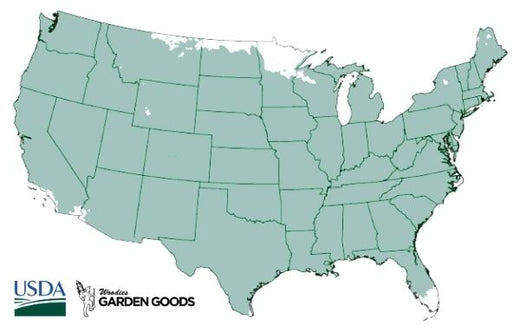
| Hardiness Zone | 4-9 |
|---|---|
| Mature Height: | 24 to 36 inches |
| Mature Width: | 20 to 24 inches |
| Sunlight: | Full sun to part sun; full sun gives the strongest habit |
| Soil | Average to moist, well-drained soil; adapts to sandy, clay, and lean soils |
| Water Requirements: | Average water after establishment; drought tolerant once established |
| Bloom Time / Color | Summer into fall; airy yellow-green to bronze seed panicles |
| Foliage | Upright green blades with reddish-purple tips developing in fall |
| Ornamental Features | Compact habit, airy plumes, fall color, winter interest, upright texture |
| Wildlife Value | Seed heads can provide food for birds; switchgrass plantings offer cover and habitat value |
| Resistance | Generally considered deer resistant; salt tolerant and drought tolerant once established |
| Landscape Uses | Sunny borders, coastal gardens, containers, rain gardens, mass plantings, erosion control, roadside plantings, meadow-style gardens |
How to Care for Cape Breeze Switchgrass
Before you buy a Cape Breeze Switchgrass, make sure to read about the recommended care instructions to keep this plant healthy and thriving.
-v1783370840773.png?92x91)
How should I plant Cape Breeze Switchgrass?
Plant Cape Breeze Switchgrass in full sun to part sun with average to moist, well-drained soil. Full sun is best for the strongest upright habit, densest growth, and best seed head display. Avoid deep shade, which can make ornamental grasses looser and less vigorous. Dig a hole about twice as wide as the root ball and set the crown level with the surrounding soil. Backfill with native soil, water deeply, and mulch lightly around the base without burying the crown. Space plants about 20 to 24 inches apart when planting in groups, borders, or mass plantings.
-v1783370868834.png?89x84)
How often should I water Cape Breeze Switchgrass after planting?
Water Cape Breeze Switchgrass deeply after planting and keep the soil evenly moist during the first growing season. During hot or dry weather, check the soil regularly and water when the top few inches begin to dry. Deep watering helps the roots establish more effectively than frequent shallow sprinkling. Once established, Cape Breeze is drought tolerant and can handle average garden moisture. It will still appreciate occasional deep watering during extended dry spells, especially in containers or sandy soils. In rain gardens or moist sites, make sure the plant is not buried too deeply and has enough airflow around the clump.
-v1783370887941.png?90x89)
When should I fertilize Cape Breeze Switchgrass?
Fertilize Cape Breeze Switchgrass lightly in spring only if your soil is poor. In most landscapes, a thin layer of compost or a modest amount of balanced slow-release fertilizer is plenty. This grass performs well in average to lean soil and does not need heavy feeding. Avoid high-nitrogen fertilizer or overly rich soil, which can make ornamental grasses grow too soft or loose. The goal is strong, upright texture, not overly lush growth. Cape Breeze usually performs best when planted in sun and allowed to grow with minimal fertilizer.

When and how should I prune / cut back Cape Breeze Switchgrass?
Leave Cape Breeze Switchgrass standing through fall and winter so you can enjoy the seed heads, movement, and winter texture. The old foliage also adds structure to the garden when many perennials have disappeared for the season. Cut the clump back in late winter or early spring before new green growth begins. Use clean pruners, hedge shears, or grass shears to cut the old foliage down to a few inches above the ground. Avoid cutting into new spring shoots once they begin emerging.