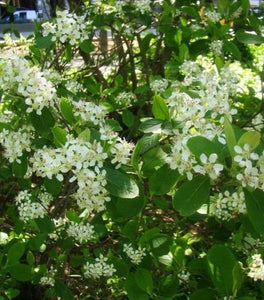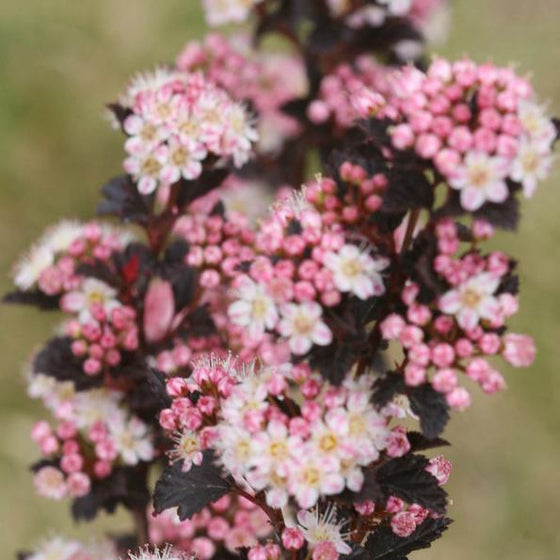


Images Depict Mature Plants
Tiny Wine® Ninebark
Physocarpus opulifolius 'SMPOTW' PP26749
Tiny Wine® Ninebark is one of those shrubs that makes a planting look more finished without making the maintenance harder. The compact size is easy to work with, the foliage color holds attention for months, and the late spring flowers give it that extra layer of value that makes it feel like more than just another dark-leaf shrub.

15% OFF SITEWIDE, USE CODE 'FALLPLANT15'
📦 Free shipping on orders over $99.
Delay shipping by leaving us a message at Checkout.
Share:


Compact color that works hard in the landscape
A smaller ninebark with big visual impact.
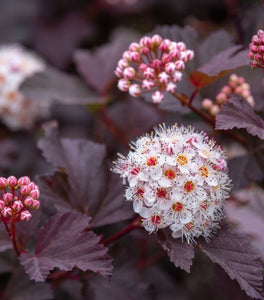
Tiny Wine® Ninebark brings the rich, dark foliage ninebark gardeners love into a tighter, more landscape-friendly form. Its refined leaves emerge in deep bronze-maroon tones and hold strong color through the growing season, making this shrub a standout choice when you want contrast against green, gold, or silver foliage nearby.
Soft flowers brighten the dark foliage in late spring.
In late spring to early summer, Tiny Wine® Ninebark is covered with clusters of pale flowers that range from pinkish-white to white, depending on stage and growing conditions. The bloom display is especially striking because the flowers sit against the dark foliage, giving you a crisp, high-contrast look that feels elegant rather than overpowering.
Season-long foliage color keeps the garden interesting.
Even after flowering ends, Tiny Wine® Ninebark continues to earn its space. The foliage remains colorful through summer, and many plantings also pick up richer reddish tones later in the season. On older stems, the characteristic exfoliating bark of ninebark adds extra texture and subtle winter interest once the leaves drop.
A strong fit for foundations, borders, hedges, and containers.
This compact deciduous shrub works beautifully in foundation plantings, mixed shrub borders, low informal hedges, and sunny patio containers. Its upright, densely branched habit makes it easy to tuck into smaller spaces, and its bold foliage helps anchor perennial combinations, brighten entry plantings, and add structure without demanding constant trimming.
Adaptable, durable, and easy to place.
Tiny Wine® Ninebark performs best in full sun to part sun and prefers well-drained soil, though established plants are generally adaptable to a range of garden conditions. It is often considered deer-resistant and fairly low-maintenance, but, like many ninebarks, foliage can be cleaner and color stronger when the plant has good air circulation and plenty of light. In hotter southern settings, a bit of afternoon relief can help keep the plant looking its best.
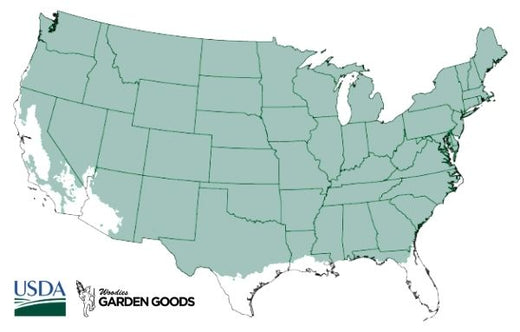
| Hardiness Zone: | 3-8 |
|---|---|
| Mature Height: | 3.5 to 5 feet |
| Mature Width: | 3.5 to 4 feet |
| Sunlight: | Full sun to part sun |
| Soil: | Average, well-drained soil; adaptable once established |
| Water: | Moderate; water regularly during establishment |
| Foliage: | Small, refined bronze-maroon to purple foliage; may develop red tones later in the season |
| Bloom Time / Color: | Late spring to early summer; pale pinkish-white to white flowers |
| Ornamental Features: | Dark foliage, spring bloom, compact habit, exfoliating bark on mature stems |
| Wildlife Value: | Flowers can support pollinators |
| Resistance (deer/disease/drought/etc.): | Commonly regarded as deer resistant; adaptable and moderately drought tolerant once established |
| Landscape Uses: | Foundation plantings, mixed borders, low hedges, mass plantings, accent shrub, large containers |
How to Care for Tiny Wine® Ninebark
Be sure to read our planting instructions to ensure a healthy and happy Tiny Wine® Ninebark for years to come!
-v1776956520793.png?92x91)
How should I plant Tiny Wine® Ninebark?
Plant Tiny Wine® Ninebark in a spot with full sun to part sun and well-drained soil. Dig a hole about twice as wide as the root ball, set the shrub so the top of the root ball sits level with the surrounding soil, then backfill and water deeply to settle the roots in. Finish with a light layer of mulch to help conserve moisture and reduce weed pressure, but keep mulch a few inches back from the base of the stems. Give Tiny Wine® Ninebark enough room for mature spread so air can move freely through the plant, which helps support better foliage quality over time.
-v1776956541738.png?89x84)
How often should I water Tiny Wine® Ninebark after planting?
Water Tiny Wine® Ninebark deeply right after planting, then keep the root zone evenly moist during the first growing season. In general, that means watering several times per week at first, then gradually shifting to deeper, less frequent watering as the shrub begins to establish. Once established, Tiny Wine® Ninebark is more forgiving and can handle normal landscape conditions better than many flowering shrubs. During extended hot or dry stretches, give it a deep soaking rather than frequent shallow watering so roots continue to grow down into the soil.
-v1776956588599.png?90x89)
When should I fertilize Tiny Wine® Ninebark?
Fertilize Tiny Wine® Ninebark in early spring as new growth begins. A balanced slow-release shrub fertilizer or a topdressing of compost is usually enough to support healthy growth, foliage color, and flowering without forcing weak, overly lush growth. Avoid heavy feeding late in the season, since that can push tender new growth when the plant should be preparing for dormancy. In average garden soil, Tiny Wine® Ninebark is not a demanding feeder, so a light annual application is often all it needs.

When and how should I prune Tiny Wine® Ninebark?
Prune Tiny Wine® Ninebark just after flowering if you want to shape it without removing next season’s bloom potential. This is the best time for light cleanup, thinning, or shortening stems to maintain a dense, compact form. You can also remove dead, damaged, or crowded wood in late winter or very early spring before new growth starts. If an older plant needs renewal, remove a few of the oldest stems at the base to encourage fresh growth rather than shearing the whole shrub into a tight ball.