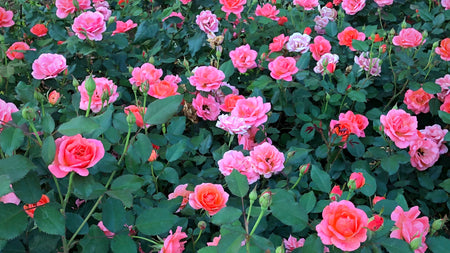
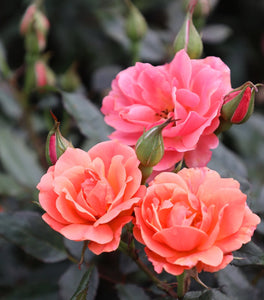
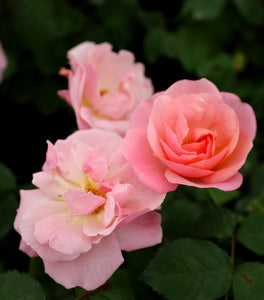
Images Depict Mature Plants
Pink Knock Out® Rose
Rosa 'Radcon' PP15070, CPBR2044
Pink Knock Out® is the rose I would use when someone wants months of clear pink color but does not want their summer tied up with spraying and deadheading. The single flowers have a simple, open look that works naturally with perennials, and the rounded shrub is easy to repeat along a foundation or through a broad border. Give it a real full-sun location, water deeply instead of sprinkling the leaves and make one firm cutback in early spring. Those basics are usually enough to keep it flowering and looking like a rose should.

15% OFF SITEWIDE SALE
Use Code 'PRIMETIME15' At Checkout
📦 Free shipping on orders over $99.
Delay shipping by leaving us a message at Checkout.
Share:



Bright Pink Single Roses with Season-Long Flower Power
Bright Pink Single Blooms Repeat from Spring Until Frost
Pink Knock Out® Rose covers itself in clear, bright pink flowers that bring dependable color to sunny landscapes for months. It's single, informal roses open in generous clusters above deep green foliage, creating a lively display without the rigid appearance of more formal rose varieties.
Each flower has approximately 7 to 12 petals and can reach about 2½ to 3 inches across. The open flower form exposes the golden stamens at the center, giving the blooms a fresh, uncomplicated appearance that works naturally in cottage gardens, foundation beds, and mixed shrub borders.
The first spring flush is usually the heaviest, followed by additional waves of flowers throughout summer and fall. A mature shrub may carry open flowers, developing buds, and fading blooms at the same time, keeping the plant colorful between its heavier bloom cycles.
Pink Knock Out® is a strong choice for homeowners who want a true pink landscape rose rather than the cherry-red coloring of the original Knock Out® Rose. Its color remains vivid enough to be seen from across the yard while pairing easily with white, lavender, purple, and softer pink companion plants.
Self-Cleaning Flowers Deliver Color with Less Maintenance
Pink Knock Out® Rose is self-cleaning, which means spent petals generally drop away without requiring regular deadheading. The shrub will continue producing new flowers whether every faded bloom is removed or not.
Gardeners can still trim off old flower clusters when they want an especially neat appearance, but deadheading is optional rather than essential. This makes Pink Knock Out® well-suited to large foundation beds, informal hedges, and mass plantings where maintaining every individual flower would be time-consuming.
The flowers have only a very slight fragrance, and many gardeners may notice little or no scent. Pink Knock Out® should therefore be selected for its strong color, long bloom season, and landscape performance rather than for its fragrance.
Small rose hips may occasionally form after flowering, but fruit production is sparse and unreliable. The primary ornamental display comes from the repeated pink flowers and dense green foliage.
A Rounded 3-to-4-Foot Shrub for Hedges and Foundations
Pink Knock Out® Rose develops a dense, bushy, and naturally rounded habit approximately 3 to 4 feet tall and equally wide. Its size is substantial enough to create a visible presence in the landscape without reaching the height or width of many traditional shrub roses.
Plant one as a flowering accent near an entrance, repeat several along a sunny foundation, or use a group to create an informal pink hedge. The rounded habit also works well in mixed shrub borders, where it can be combined with evergreens, flowering perennials, and ornamental grasses.
Space individual shrubs approximately 3 to 4 feet apart, measured from the center of one plant to the next. Plants set near the closer end of that range will create a continuous hedge more quickly, while wider spacing allows each shrub’s rounded outline to remain visible.
Pink Knock Out® can also grow in a large outdoor container. Choose a weather-resistant pot with drainage holes and enough volume to support a mature shrub. Container-grown roses require more frequent watering and greater winter protection than roses planted in the ground.
Clean Green Foliage and Open Flowers Add Long-Season Interest
Deep mossy-green foliage provides a dense background for the bright pink flowers. New growth may show warmer reddish or bronze tones before maturing to green, adding another brief layer of seasonal color.
Pink Knock Out® was selected for excellent resistance to black spot, one of the most common and frustrating diseases of landscape roses. Its improved resistance helps the shrub retain cleaner foliage with less routine spraying than many older rose varieties.
Disease resistance does not mean being completely immune to every rose problem. Full sun, adequate spacing, and watering near the base of the shrub will help preserve healthy foliage. Remove damaged leaves or canes when needed and avoid allowing fallen diseased foliage to accumulate around the plant.
The single flowers are more accessible to bees than heavily doubled roses because their stamens remain exposed. Deer, however, may browse rose foliage, buds, and flowers, so Pink Knock Out® should not be promoted as deer resistant.
Full Sun, Deep Watering, and One Annual Prune Keep It Performing
Plant Pink Knock Out® Rose in an area that receives 6 to 8 hours of direct sunlight each day. Strong sunlight produces the fullest habit, cleanest foliage, and most abundant flower display. Plants grown with less sun may survive but generally bloom less heavily.
Choose well-drained soil and set the top of the root ball level with the surrounding ground. Water deeply during establishment and whenever prolonged dry weather leaves the root zone dry. Once established, Pink Knock Out® has good drought tolerance, but regular deep watering supports stronger repeat flowering.
Heavy feeding is unnecessary. Allow a newly planted shrub to establish and complete its first bloom cycle before applying fertilizer. When feeding is desired, use a balanced fertilizer or one formulated for roses and avoid fertilizing late in summer.
Prune established plants in late winter or early spring as new growth begins and after the worst threat of hard frost has passed. Cutting the shrub back to approximately 12 to 18 inches encourages strong new growth and helps maintain its expected 3 to 4-foot size. Remove weak, dead, or damaged canes to improve airflow through the center.
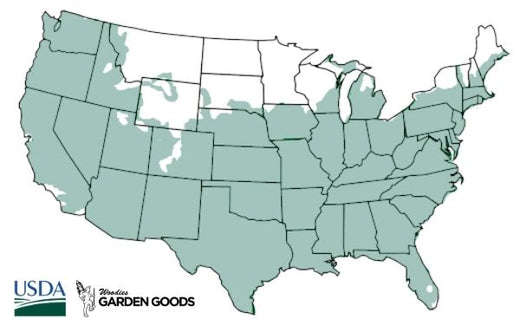
| Hardiness Zone: | 5-11 |
|---|---|
| Mature Height: | 3 to 4 Feet |
| Mature Width: | 3 to 4 Feet |
| Sunlight: | Full sun; 6 to 8 hours of direct sunlight produces the best flowering |
| Soil | Fertile to average, well-drained soil; preferred pH approximately 5.5 to 6.5 |
| Water | Regular during establishment; deep, less-frequent watering after establishment |
| Bloom Time / Color | Spring until the first hard frost; abundant bright pink single flowers |
| Ornamental Features | Bright pink single blooms; exposed golden stamens; repeated flower cycles; rounded habit; dense green foliage |
| Wildlife Value | Open single flowers may attract bees and other pollinating insects |
| Resistance | Excellent black spot resistance; drought tolerant once established; not considered deer resistant |
| Landscape Uses | Foundation beds; informal hedges; mass plantings; mixed shrub borders; specimens; entry gardens; large patio containers |
How to Care for Pink Knock Out® Rose
Be sure to read our planting instructions to ensure a healthy and happy Pink Knock Out® Rose for years to come!
-v1785860526681.png?92x91)
How should I plant Pink Knock Out® Rose?
Choose a location receiving 6 to 8 hours of direct sunlight with soil that drains after rain. Dig the planting hole slightly wider than the nursery container but no deeper than the root ball. Loosen circling roots gently and position the plant so the base of the shrub is level with the surrounding ground. Backfill with the loosened native soil, water thoroughly and apply 2 to 3 inches of mulch over the root zone. Keep mulch several inches away from the canes. Space multiple shrubs approximately 3 to 4 feet apart, depending on whether you want a defined group or a faster-forming hedge.
-v1785860549162.png?89x84)
How often should I water Pink Knock Out® Rose after planting?
Water deeply immediately after planting. During the first several weeks, check the root zone frequently and water whenever the upper 1 to 2 inches begin to dry. Newly planted roses may need water several times per week during hot, rainless weather. Once established, Pink Knock Out® tolerates occasional drought but flowers best with dependable moisture. Water slowly at the base until the soil is moistened deeply rather than applying frequent shallow sprinklings. Avoid routinely wetting the foliage, especially late in the day.
-v1785860574557.png?90x89)
When should I fertilize Pink Knock Out® Rose?
Do not fertilize immediately after planting. Allow the rose to establish and complete one bloom cycle before applying supplemental fertilizer. Pink Knock Out® can grow and flower well without heavy feeding in reasonably fertile soil. When additional nutrition is needed, use a balanced slow-release fertilizer or one formulated for roses. Apply it to moist soil according to the product label. Avoid fertilizing late in summer because tender new growth may not harden before cold weather.

When and how should I prune Pink Knock Out® Rose?
Prune established shrubs in late winter or early spring when new shoots begin swelling and the threat of severe frost is passing. To maintain a shrub around 3 to 4 feet tall, reduce the main canes to approximately 12 to 18 inches above the ground. Remove thin, dead, damaged or crossing canes and clear the cut material from the bed. Pink Knock Out® normally grows rapidly after pruning and can approximately triple in size during the growing season. Light shaping can be performed later, but regular deadheading is unnecessary.