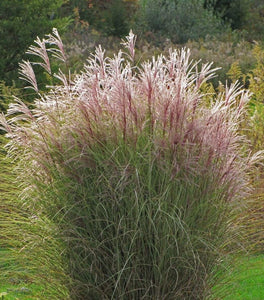
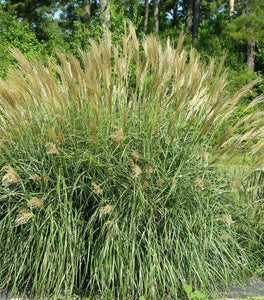
Images Depict Mature Plants
Dwarf Pampas Grass
Cortaderia selloana 'Pumila'
Dwarf Pampas Grass gives you that classic plume look without quite as much size as standard pampas grass. It is still a bold plant, so give it sun, drainage, and enough room to mature. I like it as a sunny focal point, a soft screen, or a late-season backdrop behind shorter perennials. Just be smart about placement—the blades are sharp, and regional invasive concerns should be checked before planting.

15% OFF SITEWIDE SALE
Use Code 'PRIMETIME15' At Checkout
📦 Free shipping on orders over $99.
Delay shipping by leaving us a message at Checkout.
Share:


A Compact Pampas Grass with Showy White Plumes
Big Pampas Grass Drama in a Smaller Form
Dwarf Pampas Grass is a compact selection of pampas grass grown for its graceful arching foliage and showy creamy-white plumes. Botanically known as Cortaderia selloana ‘Pumila’, this ornamental grass gives homeowners the bold, plume-filled look of pampas grass in a smaller, easier-to-place form.
Compared with standard pampas grass, ‘Pumila’ stays more compact, making it better suited for residential landscapes, sunny borders, foundation beds, large containers, and smaller screening areas. It still creates a strong presence, so give it enough room to mature and show off its fountain-like habit.
Creamy-White Plumes for Late-Season Texture
In late summer to fall, Dwarf Pampas Grass produces silky, creamy-white plumes that rise above the foliage. These plumes add movement, height, and soft texture as many flowering perennials start to fade.
The plumes can remain attractive into winter, especially in protected sites. Leave them standing for seasonal structure, or cut them for dried arrangements before the weather breaks them down. Their soft color pairs beautifully with evergreens, coneflowers, sedum, black-eyed Susan, Russian sage, catmint, and other sun-loving perennials.
A Compact Ornamental Grass for Sunny Landscapes
Dwarf Pampas Grass typically matures around 4–6 feet tall in bloom, depending on climate and growing conditions. Its foliage forms a dense clump, while plume stems add extra height and drama above the leaves.
Use it as a specimen grass, a sunny border accent, a poolside planting, a coastal-style grass, a soft screen, or a backdrop for lower perennials. It can also work in large containers where a bold architectural plant is needed, provided the container has excellent drainage and enough room for root growth.
Full Sun, Drought Tolerance, and Deer Resistance
Plant Dwarf Pampas Grass in full sun for the strongest habit and best plume production. It can tolerate light shade, but too much shade may reduce flowering and cause the plant to become looser.
Once established, Dwarf Pampas Grass is drought-tolerant and low-maintenance. It is also generally considered deer resistant, thanks in part to its tough, sharp-edged foliage. Avoid planting it where the blades will brush against walkways, patios, play areas, or narrow paths.
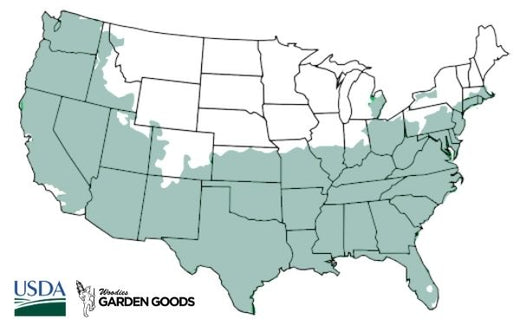
| Hardiness Zone: | 6-10 |
|---|---|
| Mature Height: | 4 to 6 Feet Tall in Bloom |
| Mature Width: | 4 to 5 Feet |
| Sunlight: | Full sun preferred; tolerates light shade |
| Soil | Dry to medium moisture, well-drained soil; moderately fertile soil preferred |
| Water Requirements: | Water regularly after planting; drought tolerant once established; avoid soggy winter soil |
| Bloom Time / Color | Late summer to fall; silky creamy-white to white plumes |
| Ornamental Features | Creamy-white plumes, compact pampas grass habit, upright texture, winter interest, dramatic specimen value |
| Wildlife Value | Dense clumps may provide cover; plumes add winter structure |
| Resistance | Generally deer resistant; drought tolerant once established; salt/coastal tolerance often noted for pampas grass |
| Landscape Uses | Specimen grass, sunny border, privacy screen, foundation accent, poolside planting, coastal garden, large container, backdrop planting, winter interest |
How to Care for Dwarf Pampas Grass
Be sure to read our planting instructions to ensure a healthy and happy Dwarf Pampas Grass Plant for years to come!

How should I plant Dwarf Pampas Grass?
Plant Dwarf Pampas Grass in full sun with well-drained soil. Choose a location with enough room for the clump to mature without crowding walkways, patios, driveways, or play areas, because the foliage can be sharp. Dig a hole about twice as wide as the root ball and just as deep. Set the crown level with the surrounding soil, backfill with native soil, and water thoroughly. Space plants about 4–6 feet apart for specimen use or soft screening, depending on the desired effect.

How often should I water Dwarf Pampas Grass after planting?
Water Dwarf Pampas Grass deeply after planting, then keep the soil lightly moist while roots establish. During the first growing season, water when the top few inches of soil begin to dry. Once established, Dwarf Pampas Grass is drought-tolerant and usually needs little supplemental water except during extended dry periods. Avoid constantly wet or poorly drained soil, especially in winter.

When should I fertilize Dwarf Pampas Grass?
Dwarf Pampas Grass usually needs little fertilizer in average garden soil. A light spring application of compost or a balanced slow-release fertilizer is enough for most landscapes. Avoid heavy high-nitrogen fertilizer, which can encourage floppy growth and reduce the sturdy upright habit. Full sun, good drainage, and proper spacing are more important than frequent feeding.

When and how should I prune Dwarf Pampas Grass?
Cut Dwarf Pampas Grass back in late winter or early spring before new growth begins. Use sharp shears, hedge trimmers, or a pruning saw to cut old foliage down to about 8–12 inches above the ground. Wear gloves, long sleeves, and eye protection because pampas grass blades have sharp edges. Remove old plumes and dried foliage carefully, then allow fresh new growth to emerge from the crown.