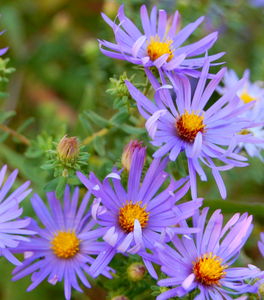
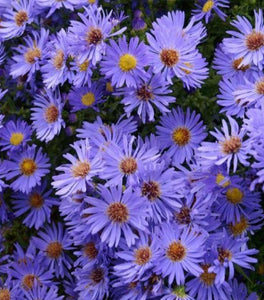
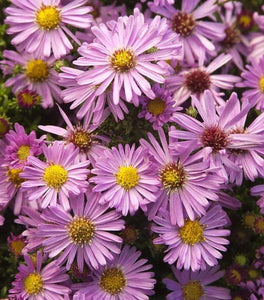
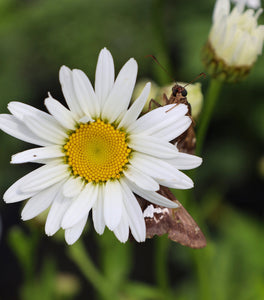
Images Depict Mature Plants
Sheffield Pink Chrysanthemum
Dendranthema 'Hillside Sheffield Pink'
Sheffield Pink Chrysanthemum is the kind of fall perennial that looks like it has always been part of the garden. The flowers are soft, daisy-like, and much more natural-looking than the tight florist mums you see on porches in September. I like it with grasses, asters, sedum, and black-eyed Susans where it can carry the border into fall. Plant it early enough to establish, give it full sun, and pinch it before midsummer for a fuller show.

15% OFF SITEWIDE SUMMER SALE
Use Code HELLOSUMMER15 at Checkout!
📦 Free shipping on orders over $99.
Delay shipping by leaving us a message at Checkout.
Share:Recommended Add-Ons



Soft Pink Hardy Mum for Long-Lasting Fall Color
A Hardy Perennial Mum with Cottage Garden Charm.
Sheffield Pink Chrysanthemum is a beloved hardy garden mum grown for its soft pink to apricot-pink daisy-like flowers and warm yellow centers. Unlike many florist mums used for temporary fall porch color, Sheffield Pink is best treated as a perennial garden plant. It brings relaxed, natural-looking fall color to sunny borders, cottage gardens, pollinator plantings, and mixed perennial beds.
Late-Season Blooms When Gardens Need Color Most.
This perennial mum blooms in fall, adding fresh color after many summer perennials have finished. The flowers have a simple daisy form that feels lighter and more graceful than tightly rounded cushion mums. Use Sheffield Pink to extend the garden season with soft color that pairs beautifully with asters, ornamental grasses, sedum, goldenrod, coneflowers, black-eyed Susans, and fall-blooming anemones.
Pollinator-Friendly Flowers and Cut Flower Value.
Sheffield Pink Chrysanthemum is useful for late-season pollinators because its open flowers are easier to access than the dense double blooms of other varieties. Bees and butterflies may visit the flowers during the fall season, when nectar sources become more limited. The blooms also work well as cut flowers, bringing a soft autumn look to casual arrangements and garden bouquets.
Best in Full Sun and Well-Drained Soil.
Plant Sheffield Pink Chrysanthemum in full sun for the strongest stems and best flowering. It performs best in average to fertile, well-drained soil with consistent moisture during establishment. Good drainage is especially important going into winter, because overly wet soil can reduce cold hardiness and cause crown problems. Avoid planting in low, soggy areas.
Low Maintenance with Deer Resistance.
Sheffield Pink Chrysanthemum is generally considered deer-resistant thanks to its aromatic foliage, though no plant is completely deer-proof under heavy pressure. Pinch the stems in late spring and early summer to encourage fuller growth, then stop pinching by midsummer so flower buds can form. After frost, leave stems standing for winter protection or cut back once the plant is fully dormant.
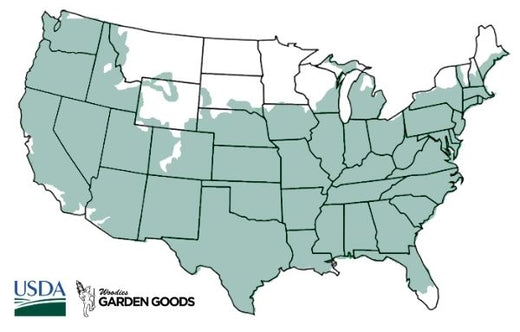
| Hardiness Zone: | 5-9 |
|---|---|
| Mature Height: | 2 to 3 Feet |
| Mature Width: | 2 to 3 Feet |
| Sunlight: | Full Sun |
| Soil | Average to fertile, well-drained soil |
| Water | Average; keep evenly moist while establishing and during dry periods |
| Bloom Time / Color | Fall; soft pink to apricot-pink daisy-like flowers with yellow centers |
| Ornamental Features | Fall flowers, daisy-like bloom form, soft pink color, yellow centers, cottage garden texture |
| Wildlife Value | Attracts late-season bees, butterflies, and other pollinators |
| Resistance | Deer resistant, low maintenance, pollinator friendly |
| Landscape Uses | Sunny borders, cottage gardens, pollinator gardens, fall gardens, cut flower gardens, mass plantings, mixed perennial beds, foundation plantings |
How to Care for Sheffield Pink Chrysanthemum
aBe sure to read our planting instructions to ensure a healthy and happy Sheffield Pink Chrysanthemum plant for years to come!
-v1779814120724.png?92x91)
How should I plant Sheffield Pink Chrysanthemum?
Plant Sheffield Pink Chrysanthemum in full sun where the soil is well drained. Choose a location with good air circulation and enough room for the plant to mature into a broad, flowering clump. Avoid soggy or poorly drained soil, especially in winter, because hardy mums overwinter best when their crowns stay dry enough to avoid rot. Dig a hole about twice as wide as the root ball and no deeper than the container. Set the crown level with the surrounding soil, backfill gently, and water thoroughly. Add a light mulch layer around the plant to conserve moisture and protect the crown, keeping mulch slightly pulled back from the stems.
-v1779814121653.png?89x84)
How often should I water Sheffield Pink Chrysanthemum after planting?
Water the Sheffield Pink Chrysanthemum deeply after planting and keep the soil evenly moist during the first growing season. Water when the top few inches of soil begin to dry, especially during hot, dry, or windy weather. Once established, Sheffield Pink Chrysanthemum has average water needs. It should not be allowed to dry out severely during bud formation, but it also should not sit in constantly wet soil. Container-grown plants may need more frequent watering than plants in the ground.
-v1779814122528.png?90x89)
When should I fertilize Sheffield Pink Chrysanthemum?
Fertilize the Sheffield Pink Chrysanthemum in spring as new growth begins. Use compost, a balanced slow-release fertilizer, or an organic perennial fertilizer to support healthy stems and flower production. Avoid heavy late-season fertilizer. Too much nitrogen late in the season can encourage soft growth and may reduce winter hardiness. Good sun, proper pinching, steady moisture, and well-drained soil are more important than aggressive feeding.

When and how should I prune Sheffield Pink Chrysanthemum?
Pinch the Sheffield Pink Chrysanthemum in late spring and early summer when stems are actively growing. Pinching the tips encourages a fuller, bushier plant with more flowering stems. Stop pinching by midsummer, so the plant has time to set fall flower buds. After frost, either leave the stems standing through winter to help protect the crown or cut the plant back once it is fully dormant. In early spring, remove any remaining old stems before new growth emerges. Divide mature clumps every few years if flowering declines or the center becomes crowded.