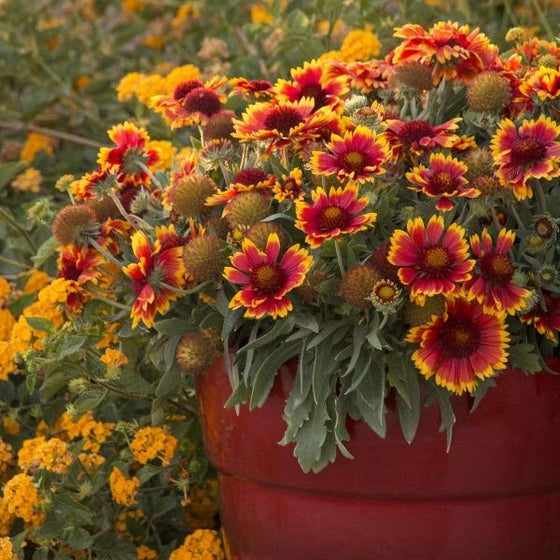
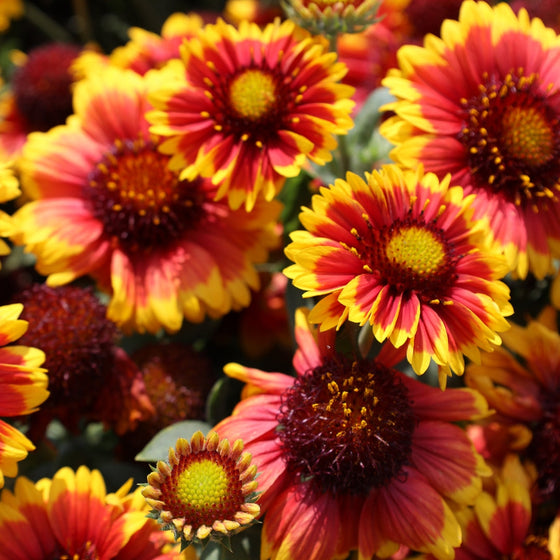


Images Depict Mature Plants
Arizona Sun Blanket Flower
Gaillardia Arizona Sun
Arizona Sun Blanket Flower is a great choice for a sunny garden that needs strong color with minimal maintenance. The red-and-yellow blooms are bright, cheerful, and easy to spot from a distance, while the compact habit makes it simple to use along edges or in containers. Give it full sun, sharp drainage, and a light hand with fertilizer, and it will reward you with heat-loving color and plenty of pollinator activity.

15% OFF SITEWIDE SUMMER SALE
Use Code HELLOSUMMER15 at Checkout!
📦 Free shipping on orders over $99.
Delay shipping by leaving us a message at Checkout.
Share:



A Compact Blanket Flower with Fiery Red-and-Yellow Summer Color
Bold Red-and-Yellow Blooms for Hot Sunny Gardens
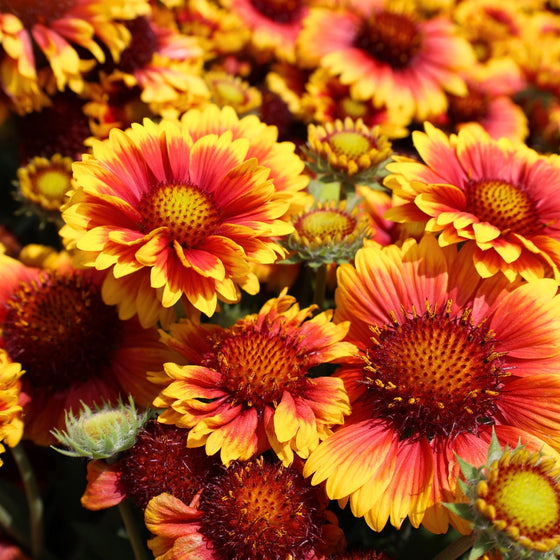
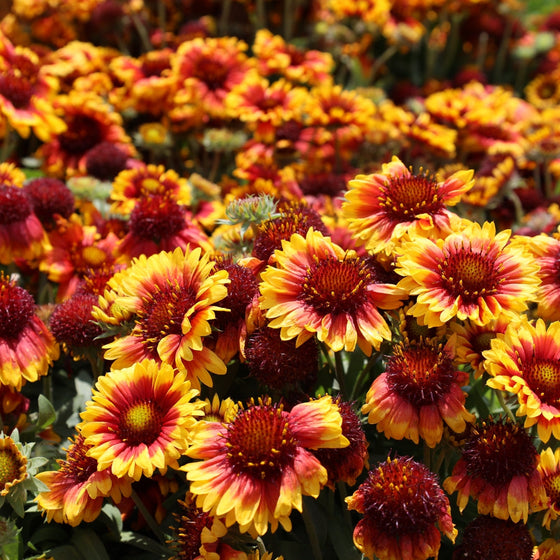
Arizona Sun Blanket Flower is a compact, long-blooming perennial grown for its fiery red daisy-like flowers tipped in bright yellow. The blooms create a warm, high-energy color display that looks right at home in sunny borders, pollinator gardens, rock gardens, containers, and low-water landscapes.
This Gaillardia is especially useful where gardeners want bright color without a large plant. Its compact mounded habit makes it easy to place near the front of a border, along a walkway, in patio containers, or in mixed perennial beds where bold color and tidy size both matter.
Long-Lasting Daisy Flowers from Summer into Fall
Arizona Sun Gaillardia produces large, daisy-like flowers with red centers and golden-yellow petal tips. The color pattern gives each bloom a sunburst effect, adding strong contrast against the plant’s gray-green foliage. In full sun, the flowers can continue for a long season, especially when spent blooms are removed.
Deadheading helps keep the plant looking clean and encourages continued flowering. The blooms also work well in small fresh arrangements, adding cheerful, warm color to summer bouquets. Even in a compact footprint, Arizona Sun delivers a strong seasonal show.
Perfect for Borders, Containers, Rock Gardens, and Low-Water Beds
Arizona Sun Blanket Flower is a natural fit for hot, sunny garden spaces with good drainage. Use it in the front of perennial borders, along sunny edges, in rock gardens, in pollinator beds, or in containers where its compact size and bright flowers can be appreciated up close.
This plant pairs beautifully with other sun-loving, drought-tolerant perennials such as salvia, catmint, yarrow, coreopsis, sedum, lavender, coneflower, Black Eyed Susan, and ornamental grasses. In mass plantings, the red-and-yellow blooms create a lively ribbon of color that carries the garden through summer.
Pollinator Friendly, Deer Resistant, and Drought Tolerant Once Established
Arizona Sun Blanket Flower attracts bees, butterflies, and other beneficial pollinators with its open daisy-like blooms. Its long bloom season makes it especially valuable in pollinator-friendly gardens, where steady flower production helps support garden wildlife through the heat of summer.
Once established, this plant is drought-tolerant and well-suited to dry, sunny sites. It is also generally considered deer-resistant, though deer resistance can vary by pressure and location. For homeowners looking for a tough, colorful perennial that can handle heat, sun, and lean soil, Arizona Sun is a strong choice.
Easy Care with Full Sun and Excellent Drainage
Plant Arizona Sun Blanket Flower in full sun for the strongest flowering and most compact habit. Well-drained soil is essential. This plant performs well in average, sandy, gravelly, or lean soil and can struggle in heavy clay or wet winter conditions.
Water regularly after planting until roots establish, then reduce watering. Avoid overfertilizing or planting in overly rich soil, which can lead to softer growth. Deadhead spent blooms to extend flowering, and cut back tired plants if flowering slows in midsummer to encourage fresh growth and renewed bloom.
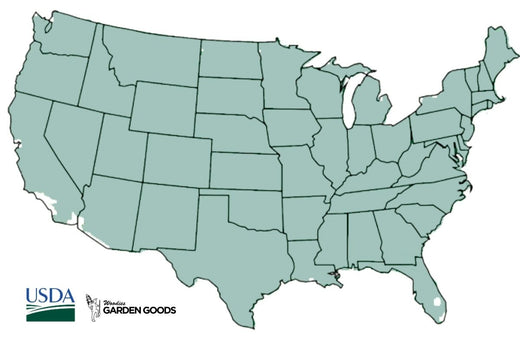
| Hardiness Zone: | 3-10 |
|---|---|
| Mature Height: | 8 to 12 inches |
| Mature Width: | 10 to 12 Inches |
| Sunlight: | Full Sun |
| Soil | Average to lean, sandy, rocky, gravelly, or well-drained soil; avoid wet heavy clay |
| Water | Fiery Red, Orange, and Yellow |
| Flowering Season: | Water regularly after planting; drought tolerant once established |
| Bloom Time / Color | Summer to fall; red daisy-like flowers with yellow-tipped petals |
| Ornamental Features | Red-and-yellow daisy flowers, compact habit, long bloom season, bright summer color |
| Resistance | Generally deer resistant; drought tolerant once established; heat tolerant; dislikes wet soil |
| Landscape Uses | Sunny borders, rock gardens, pollinator gardens, containers, edging, cottage gardens, low-water beds, mass plantings |
How to Care for Arizona Sun Blanket Flower
Be sure to read our planting instructions to ensure a healthy and happy Arizona Sun Blanket Flower plant for years to come!
-v1760024833426.png?92x91)
How should I plant Arizona Sun Blanket Flower?
Plant Arizona Sun Blanket Flower in full sun with well-drained soil. Choose a location that receives at least 6 hours of direct sunlight each day. Avoid low, wet areas or heavy clay soil that holds water, especially in winter. Dig a hole about as wide as the root ball and just as deep. Set the crown level with the surrounding soil, backfill gently, and water thoroughly. Space plants about 10–12 inches apart for a full, colorful planting, or give them slightly more room in mixed perennial beds.
-v1760024855538.png?89x84)
How often should I water Arizona Sun Blanket Flower after planting?
Water Arizona Sun Blanket Flower deeply after planting, then keep the soil lightly moist while roots establish. During the first growing season, water when the top few inches of soil feel dry, especially during hot, windy weather. Once established, Arizona Sun is drought tolerant and prefers drier conditions over soggy soil. Water during extended dry spells, but avoid frequent shallow watering. Good drainage is more important than rich soil or heavy irrigation.
-v1760024903304.png?90x89)
When should I fertilize Arizona Sun Blanket Flower?
Arizona Sun Blanket Flower usually needs little fertilizer. In average garden soil, it performs best with lean to moderate fertility, which helps keep growth compact and flowers strong. If needed, apply a light feeding in spring with a mild slow-release fertilizer or a thin layer of compost. Avoid heavy fertilizer or rich amendments, which can encourage soft growth and reduce the plant’s rugged, drought-tolerant performance.

When and how should I prune Arizona Sun Blanket Flower?
Deadhead Arizona Sun Blanket Flower regularly by removing spent blooms as they fade. This keeps the plant tidy and encourages continued flowering through the summer. If flowering slows or the plant looks tired in midsummer, shear it back lightly to encourage fresh growth and a new round of bloom. In late fall or early spring, remove old stems and foliage before new growth begins.eadhead spent flowers throughout the summer to encourage continuous blooming. As the plant matures, cutting it back by one-third in midseason helps promote fresh growth and extend the bloom cycle into fall. At the end of the season, trim back stems to a few inches above the ground. In milder climates, Arizona Sun often self-seeds, returning each year with a new flush of color.