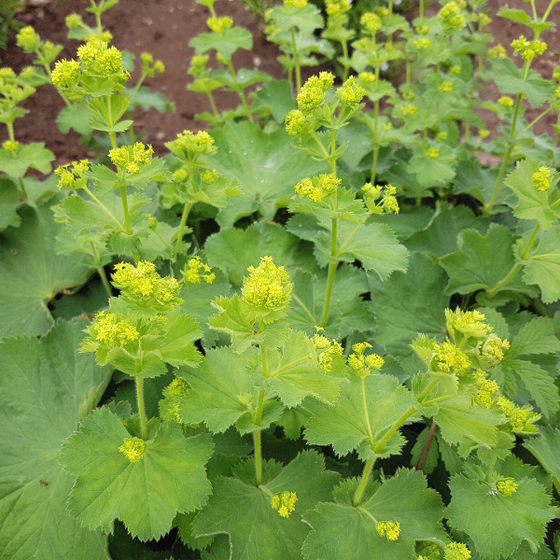
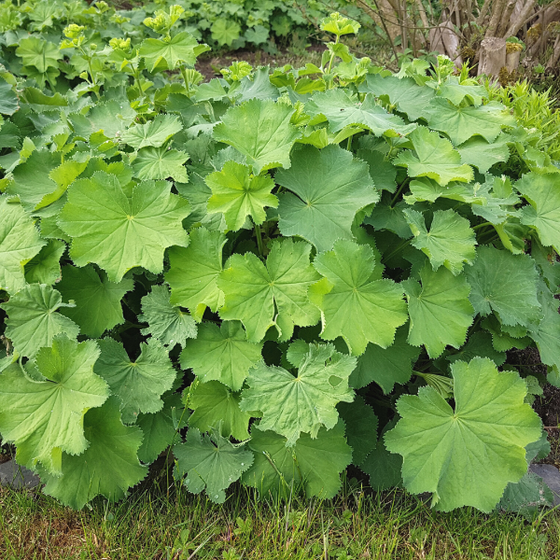


Images Depict Mature Plants
Lady's Mantle
Alchemilla mollis
Lady’s Mantle is one of the best perennials for softening the edge of a border. The scalloped leaves look beautiful after rain, the chartreuse flowers blend with almost any color palette, and the plant has that easy cottage-garden feel without needing much attention. Use it along walkways, under shrubs, or near hostas and ferns where you want deer-resistant texture and a finished look.

15% OFF SITEWIDE, USE CODE 'ENDOFSUMMER15'
📦 Free shipping on orders over $99.
Delay shipping by leaving us a message at Checkout.
Share:Recommended Add-Ons



A Soft Mounding Perennial with Scalloped Leaves and Chartreuse Flowers
Scalloped Foliage with Classic Cottage Garden Charm
Lady’s Mantle is a charming perennial grown for its soft, scalloped leaves, mounding habit, and easy garden texture. The rounded, pleated foliage creates a gentle, old-fashioned look that fits beautifully along paths, at the front of borders, beneath shrubs, and in cottage-style plantings.
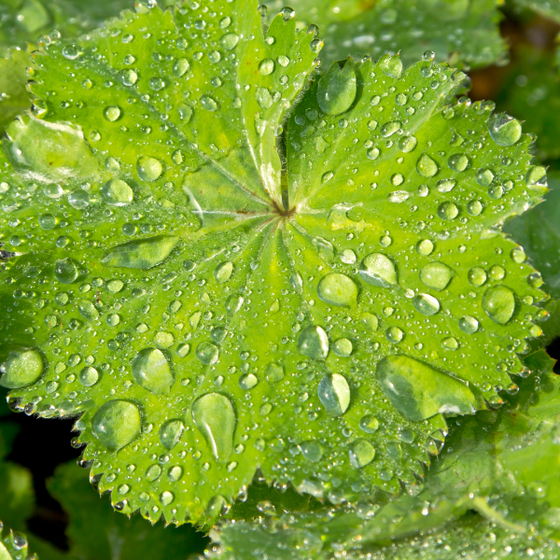
One of its most beloved features is how the leaves catch and hold water droplets after rain or early morning moisture. This gives the plant a sparkling look in the garden and helps it stand out even before flowers appear. For gardeners who want foliage interest as much as bloom, Lady’s Mantle is a dependable and graceful choice.
Frothy Chartreuse Flowers in Late Spring to Early Summer
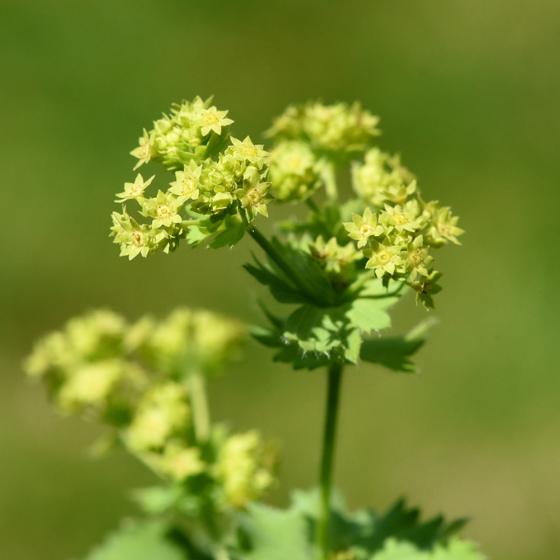
In late spring to early summer, Lady’s Mantle produces airy sprays of tiny yellow-green to chartreuse flowers held above the foliage. The blooms have a soft, frothy texture that brightens planting combinations without overpowering nearby stronger flower colors.
These chartreuse flowers are especially useful in garden design because they blend well with blues, purples, pinks, whites, and deep burgundy foliage. They can also be cut for fresh arrangements, where their light texture helps soften bouquets. After bloom, trimming spent flowers keeps the plant tidy and helps reduce unwanted self-seeding.
Perfect for Edging, Groundcover Drifts, and Part-Shade Borders
Lady’s Mantle is a natural fit for border edges, path sides, cottage gardens, shade gardens, woodland edges, and underplanting around shrubs or small trees. Its low mounding habit helps soften hard lines and create a finished look at the front of a planting bed.
Use it in groups for a fuller groundcover effect, or repeat it through a border to create rhythm. Lady’s Mantle pairs beautifully with hostas, ferns, heuchera, salvia, catmint, alliums, roses, brunnera, astilbe, and hardy geraniums. Its soft chartreuse tones are especially useful for tying together mixed perennial plantings.
Deer Resistant, Rabbit Resistant, and Easy to Use
Lady’s Mantle is generally considered deer-resistant and rabbit-resistant, making it useful in gardens where browsing pressure limits plant choices. Its soft, hairy foliage is less appealing to many animals than tender leafy perennials, though no plant is completely deer-proof.
This perennial is also low maintenance once established. It grows best with consistent moisture and good drainage, but it is adaptable in average garden conditions. In warmer climates, part shade helps keep the foliage fresh and prevents stress during hot weather.
Simple Care with Moist Soil and Seasonal Cleanup
Plant Lady’s Mantle in full sun to part shade with moist, well-drained soil. In cooler climates, it can handle more sun if the soil stays evenly moist. In hotter regions, afternoon shade helps keep foliage looking clean and lush.
Water regularly after planting until roots establish. Cut back spent flower stems after bloom to tidy the plant and limit self-seeding. If foliage looks tired after flowering or summer heat, shear the plant lightly to encourage fresh new growth. Remove old foliage in late winter or early spring before the new season begins.
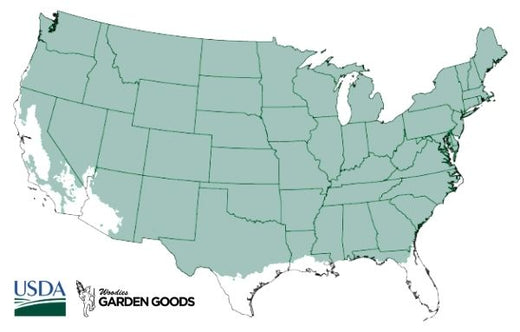
| Hardiness Zone: | 3-8 |
|---|---|
| Mature Height: | 12 to 18 Inches |
| Mature Width: | 18 to 24 Inches |
| Sunlight: | Full sun to part shade; part shade is best in warmer climates |
| Soil | Moist, well-drained soil; tolerates average garden soil and clay with drainage |
| Water | Water regularly after planting; prefers consistent moisture |
| Bloom Time / Color | Late spring to early summer; yellow-green to chartreuse flowers |
| Ornamental Features | Scalloped foliage, dew-catching leaves, frothy chartreuse flowers, soft mounding habit |
| Wildlife Value | Flowers may attract small pollinators and beneficial insects |
| Resistance | Generally deer resistant and rabbit resistant; low pest pressure; prefers moisture over dry soil |
| Landscape Uses | Edging, cottage gardens, border fronts, groundcover drifts, shade gardens, woodland edges, shrub underplanting, cut flowers |
How to Care for Lady's Mantle
Before you buy a Lady’s Mantle Plant, make sure to read about the recommended care instructions to keep this plant healthy and thriving.

How should I plant Lady’s Mantle?
Plant Lady’s Mantle in full sun to part shade with moist, well-drained soil. In cooler regions, it can handle more sun, but in warmer gardens, afternoon shade helps protect the foliage from heat stress. Choose a spot near the front of a border, along a path, or beneath shrubs where its soft mounding habit can be appreciated. Dig a hole about as wide as the root ball and just as deep. Set the crown level with the surrounding soil, backfill gently, and water thoroughly. Space plants about 18–24 inches apart for a fuller edging or groundcover effect.

How often should I water Lady’s Mantle after planting?
Water Lady’s Mantle deeply after planting, then keep the soil evenly moist while roots establish. During the first growing season, water when the top few inches of soil begin to dry, especially during warm or windy weather. Established plants prefer consistent moisture but do not like soggy soil. In hot or dry periods, supplemental watering helps keep the foliage fresh. Mulch can help conserve moisture and keep roots cooler.
-v1781195888575.png?90x89)
When should I fertilize Lady’s Mantle?
Lady’s Mantle usually needs little fertilizer in average garden soil. A light layer of compost in spring is often enough to support healthy foliage and flowers. Avoid heavy fertilizing, especially with high-nitrogen products. Too much fertility can encourage soft growth and reduce the tidy mounding habit. Good soil moisture and proper placement are more important than frequent feeding.

When and how should I prune Lady’s Mantle?
Prune Lady’s Mantle after flowering by cutting back spent flower stems. This keeps the plant tidy and helps reduce self-seeding if you do not want extra seedlings in the garden. If the foliage looks tired later in summer, shear the plant lightly to encourage fresh growth. In late winter or early spring, remove old foliage before new leaves emerge. This simple cleanup keeps the plant looking fresh from season to season.