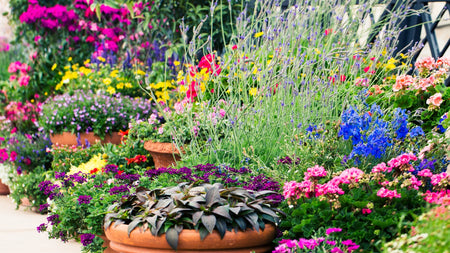
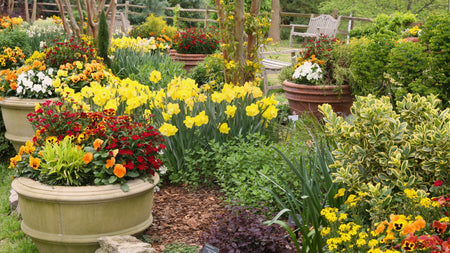
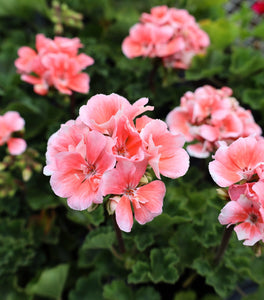
Images Depict Mature Plants
Pink Geranium
Pelargonium x hortorum
Pink Geranium is one of those go-to seasonal plants that just works. I like this one because the shocking pink flowers really stand out, especially against the dark green foliage, and it gives containers and porch planters that bright, classic summer look people still love. It is cheerful, dependable, and easy to use, whether you are planting one pot or dressing up an entire entry.

15% OFF SITEWIDE SUMMER SALE
Use Code HELLOSUMMER15 at Checkout!
📦 Free shipping on orders over $99.
Share:


Bold Pink Color for Pots, Beds, and Porch Planters
Bright Shocking Pink Blooms That Instantly Liven Up Summer Plantings
Pink Geranium is a classic way to bring cheerful, high-impact color to containers and garden beds. This selection stands out for its vivid, shocking pink flowers, which create an immediate focal point in porch planters, window boxes, patio pots, and sunny seasonal borders. When homeowners want a plant that feels energetic, colorful, and easy to enjoy, Pink Geranium is an easy choice.
That strong bloom color makes it especially useful in summer combinations that need brightness and contrast. The pink flowers pair beautifully with white blooms, silver foliage, trailing greens, and darker leaf textures, which makes this plant easy to work into both simple and layered designs. Whether planted on its own or mixed with companion annuals, Pink Geranium brings a lively, polished look to outdoor spaces.
A Tidy, Upright Geranium That Works Beautifully in Containers and Beds
Pink Geranium has the dependable mounded habit that makes zonal geraniums such longtime favorites. It grows in a compact upright form that works well in decorative containers, bedding displays, edging plantings, and mixed summer combinations. It has enough structure to stand on its own in smaller pots, yet blends beautifully with trailing and upright companions in larger arrangements.
This is a great plant for homeowners who want dependable seasonal color without much guesswork. It works just as well in formal entry planters as it does in casual porch pots and sunny border plantings. For gardeners looking for a flowering annual that stays neat and presentable while still making a statement, Pink Geranium is a very reliable performer.
Long-Lasting Bloom Through the Warm Season
One of Pink Geranium's biggest strengths is its ability to keep producing color throughout a long stretch of the growing season. With enough sunlight, regular watering, and light grooming, it can continue blooming through summer and keep containers and beds looking fresh. That long-lasting performance is one of the main reasons geraniums remain such a staple in seasonal gardening.
This makes Pink Geranium especially useful in highly visible areas, such as front porches, patios, walkways, and entry gardens. In those spaces, plants need to do more than look good for a week or two. Pink Geranium helps maintain a bright, cared-for appearance well into the season, especially when spent blooms are removed and plants are fed consistently.
Easy-Care Color for Sunny Outdoor Spaces
Pink Geranium performs best in full sun to part sun with well-drained soil. It thrives in containers, hanging baskets, and beds where it gets plenty of light and consistent moisture without sitting in soggy soil. Once planted in the right setting, it is a very manageable annual that rewards straightforward care with steady flowering and tidy growth.
That easy-care nature is a big reason this plant remains such a favorite for seasonal color. For homeowners who want bright pink flowers, classic geranium style, and a plant that works beautifully in everything from window boxes to landscape beds, Pink Geranium remains one of the most dependable choices available.

| Hardiness Zone: | 10-11 |
|---|---|
| Mature Height: | 1 to 2 Feet |
| Mature Width: | 1 to 2 Feet |
| Bloom Time / Color | Warm season bloom; pink flowers |
| Soil Condition: | Well-drained potting or garden soil |
| Light: | Full sun to part sun |
| Water | Average moisture; allow soil to dry slightly between waterings |
| Wildlife Value | Primarily ornamental seasonal color |
| Resistance (deer/disease/drought/etc.) | Heat tolerant, low-maintenance, and dependable in sunny seasonal plantings |
| Landscape Uses | Containers, hanging baskets, porch pots, annual beds, edging, mixed planters |
How to Care for Pink Geranium
After purchasing your Pink Geranium, be sure to read about our recommended care instructions to ensure a healthy and happy plant all season long!
-v1774535337082.png?92x91)
How should I plant Pink Geranium?
Plant Pink Geranium after the danger of frost has passed in a spot with full sun to part sun and well-drained soil. If planting in containers, use a pot with drainage holes and a quality potting mix that will not stay overly wet. If planting in beds, loosen the soil and space the plants so they have room to fill in while still getting good airflow. In mixed planters, Pink Geranium usually works best as the main upright flowering element or as a strong filler surrounded by trailing companions. In beds, planting in groups creates a fuller and more colorful display than spacing single plants too far apart.
-v1774535358838.png?89x84)
How often should I water Pink Geranium after planting?
Water Pink Geranium regularly after planting so the soil stays evenly moist but not soggy. In containers, watering may be needed more often because pots dry out faster in sun and summer heat. A good rule is to water thoroughly, then allow the soil to dry slightly before watering again. The goal is to avoid keeping the roots constantly wet. Good drainage is one of the best ways to keep geraniums healthy, blooming, and less likely to become weak or overstretched.
-v1774535381477.png?90x89)
When should I fertilize Pink Geranium?
Pink Geranium does not need major pruning, but it does benefit from regular deadheading and light grooming. Remove spent flower heads and their stems as they fade to encourage continued blooming and keep the plant looking fresh. If the plant begins to stretch later in the season, it can be lightly pinched or trimmed back to encourage a fuller shape. This simple cleanup helps keep the plant compact, colorful, and attractive in highly visible containers and beds.

When and how should I prune or deadhead Pink Geranium?
Pink Geranium does not need major pruning, but it does benefit from regular deadheading and light grooming. Remove spent flower heads and their stems as they fade to encourage continued blooming and keep the plant looking fresh. If the plant begins to stretch later in the season, it can be lightly pinched or trimmed back to encourage a fuller shape. This simple cleanup helps keep the plant compact, colorful, and attractive in highly visible containers and beds.