
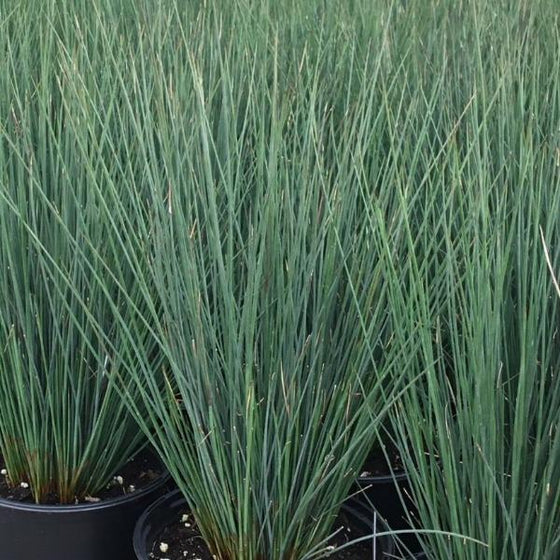


Images Depict Mature Plants
Juncus Blue Arrow
Juncus effusus 'Blue Arrow'
Blue Arrows Juncus is a great choice when you want a clean vertical accent instead of the curly look of Big Twister. The blue-green stems add structure without feeling heavy, and the plant is especially useful in rain gardens, pond edges, wet containers, and modern planters. Keep it moist while it establishes, give it sun to part shade, and use it where that upright shape can really show.

15% OFF SITEWIDE, USE CODE 'ENDOFSUMMER15'
📦 Free shipping on orders over $99.
Delay shipping by leaving us a message at Checkout.
Share:Recommended Add-Ons


An Upright Blue-Green Rush for Wet Soil and Modern Texture
Stiff Blue-Green Stems with Clean Vertical Form
Blue Arrows Juncus is an upright ornamental rush grown for its narrow, stiff, blue-green stems. Botanically known as Juncus inflexus ‘Blue Arrows’, this grass-like perennial adds strong vertical texture to containers, rain gardens, pond edges, poolside plantings, wet borders, and modern landscape designs.
Unlike corkscrew rush varieties, Blue Arrows has a clean, straight, architectural form. The blue-green color softens the look while still giving the plant a structured, upright presence. Use it where you want movement, height, and texture without relying on showy flowers.
A Rush That Handles Wet Soil and Heat
Blue Arrows Juncus performs especially well in moist to wet soil, making it a natural fit for rain gardens, pond edges, streamside plantings, water gardens, and areas with periodic waterlogging. It can also tolerate shallow standing water in appropriate settings.
One of its best qualities is adaptability. Although it is often used like a wetland plant, Blue Arrows is also more drought-tolerant once established than many moisture-loving perennials. That makes it useful for rain gardens and bioretention-style plantings where soil conditions may shift from wet to temporarily dry.
Excellent in Containers and Mixed Planters
Blue Arrows Juncus is a strong container plant, as its upright stems add instant height and structure. Use it as a thriller in mixed patio containers, porch pots, poolside planters, water bowls, and seasonal displays.
Its blue-green foliage pairs well with trailing annuals, colorful foliage plants, flowering perennials, and moisture-loving companions. In containers, keep the soil consistently moist, especially during summer heat, because pots dry out faster than garden beds.
A Low-Maintenance Accent for Sun to Part Shade
Plant Blue Arrows Juncus in full sun to part shade. Full sun supports the strongest upright growth when moisture is available, while part shade can be helpful in hotter regions or exposed containers.
The plant is generally low maintenance and grows for foliage rather than flowers. Small straw, brown, or greenish rush flowers may appear in late spring to summer, but they are not the main ornamental feature. The real value is the upright blue-green texture.
Durable Structure for Rain Gardens and Wet Borders
Blue Arrows Juncus commonly grows about 2–3 feet tall with a narrow spread of roughly 12–18 inches, making it useful where vertical texture is needed without taking up too much ground space. It works well in groups, as a repeated accent, or as a single architectural focal point.
Use it with other moisture-loving plants to create a layered wet-site planting, or place it in modern containers where its clean lines can stand alone. If the plant looks tired after winter, trim damaged stems in late winter or early spring before new growth fills in.
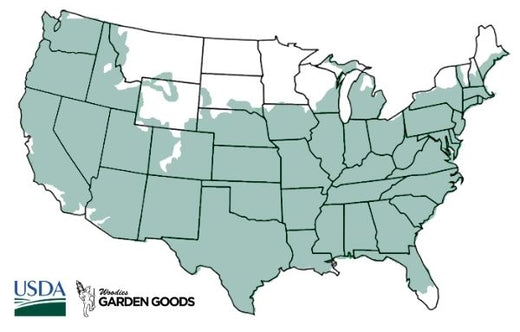
| Hardiness Zone: | 5-9 |
|---|---|
| Mature Height: | 24 to 36 Inches |
| Mature Width: | 12 to 18 Inches |
| Sunlight: | Full sun to part shade |
| Soil | Moist to wet soil preferred; adapts to average soil once established; tolerates shallow standing water |
| Water Requirements: | Keep consistently moist after planting; tolerates wet soil and periodic drought once established |
| Bloom Time / Color | Late spring to summer; small straw, brown, greenish, or reddish-brown flowers are generally insignificant |
| Ornamental Features | Blue-green upright foliage, vertical architectural habit, wet-soil tolerance, container structure |
| Wildlife Value | Provides wetland-edge texture and ground-level cover |
| Resistance | Generally deer resistant; low maintenance; heat tolerant; wet-soil tolerant; drought tolerant once established |
| Landscape Uses | Rain garden, pond edge, water garden, wet border, poolside planting, container, patio pot, modern landscape accent, bioretention area, mixed perennial bedRain garden, pond edge, water garden, wet border, poolside planting, container, patio pot, modern landscape accent, bioretention area, mixed perennial bed |
How to Care for Juncus Blue Arrow
aBefore buying your new Blue Arrows Juncus, make sure to read the recommended care instructions

How should I plant Blue Arrows Juncus?
Plant Blue Arrows Juncus in full sun to part shade with moist to wet soil. Choose a location where the upright blue-green stems can add clean structure, such as a rain garden, pond edge, wet border, poolside planting, patio container, or modern landscape bed. Dig a hole about as wide as the root ball and just as deep. Set the crown level with the surrounding soil, backfill gently, and water thoroughly. In water gardens or wet areas where control is needed, plant it in a container or submerged pot.

How often should I water Blue Arrows Juncus after planting?
Water Blue Arrows Juncus deeply after planting and keep the soil consistently moist while roots establish. This plant handles wet soil well, so steady moisture is usually more helpful than allowing the root zone to dry. Once established, Blue Arrows can tolerate short dry periods better than many wet-site plants. In containers, check moisture often during hot weather and water before the potting mix dries completely.

When should I fertilize Blue Arrows Juncus?
Blue Arrows Juncus usually needs little fertilizer in average garden soil or rain garden settings. A light spring application of compost or a mild slow-release fertilizer is enough for most plantings. Avoid heavy feeding, especially in containers or wet areas. Proper light, consistent moisture, and good placement are more important than frequent fertilizer.

When and how should I prune Blue Arrows Juncus?
Prune Blue Arrows Juncus in late winter or early spring by removing browned, tired, or winter-damaged stems. Cut damaged growth close to the base before fresh new stems begin to fill in. During the growing season, trim out individual browned stems as needed to keep the plant looking clean. If a clump becomes crowded, divide it in spring and replant healthy sections.
Frequently Asked questions
Is Blue Arrows Juncus the same as Juncus inflexus ‘Blue Arrows’?
How tall does Blue Arrows Juncus grow?
Does Blue Arrows Juncus need wet soil?
Can Blue Arrows Juncus grow in containers?
Does Blue Arrows Juncus grow in sun or shade?
Is Blue Arrows Juncus deer resistant?
Related Blogs
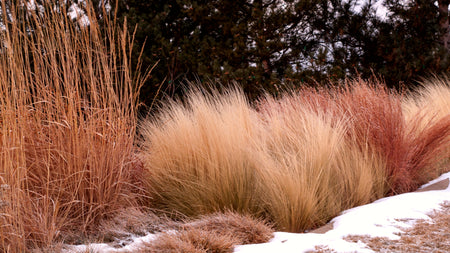


Other Products you may be interested in
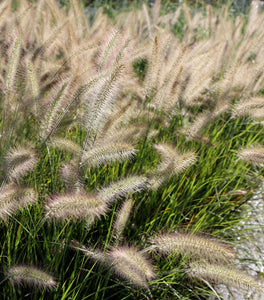


Customer Reviews
- RLRomona L. D.Verified Buyer1 week agoRated 5 out of 5 starsGreat package! Fast delivery
The plants are healthy and arrived in perfect condition. Let’s hope can keep them that way.
GGGarden Goods Direct6 hours agoThank you for your review! We're so glad to hear your plants arrived healthy and in perfect condition. With proper care, we hope they continue to thrive and bring you enjoyment. We appreciate your support and wish you success with your gardening!
- CCLAUDIAVerified Buyer1 year agoRated 5 out of 5 stars5 Stars
Just love this elegant blue junncos reed grass. Provides lovely upward sweep to complement many areas in the garden.. Excellent and healthy quality plant.
- AHAngelA H.2 years agoRated 5 out of 5 stars5 Stars
Great quality of plants, fast delivery
- DSDebbie S.3 years agoRated 5 out of 5 stars5 Stars
Love the blue color offset with mondo grass!
- EAEnis A.3 years agoRated 5 out of 5 stars5 Stars
Very elegant and sharp component for a modern landscaping