Images Depict Mature Plants
Bleeding Hearts Heliopsis
Heliopsis helianthoides var. scabra 'Bleeding Hearts'
Bleeding Hearts is a good choice when you like the durability of false sunflower but want more than another block of yellow. Fresh flowers open in strong red-orange shades, then soften toward copper and gold, so the plant changes as the season moves along. The dark stems make that color even better. Give it full sun, average soil and enough room to branch. Avoid overfeeding it, and you will get stronger stems, more flowers and a much more natural-looking plant.

20% Off Sitewide Sale!
Use Code 'ENDOFSEASON20' At Checkout
📦 Free shipping on orders over $99.
Delay shipping by leaving us a message at Checkout.
Share:

Changing Red-Orange Flowers on Dramatic Dark Stems
Red-Orange Flowers Bring a New Look to False Sunflower
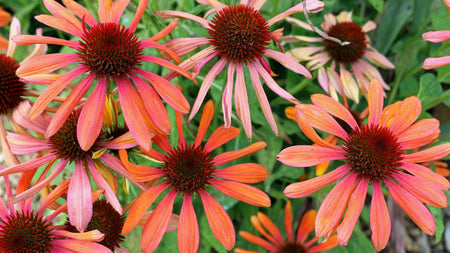
Bleeding Hearts Heliopsis transforms the familiar golden false sunflower with flowers that begin in intense shades of orange-red. The warm coloring provides a striking alternative to traditional yellow Heliopsis and stands out beautifully among purple, blue, white, and burgundy companion plants.
As each flower matures, its color gradually shifts from red-orange toward golden orange while retaining a darker red center. Fresh and older blooms remain open together, creating a changing mixture of red, copper, orange, and gold across the plant.
The daisy-like flower heads rise clearly above the foliage and continue opening from midsummer into fall. In favorable conditions, the display can last from July until frost, providing dependable color when many earlier perennials have begun to fade.
Because Bleeding Hearts is a seed strain rather than a single cloned plant, individual plants may show slight differences in flower intensity. That natural variation adds depth to a mass planting while preserving the cultivar’s overall red-orange character.
Black Flower Stems and Bronze-Tinted Leaves Add Extra Contrast
The flowers are only part of the show. Bleeding Hearts develop dark purple to nearly black flower stems that provide dramatic contrast beneath the warm-colored blooms.
Its deep green leaves emerge with bronze or purple highlights, particularly on young growth and in strong sunlight. Those darker tones help distinguish the plant from ordinary green-leaved Heliopsis before the first flowers appear.
The foliage has the coarse, lightly textured character typical of false sunflower. Leaves are arranged along upright, branching stems that gradually form a full and bushy perennial clump.
Color intensity can vary with sunlight, temperature, and individual seed-grown plants. Full sun generally encourages the strongest stems, darkest coloring, and heaviest flower production.
A Tall, Bushy Perennial for Bold Summer Borders
Bleeding Hearts Heliopsis grows approximately 36 to 40 inches tall and equally wide. Its substantial, well-branched habit makes it a strong choice for the middle or back of a sunny perennial border.
Use one plant as a warm-colored focal point or repeat several through a prairie-style planting. The dark stems and changing flowers work especially well with ornamental grasses, coneflowers, bee balm, garden phlox, and blue-flowering perennials.
The long stems also make excellent cut flowers. Harvest newly opened blooms in the morning and place them promptly in water for colorful summer arrangements.
Give each plant enough room to form its naturally broad clump. Crowding reduces airflow, while planting in excessively rich, wet soil can encourage soft growth that leans under the weight of the flower display.
Native-Rooted Flowers Feed Pollinators into Fall
Bleeding Hearts is a cultivated seed strain of false sunflower, a perennial wildflower native across much of central and eastern North America. It combines the species' familiar garden durability with a more unusual flower and foliage palette.
The flowers attract bees, butterflies, and other beneficial insects throughout the summer. Their accessible central disks provide convenient landing areas and sources of nectar and pollen.
If the final blooms are left in place, their centers mature into dark seed heads that may attract songbirds. The standing stems can also add structure to the late-fall and winter garden.
Bleeding Hearts fit naturally into native-inspired landscapes, pollinator gardens, cottage borders, cutting gardens, and sunny naturalized plantings. It is a cultivar rather than a genetically variable straight native species, but it retains the wildlife value and adaptable character associated with false sunflower.
Full Sun and Average Soil Help the Stems Stay Strong
Plant Bleeding Hearts Heliopsis in full sun for its strongest stems, darkest coloring, and fullest flower display. It tolerates partial sun, but plants receiving less than six hours of direct light may grow more loosely and produce fewer flowers.
Average, well-drained soil is better than heavily fertilized soil. Heliopsis adapts to clay, loam, and sandy conditions and can tolerate occasional dryness after its roots are established.
Water regularly during the first growing season, then provide supplemental water during prolonged drought. Avoid keeping the root zone constantly wet, and use fertilizer sparingly to prevent overly lush growth.
Deadhead faded flowers to encourage continued blooming and reduce self-seeding. Leave some late-season flower heads for birds when desired. Cut the old stems back after the frost, or leave them standing until late winter, before the new spring growth begins.
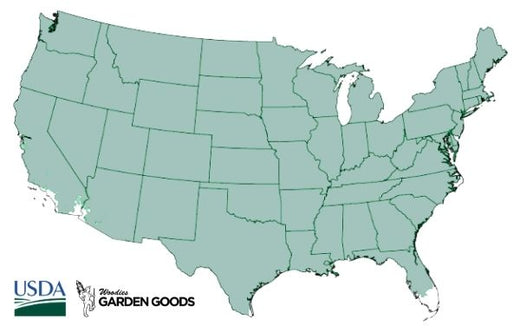
| Hardiness Zone: | 3-9 |
|---|---|
| Mature Height: | 36 to 40 Inches |
| Mature Width: | 36 to 40 Inches |
| Sunlight: | Full sun to partial sun; best flowering and stem strength with at least 6 hours of direct sunlight |
| Water Requirements: | Average; water consistently during establishment and during prolonged drought |
| Soil | Average-fertility, well-drained clay, loam or sandy soil |
| Bloom Time / Color | Midsummer until frost; new flowers open intense orange-red and mature to golden orange with red centers |
| Ornamental Features | Changing red-orange flowers; dark red centers; bronze-highlighted foliage; nearly black flower stems; long bloom season |
| Wildlife Value | Attracts bees, butterflies and other pollinating insects; mature seeds may feed songbirds |
| Resistance | Tolerates heat, occasional drought, dry soil and poor soil after establishment; generally considered resistant to deer and rabbits |
| Landscape Uses | Pollinator gardens; prairie plantings; cottage gardens; cutting gardens; middle or back borders; mass plantings; native-inspired landscapes |
How to Care for Bleeding Hearts Heliopsis
Be sure to read our planting instructions to ensure a healthy and happy Bleeding Hearts Heliopsis for years to come!
-v1785773466237.png?92x91)
How should I plant Bleeding Hearts Heliopsis?
Choose a location with full sun, good drainage and enough space for a plant that can reach approximately 40 inches tall and wide. Dig a hole about twice as wide as the nursery container but no deeper than the root ball. Set the crown level with the surrounding soil. Backfill with the loosened native soil, press gently around the roots and water thoroughly. Space multiple plants approximately 36 to 40 inches apart. Add a two-inch layer of mulch to conserve moisture, keeping it slightly away from the crown and lower stems.

How often should I water Bleeding Hearts Heliopsis after planting?
Water deeply immediately after planting and keep the root zone evenly moist during the first growing season. Check the soil regularly and water when the upper one or two inches begin to dry. Once established, Bleeding Hearts tolerates occasional dry conditions. Provide a deep soaking during extended heat or drought, but avoid frequent shallow watering and soil that remains continuously saturated.
-v1785773467370.png?90x89)
When should I fertilize Bleeding Hearts Heliopsis?
Apply a thin layer of compost around the plant in early spring as new shoots appear. Average garden soil usually supplies enough nutrition without additional feeding. Where growth is weak, use a light application of balanced slow-release fertilizer according to its label. Avoid heavy feeding because rich soil and excessive nitrogen can produce soft stems that lean or require support.

When and how should I prune or cut back Bleeding Hearts Heliopsis?
Deadhead spent flower heads throughout summer by cutting each stem back to a healthy leaf or developing side branch. This encourages additional flowers and reduces the number of volunteer seedlings. After frost browns the plant, cut the stems back to approximately three or four inches above the ground. The final seed heads can instead remain through winter for birds and be removed in late winter before new growth appears.