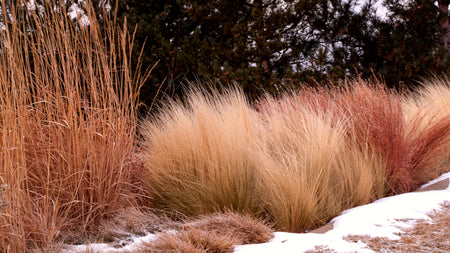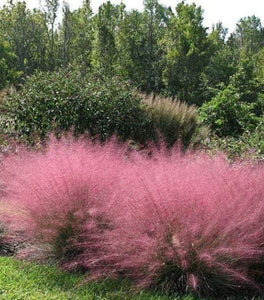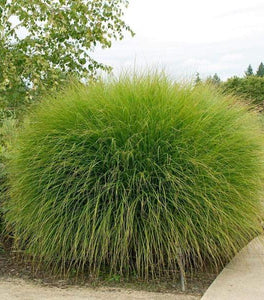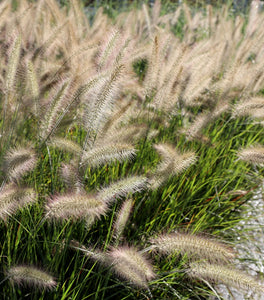

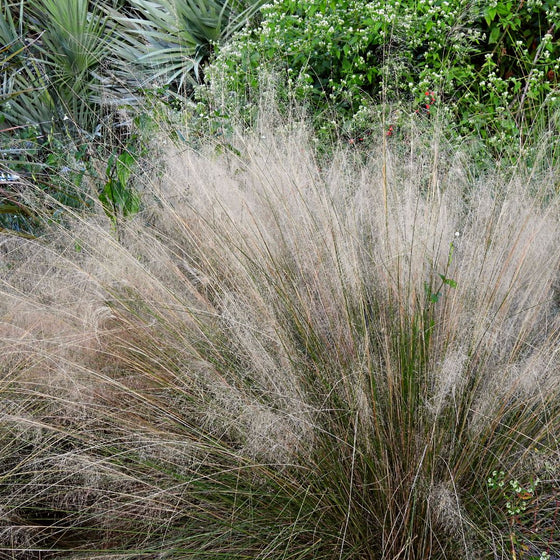


Images Depict Mature Plants
White Cloud Muhly Grass
Muhlenbergia capillaris 'White Cloud'
I've always liked Muhly Grass because there aren't many plants that can create such a dramatic effect with something as delicate as their flowers. White Cloud Muhly Grass takes that idea in a different direction, replacing the familiar pink color with these beautiful, airy ivory-white plumes that almost seem to float above the foliage. What really gets my attention is how the flowers catch the sunlight, especially later in the afternoon when they take on a soft, glowing appearance. I particularly like planting White Cloud in groups of five or seven along a sunny border or in large naturalistic drifts, where you can really appreciate that cloud-like effect. Another great combination is to plant it with Pink Muhly Grass because the two bloom at slightly different times, giving you an extended fall display. One thing I always recommend is making sure the soil drains well, especially during winter. Muhly grasses generally don't appreciate sitting in cold, wet soil, and that's especially important in the northern parts of their growing range. Once established, White Cloud handles summer heat and periodic drought well, and deer usually leave it alone. Give it plenty of sun, don't overfertilize it, and leave those beautiful plumes standing through winter. For homeowners who want an ornamental grass that offers something truly special during autumn, White Cloud is one I would definitely recommend.
$23.96 with code SAVINGS20 at checkout Save $5.99
📦 Free shipping on orders over $99.
Delay shipping by leaving us a message at Checkout.
Share:



White Cloud Muhly Grass – Billowing Ivory-White Plumes for Spectacular Fall Landscapes
White Cloud Muhly Grass Creates a Spectacular Display of Ivory-White Fall Flowers
White Cloud Muhly Grass is one of those ornamental grasses that can completely change the appearance of a garden when autumn arrives. Throughout spring and summer, it develops an attractive clump of fine-textured, blue-green foliage with a graceful, upright growth habit. Then, as many flowering perennials begin slowing down, the plant produces an extraordinary display of billowing ivory-white flower panicles that seem to float above the foliage. The effect is light, airy, and almost mist-like, especially when sunlight passes through the delicate flowers. Unlike traditional Pink Muhly Grass, which produces clouds of rosy-pink color, White Cloud offers a cleaner, softer appearance that works beautifully in white gardens, contemporary landscapes, and naturalistic planting designs.
What makes White Cloud Muhly Grass especially valuable in landscape design is its ability to provide dramatic seasonal interest without appearing heavy or overpowering. Its fine flower stems create movement with even a gentle breeze, adding an attractive sense of motion to outdoor spaces. The white plumes can look particularly impressive when positioned where morning or late-afternoon sunlight illuminates them from behind. Plant a single specimen as a graceful accent, or group several plants together to create a breathtaking sweep of white ornamental grass across the landscape. For homeowners seeking something more unusual than the familiar pink muhly, this cultivar offers a distinctive combination of elegant flowers, attractive foliage, and beautiful late-season texture.
Later-Blooming White Plumes Extend the Beauty of Your Garden Into Fall
One of the characteristics that separates White Cloud Muhly Grass from ordinary Pink Muhly Grass is its later flowering period. While many pink muhly varieties reach their peak display during early autumn, White Cloud typically begins its strongest flowering somewhat later, often producing its spectacular ivory-white panicles during September, October, and November, depending on the growing region. Its delicate flowers develop in open, branching clusters that rise above the foliage, creating a soft, feathery appearance. These airy flower heads are especially attractive when planted in sunny locations where their translucent quality becomes more noticeable. The white coloration provides an elegant alternative for homeowners who prefer a restrained garden palette or want to contrast ornamental grasses with brightly colored autumn perennials.
The flowering display does not necessarily end when the first cool weather arrives. As the flowers mature and seed heads develop, the delicate plumes can remain attractive well into winter, depending on local weather conditions. Over time, the white flowers gradually fade toward soft cream, buff, and tan tones, maintaining texture even after the growing season has ended. These persistent seed heads can look beautiful against stone pathways, evergreen shrubs, and dormant perennial beds. I particularly like the way White Cloud Muhly Grass carries the landscape from fall into winter without requiring additional seasonal plantings. Because it blooms later than Pink Muhly Grass, the two can also be planted together to create an extended sequence of flowering interest, beginning with rosy-pink clouds and finishing with beautiful white plumes.
Upright Blue-Green Foliage Adds Graceful Texture and Natural Movement
Even before its flowers appear, White Cloud Muhly Grass makes an attractive addition to sunny landscapes. The plant develops narrow, blue-green leaves that form a graceful, upright-to-arching clump, providing a soft texture that contrasts beautifully with broadleaf shrubs and flowering perennials. Compared with traditional Pink Muhly Grass, White Cloud generally develops a somewhat taller, more open habit. Mature foliage may reach approximately 3 to 4 feet in height under favorable conditions, while its flowering stems can carry the display to 4 or even 5 feet tall. This gives the grass enough presence to stand out in the middle or back of a perennial border without creating the dense, solid appearance of a large evergreen shrub.
The slender foliage is particularly effective when used to connect plants with different shapes and textures. Place White Cloud behind rounded flowering perennials, beside upright native grasses, or near dark green evergreens to emphasize its airy structure. In spring and summer, the foliage contributes a cool blue-green color and fine texture to the garden. As temperatures fall, the grass gradually transitions toward tan and straw-colored winter tones. Because it is a warm-season perennial grass, White Cloud begins its strongest new growth as temperatures warm and becomes dormant during winter. This natural cycle creates a changing display that remains appealing throughout much of the year. For homeowners who appreciate graceful movement, soft foliage, and an elegant natural appearance, White Cloud offers far more than its beautiful autumn flowers.
An Outstanding Ornamental Grass for Mass Plantings, Borders, and White Gardens
White Cloud Muhly Grass is particularly impressive when planted in groups, where its individual flower panicles combine into a continuous cloud of shimmering ivory-white color. A single specimen makes a beautiful accent, but three, five, or more plants arranged in a sweeping drift create a much stronger landscape effect. This makes White Cloud a wonderful choice for sunny perennial borders, meadow-style gardens, large foundation beds, and contemporary landscape designs. The open texture of its flowers allows surrounding plants to remain partially visible, creating a layered appearance that feels natural rather than crowded. Its bright white plumes are especially effective against dark green shrubs, ornamental evergreens, and plants with burgundy or reddish autumn foliage.
For a successful planting, allow approximately 2 to 3 feet between individual clumps, adjusting spacing according to the desired appearance and the expected mature width. In larger landscape designs, White Cloud can be repeated across a broad area to create a meadow-like effect without the need for a traditional lawn. It also works beautifully along sunny walkways and in large decorative containers, where the flowering stems can move freely in the breeze. Because the plant develops an upright habit, it adds height and presence without requiring much horizontal space. I especially like combining White Cloud with Purple Coneflowers, Black-Eyed Susans, Autumn Joy Sedum, and Little Bluestem for attractive contrasts in flower color, foliage texture, and seasonal growth. With thoughtful placement, this grass provides a beautiful finishing touch to fall landscapes.
Drought Tolerance and Deer Resistance Make White Cloud Muhly Grass Easy to Maintain
White Cloud Muhly Grass is an excellent choice for homeowners looking for a low-maintenance ornamental grass that tolerates heat and seasonal drought once established. It performs best in full sun and well-drained soil, making it suitable for many ordinary residential landscapes. Sandy, rocky, or relatively poor soils can support healthy growth as long as drainage is adequate. Once the roots have established, White Cloud generally requires less supplemental irrigation than many moisture-loving ornamental plants. Its ability to tolerate hot, humid growing conditions also makes it a useful addition to southern and coastal landscapes. However, young plants should receive consistent watering during their first growing season, and plants in extremely hot, arid climates may need more frequent irrigation than gardeners expect.
Another valuable characteristic is its generally good resistance to deer browsing. Although no ornamental grass is completely deer-proof, muhly grasses are usually less attractive to deer than many flowering perennials. White Cloud also develops a tidy, clump-forming habit rather than spreading aggressively through long underground runners, making it easier to incorporate into managed landscapes. Routine maintenance is straightforward: allow the foliage and flower heads to remain standing through winter, then cut the old growth back in late winter or early spring before new shoots emerge. Avoid heavy fertilization, which can encourage excessively lush growth and reduce the plant's naturally graceful appearance. With good drainage, adequate sunlight, and a little patience during establishment, White Cloud can provide beautiful seasonal interest with relatively little routine care.
White Cloud Muhly Grass Brings Beautiful Contrast to Native and Naturalistic Landscapes
White Cloud Muhly Grass is a cultivated selection of a North American native ornamental grass, making it an appealing choice for homeowners who want to incorporate native species into ornamental gardens. Its graceful foliage and airy fall flowers fit naturally into prairie-inspired plantings, meadow gardens, and informal perennial borders. Unlike ornamental grasses grown primarily for large, dense plumes, White Cloud produces an open display that allows neighboring plants to remain visible through the flowering stems. This makes it especially useful for creating landscapes with multiple layers of color, texture, and movement. Pairing it with other sun-loving native plants can produce a beautiful garden that changes continuously as different species reach their peak ornamental season.
For a striking late-season combination, plant White Cloud near Little Bluestem, Purple Coneflowers, Black-Eyed Susans, or fall-blooming Asters. The grass's ivory-white flowers contrast with the reddish and copper tones of Little Bluestem, while purple- and yellow-flowering perennials add bright seasonal color. In a white garden, pair White Cloud with white-flowering perennials and silver-toned foliage to create a softer, more coordinated look. Its persistent seed heads also provide winter texture and may contribute limited food and cover opportunities for garden wildlife. Because White Cloud is a clump-forming grass that prefers sunny, well-drained locations, it works especially well in landscapes where adequate drainage and space for mature growth are available. Whether used in a formal border or a relaxed meadow planting, White Cloud adds an unforgettable combination of elegance, movement, and autumn beauty.
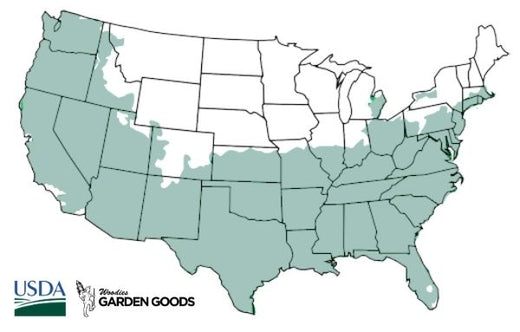
| Hardiness Zone: | 6-10 |
|---|---|
| Mature Height: | Approximately 3–4 feet; flowering stems may reach 4–5 feet |
| Mature Width: | Approximately 24–36 inches; potentially 3–4 feet in vigorous plantings |
| Sunlight: | Full sun preferred; tolerates light partial shade, with reduced flowering possible in excessive shade |
| Soil | Well-drained sandy, rocky, loamy, or average soils; tolerates poor soil; avoid prolonged winter waterlogging |
| Water Requirements: | Moderate during establishment; low to moderate once established; supplemental water during prolonged drought |
| Bloom Time / Color | Fall, generally September–November; often later than Pink Muhly Grass / Ivory-white to creamy white |
| Ornamental Features | Billowing ivory-white fall flower panicles, narrow blue-green foliage, upright arching clumps, persistent winter seed heads, fine texture and movement |
| Wildlife Value | Seed-eating birds may visit mature seed heads; clumps provide shelter for small wildlife and invertebrates |
| Resistance | Deer, Rabbits, Heat, Humidity, Drought Once Established, Poor Soil, Urban Conditions, Black Walnut; some salt tolerance |
| Landscape Uses | White gardens, sunny borders, mass plantings, meadow gardens, prairie-style landscapes, large containers, slopes, naturalistic plantings, perennial beds, commercial landscapes |
How to Care for White Cloud Muhly Grass
Before you buy a White Cloud Muhly Grass, make sure to read about the care instructions to keep this plant healthy and thriving.

How should I plant White Cloud Muhly Grass?
Plant White Cloud Muhly Grass in a location receiving full sun for most of the day, ideally at least six hours of direct sunlight. Adequate sunlight encourages strong, upright growth and the most impressive ivory-white fall flower display. Choose a site with well-drained soil, as this grass does not perform well where water remains around the roots for extended periods. Sandy, rocky, loamy, and average garden soils are generally suitable, provided drainage is adequate. Spring planting is particularly beneficial in colder portions of its growing range because the roots have an entire growing season to become established before winter. In warmer areas, early fall planting is also possible when sufficient time remains before cold weather arrives. Dig a planting hole approximately twice as wide as the root ball and no deeper than its height. Carefully remove the plant from its container and loosen any tightly circling roots. Position the top of the root ball level with or slightly above the surrounding soil and backfill with the original soil. Water thoroughly after planting to settle the soil around the roots. When creating a group planting, space White Cloud Muhly Grass approximately 24–36 inches apart on center, allowing enough room for the mature foliage and flower stems to develop. Apply a light layer of mulch around the root zone, keeping the mulch away from the crown. Avoid heavy, moisture-retentive amendments in poorly drained soil, since good drainage is especially important for winter survival.

How often should I water White Cloud Muhly Grass after planting?
During the first growing season, White Cloud Muhly Grass requires consistent watering while the root system becomes established. Check the soil regularly and water deeply whenever the root zone begins to dry. As a general starting point, approximately 1 inch of water per week, including rainfall, may be appropriate for many garden locations, but irrigation should be adjusted according to rainfall, temperature, drainage, and soil texture. Sandy soils may require more frequent watering than heavier soils. Avoid repeated light watering that only moistens the surface, since deeper irrigation encourages healthier root development. The goal is to provide enough moisture for establishment without keeping the crown or roots constantly wet. Once established, White Cloud Muhly Grass becomes tolerant of periodic drought and generally requires less supplemental irrigation. However, prolonged periods of extreme heat or drought can reduce plant vigor and ornamental quality, particularly in dry inland climates. Water deeply when extended dry conditions cause noticeable stress rather than maintaining a constantly saturated root zone. Container-grown plants require more frequent checks because their potting mix can dry quickly during summer. One important consideration is that White Cloud may not perform as well in very hot, arid environments as it does in more humid climates, even when irrigation is provided. Healthy growth depends on balancing available moisture with good drainage and suitable environmental conditions.

When should I fertilize White Cloud Muhly Grass?
White Cloud Muhly Grass generally requires very little supplemental fertilizer, particularly when growing in ordinary, well-drained garden soil. The best approach is to begin with a soil test and determine whether additional nutrients are needed. If the soil is extremely poor or the plant shows signs of nutrient deficiency, apply a modest amount of balanced, slow-release fertilizer in early spring as new growth begins, following the manufacturer's directions. A light application of compost may also be appropriate when soil organic matter is limited, provided it does not interfere with drainage. Healthy established plants often perform well without routine fertilization. Avoid heavy nitrogen applications, which can encourage excessively lush foliage at the expense of the plant's naturally upright growth habit. Overfertilized ornamental grasses may become floppy, less attractive, or more prone to problems associated with overly dense foliage. Excess fertilizer also cannot correct conditions caused by inadequate sunlight or poorly drained soil. If White Cloud Muhly Grass appears weak or produces very few flowers, inspect its growing conditions before increasing fertilizer applications. In most residential landscapes, full sunlight, appropriate soil drainage, and proper watering are more important than frequent feeding. Maintaining moderate fertility helps preserve the plant's graceful form and natural late-season appearance.

When and how should I prune White Cloud Muhly Grass?
White Cloud Muhly Grass is a warm-season ornamental grass that becomes dormant during winter. The best time to perform its annual cleanup is late winter or early spring before fresh green growth begins emerging from the crown. Many homeowners prefer leaving the foliage and airy white flower heads standing throughout fall and winter because they provide attractive texture long after other perennials become dormant. As the season progresses, the foliage gradually turns tan, while the seed heads may remain visible until wind, rain, or snow causes them to deteriorate. There is no need to remove this growth immediately after flowering unless the planting has become unattractive or damaged. When spring approaches, use clean pruning shears, hedge trimmers, or suitable hand tools to cut the old foliage back to approximately 4–8 inches above the ground. Avoid cutting into the crown or damaging emerging green shoots. Remove the old growth from the planting bed to encourage a clean appearance and reduce accumulated debris. If plants are very large, loosely tying the old foliage together before cutting can make cleanup easier. White Cloud Muhly Grass does not require shaping throughout the growing season and should generally be allowed to develop its natural upright form. Avoid cutting it back during summer or early fall, since doing so may interfere with the developing flower display.