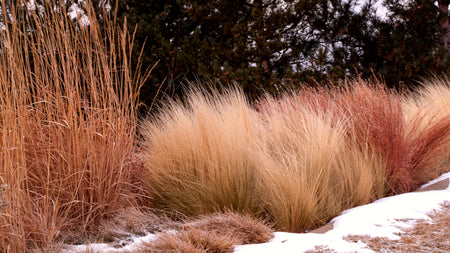


Images Depict Mature Plants
Prairie Winds® 'Cheyenne Sky' Switchgrass
Panicum virgatum 'Cheyenne Sky' PP23209
Cheyenne Sky is a really smart ornamental grass when you want bold color without giving up a tidy shape. I like it because it starts turning red earlier than many other switchgrasses, stays upright, and fits into smaller spaces much more easily than the larger varieties. It is a great choice for homeowners who want a native grass that feels polished, useful, and full of seasonal interest.
$26.36 with code SAVINGS20 at checkout Save $6.59
📦 Free shipping on orders over $99.
Delay shipping by leaving us a message at Checkout.
Share:Recommended Add-Ons


Compact Upright Texture With Early Wine-Red Color
Cheyenne Sky Switchgrass Brings Brilliant Wine-Red Color to Smaller Gardens
Cheyenne Sky Switchgrass is an exceptional ornamental grass for homeowners who want bold foliage color without planting something that becomes too large for the landscape. This attractive selection of native Switchgrass begins the growing season with narrow, blue-green leaves that develop a beautiful wine-red color in early summer. As the season progresses, the red coloration spreads across more of the foliage, eventually creating a dramatic display of deep burgundy, crimson, and purple-red tones. Unlike many ornamental grasses that develop their strongest color only as autumn approaches, Cheyenne Sky introduces red much earlier. This gives homeowners a longer season of colorful foliage without depending on flowers or other temporary ornamental features.
What makes Cheyenne Sky especially useful is its combination of compact size, strong upright growth, and remarkable summer-to-fall color. It forms a tight, vase-shaped clump that brings vertical interest to sunny borders, foundation beds, and decorative containers without overwhelming surrounding plants. The rich foliage looks especially beautiful against dark green evergreens, golden flowering perennials, and natural stone. As late summer arrives, airy wine-red flower panicles rise just above the foliage, creating an elegant display that complements the colorful leaves. For homeowners seeking a red ornamental grass that fits comfortably into smaller landscapes, Cheyenne Sky offers a distinctive combination of beauty, practicality, and seasonal interest.
Early Summer Burgundy Foliage Creates Color That Lasts Into Fall
The foliage of Cheyenne Sky Switchgrass is what makes this cultivar such an outstanding landscape plant. During spring, fresh blue-green leaves emerge from the crown and gradually develop into a dense, upright clump. As early summer progresses, wine-red coloration begins appearing along the leaf tips and blades, producing an attractive contrast between the original blue-green foliage and the developing burgundy tones. This transformation generally occurs earlier than the peak red coloration in many other Switchgrass varieties. In full sunlight, the colors become particularly attractive as the season progresses, creating a layered appearance of green, red, and purple. The narrow leaves also provide fine texture and natural movement that soften surrounding garden plants.
By late summer, much of the plant can develop a rich wine-red to burgundy appearance, giving Cheyenne Sky a striking presence even when neighboring perennials are not flowering. The red color works beautifully with yellow, orange, purple, and white flowers, making the grass particularly versatile in mixed borders. During autumn, the foliage may develop deeper burgundy and copper-red tones before gradually fading toward bronze and tan as the plant enters dormancy. The intensity and timing of the red color vary with sunlight, temperatures, and local growing conditions. Full sun is especially important for encouraging the strongest red foliage, while heavily shaded plants may remain greener or develop less vibrant coloration. For gardens where foliage color is a priority, Cheyenne Sky provides an impressive display over several months.
Compact Upright Growth Makes Cheyenne Sky Perfect for Borders and Containers
One of the most valuable characteristics of Cheyenne Sky Switchgrass is its naturally compact, upright, vase-shaped growth habit. Unlike taller Switchgrass selections that reach five or six feet, Cheyenne Sky typically develops foliage approximately two feet tall, with flowering stems bringing the overall plant to about three feet. Mature clumps generally reach 18–24 inches wide, making this one of the more manageable red ornamental grasses for residential landscapes. Its narrow, vertical shape allows it to provide noticeable color and structure without spreading far into neighboring plants. This is particularly useful along walkways, beside patios, and in smaller foundation beds, where mature plant size needs to be carefully considered.
Cheyenne Sky is also an excellent choice for decorative containers, mixed planters, and repeated landscape accents. Its compact size makes it a colorful centerpiece in a large patio container, while the upright foliage adds height without dominating the arrangement. When planted directly in the ground, use it in groups of three, five, or more to create a beautiful pattern of wine-red color. Space plants approximately 18–24 inches on-center, adjusting according to the desired density and the available room for mature growth. The tidy growth habit makes Cheyenne Sky particularly attractive in contemporary landscapes, while its natural foliage texture also fits comfortably into meadow-inspired gardens. For homeowners who want a striking ornamental grass with a relatively small footprint, this cultivar is an excellent choice.
Wine-Red Flower Panicles Add Movement and Beautiful Late-Summer Interest
As Cheyenne Sky Switchgrass approaches late summer, it produces delicate, airy flower panicles in wine-red to burgundy-purple tones. These flowers emerge above the foliage, creating a soft cloud of color that complements the richly colored leaves below. Unlike Fountain Grass, which produces dense, bottlebrush-like plumes, Cheyenne Sky develops finely branched flower clusters that allow light and surrounding plants to remain visible through the stems. This gives the plant an attractive, open appearance while preserving its compact, upright form. The flower panicles typically appear during late summer, often August into September, depending on climate and weather conditions. Their subtle movement in the breeze adds another dimension to the plant's ornamental value.
After flowering, the panicles gradually develop into seed heads that change from burgundy tones toward buff and tan. These fine seed heads may remain attractive well into autumn and winter, extending the plant's landscape value after its peak foliage color has passed. Because Switchgrass is wind-pollinated, its flowers do not provide the same nectar value as Coneflowers or other showy flowering perennials. However, the mature seeds can provide food for birds, and the standing stems offer useful cover for small wildlife. Leaving the seed heads intact through winter allows homeowners to enjoy beautiful seasonal texture and movement without additional planting or maintenance. The combination of early red foliage, matching late-summer flowers, and persistent seed heads makes Cheyenne Sky a particularly rewarding ornamental grass.
A Colorful Ornamental Grass for Mass Plantings and Sunny Landscape Borders
Cheyenne Sky Switchgrass is especially effective when used in repeating groups or larger mass plantings, where the wine-red foliage creates a continuous display of color. A single plant can provide an attractive accent, but several planted together produce a stronger landscape effect. Its relatively small mature size makes it useful for designing low ornamental grass borders without creating the overwhelming height associated with larger prairie grasses. Along a sunny walkway, a row of Cheyenne Sky can provide a clean, colorful edge that changes from blue-green in spring to burgundy-red in summer and fall. The upright clumps also complement contemporary landscape designs where repeating shapes and colors help create visual consistency.
For larger perennial beds, combine Cheyenne Sky with plants that emphasize its distinctive foliage color. Black-Eyed Susans, Purple Coneflowers, Coreopsis, and Autumn Fire Sedum all provide attractive flowering companions when planted in suitable conditions. Bright yellow flowers create a dramatic contrast with the wine-red leaves, while pink and purple blooms produce a more coordinated color palette. In prairie-inspired gardens, Cheyenne Sky can be combined with Prairie Dropseed and other native-species grasses to create a mixture of upright and fountain-shaped growth habits. Although it can provide limited seasonal screening, its compact height makes it better suited to borders, accents, and decorative plantings than tall privacy screens. This versatility is one of the main reasons Cheyenne Sky works so well in both small residential gardens and larger landscape designs.
Drought Tolerance and Deer Resistance Make Cheyenne Sky Easy to Maintain
Cheyenne Sky Switchgrass offers more than colorful foliage. As a cultivated selection of native Panicum virgatum, it is adaptable to a variety of sunny landscape conditions and becomes drought tolerant once established. It grows in clay, loam, and sandy soils and can handle average moisture as well as occasional periods of wetness. This adaptability makes it useful in ordinary residential planting beds, naturalistic landscapes, and some rain garden environments where moisture levels fluctuate. However, newly planted specimens still require consistent watering while their roots develop. Once established, Cheyenne Sky generally needs less supplemental irrigation than many moisture-loving perennials. Full sunlight is particularly important, not only for healthy growth but also for producing the strongest burgundy-red foliage.
Another advantage is its generally good resistance to deer browsing. While no plant is entirely deer-proof, Switchgrass is typically less attractive to deer than many broadleaf ornamental plants. Cheyenne Sky also requires very little fertilizer in ordinary garden soil, making it a suitable choice for homeowners who prefer simpler landscape maintenance. Avoid heavy nitrogen applications, which may encourage overly lush growth and reduce the plant's naturally tidy appearance. Annual pruning is straightforward: allow the grass to remain standing through winter, then cut the dormant stems back in late winter or early spring before new growth emerges. With proper sunlight, establishment watering, and modest soil fertility, Cheyenne Sky develops into a dependable ornamental grass that offers outstanding color with relatively little routine care.
Cheyenne Sky Switchgrass Adds Native-Species Beauty and Winter Wildlife Value
Cheyenne Sky Switchgrass is a named selection of Panicum virgatum, a North American native warm-season grass that plays an important role in natural prairie and meadow ecosystems. The cultivar maintains many of the ornamental and structural characteristics of the species, including upright stems, narrow foliage, and persistent seed heads. When planted in a diverse landscape, Switchgrass can contribute cover for small wildlife and provide seed resources for birds. The species is also documented as a larval host for certain native butterflies, including the Common Wood-Nymph. Although cultivar-specific wildlife relationships should not be assumed automatically, Cheyenne Sky can provide useful structure to native-inspired gardens and wildlife-friendly borders.
Cheyenne Sky is especially attractive when combined with native flowering perennials that provide nectar and pollen throughout the growing season. Purple Coneflowers, Black-Eyed Susans, Blazing Star, and Butterfly Weed introduce a range of flower colors while supporting pollinating insects. The grass's wine-red foliage contrasts beautifully with golden flowers, creating an attractive background for purple and pink blooms. During winter, the dormant stems turn tan and may remain standing, providing texture and shelter after neighboring perennials have disappeared. As a warm-season grass, Cheyenne Sky begins producing fresh growth when spring temperatures become consistently warm. For homeowners who want a compact ornamental grass that combines dramatic summer color with the durability and ecological background of native Switchgrass, Cheyenne Sky is an outstanding choice.
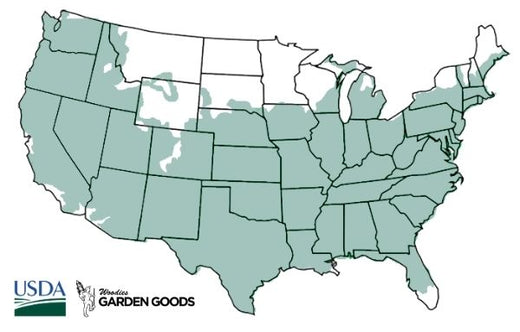
| Hardiness Zone: | 5-9 |
|---|---|
| Mature Height: | 2 to 3 Feet |
| Mature Width: | 1 to 2 Feet |
| Sunlight: | Full sun |
| Water Requirements: | Regular moisture during establishment; drought tolerant once established |
| Soil | Well-drained soil; adaptable to a range of soil types |
| Bloom Time / Color | Late summer to fall; airy reddish flower plumes |
| Ornamental Features | Tight vase-shaped habit, blue-green foliage turning wine red in early summer, upright seedheads |
| Wildlife Value | Native habitat value with seed and cover benefits |
| Resistance (deer/disease/drought/etc.) | Drought tolerant, salt tolerant, low maintenance, native and adaptable |
| Landscape Uses | Borders, mass planting, decorative containers, native gardens, sunny foundation beds, vertical accent |
How to Care for Prairie Winds® 'Cheyenne Sky' Switchgrass
Before you buy Cheyenne Sky Switchgrass, make sure to read about the recommended care instructions to keep this plant healthy and thriving.

How should I plant Cheyenne Sky Switchgrass?
Plant Cheyenne Sky Switchgrass in full sun in well-drained soil where it has room to develop its upright clump. Dig a hole about twice as wide as the root ball but no deeper than the root ball itself, then set the plant so the crown sits at soil level. Water thoroughly after planting and mulch lightly around the base to help retain moisture while the plant establishes. This grass works especially well in sunny borders, foundation beds, native plantings, and decorative containers. It looks best when given enough room to show off its narrow upright form and seasonal color rather than being crowded by larger spreading plants.

How often should I water Cheyenne Sky Switchgrass after planting?
Water deeply right after planting and keep the soil evenly moist during the first growing season. Deep watering is more helpful than frequent shallow watering because it encourages stronger root development and helps the grass establish more successfully. Once established, Cheyenne Sky is fairly drought tolerant and usually needs only supplemental water during extended dry spells. It performs best when it is not kept constantly soggy, especially in heavier soils.

When should I fertilize Cheyenne Sky Switchgrass?
Cheyenne Sky Switchgrass usually does not need heavy feeding. In most landscapes, a light application of balanced slow-release fertilizer in spring is enough if the plant appears to need support. Good sun exposure and proper drainage are often more important than frequent fertilization. Too much fertilizer can encourage overly soft growth and reduce the strong upright habit that makes this grass so useful. A moderate approach is generally best for a native ornamental grass grown mainly for structure and foliage color.

When and how should I prune Cheyenne Sky Switchgrass?
Cheyenne Sky Switchgrass is best cut back in late winter or very early spring before new growth begins. Cut the previous season’s foliage down to a few inches above the ground to make room for fresh growth. Leaving the foliage standing through fall and winter gives the plant added seasonal interest and helps preserve its texture in the landscape. A yearly cutback is usually all it needs to stay fresh and attractive.