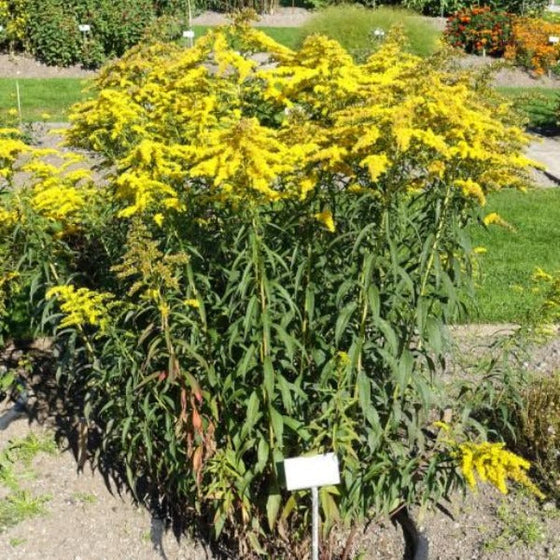
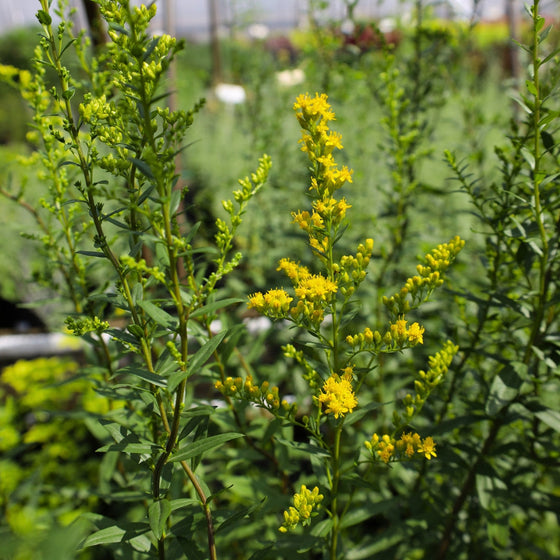


Images Depict Mature Plants
Solar Cascade Goldenrod
Solidago shortii
Solar Cascade Goldenrod is a great choice when you want goldenrod’s pollinator power in a more garden-friendly form. The arching stems and yellow late-season flowers bring movement and warmth to sunny borders, and the plant is tough once established. It is especially useful for gardeners who want drought tolerance, deer resistance, and native-style fall color without a high-maintenance plant.

15% OFF SITEWIDE SALE
Use Code 'PRIMETIME15' At Checkout
📦 Free shipping on orders over $99.
Delay shipping by leaving us a message at Checkout.
Share:Recommended Add-Ons



A Graceful Goldenrod with Cascading Late-Season Color
Golden Blooms on a Garden-Friendly Native Perennial
Solar Cascade Goldenrod is a distinctive native goldenrod cultivar grown for its golden-yellow flowers, graceful arching stems, and more refined garden habit. This clump-forming perennial brings warm late-season color to sunny borders, pollinator gardens, meadow-style plantings, and naturalized beds without the overly aggressive behavior many gardeners associate with wild goldenrods.
The plant has a relaxed, natural look, but still feels intentional in a designed landscape. Its clean green foliage and cascading flower stems add movement and texture, while the bright yellow blooms help carry the garden from late summer into fall. For homeowners who want native plant value with ornamental appeal, Solar Cascade Goldenrod is a strong choice.
Late Summer Flowers with a Cascading Golden Display
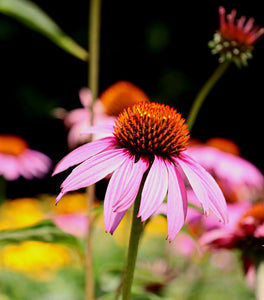
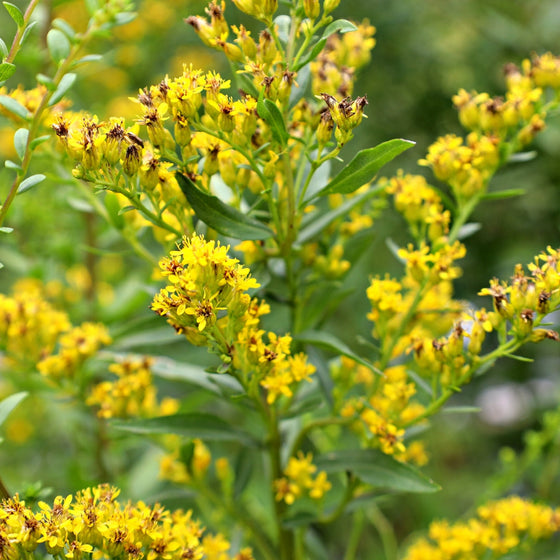
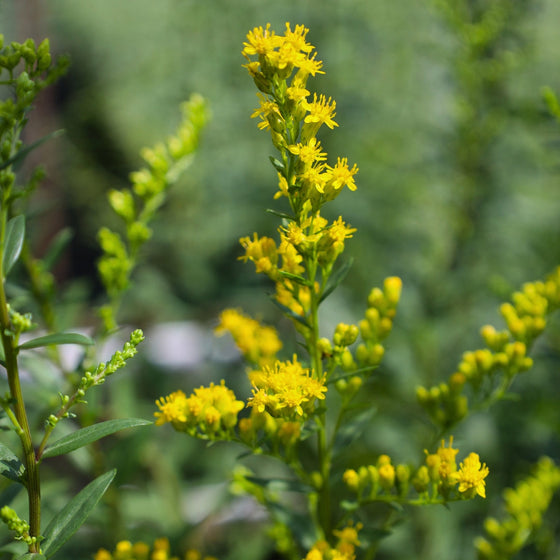
Solar Cascade Goldenrod blooms from late summer into fall, producing golden-yellow flower clusters along gently arching to cascading stems. The effect is softer and more flowing than a stiff upright perennial, giving sunny beds a natural rhythm that works beautifully with ornamental grasses, asters, coneflowers, Black Eyed Susans, sedums, and other late-season bloomers.
The flowers provide an important burst of color as many summer perennials slow down. Their warm yellow tones pair especially well with purple, blue, burgundy, and copper fall garden colors. Planting Solar Cascade in groups creates a stronger visual display and makes the late-season pollinator activity even more noticeable.
A Strong Fit for Pollinator Gardens, Meadow Edges, and Sunny Borders
Solar Cascade Goldenrod works well in the middle of perennial borders, along meadow edges, in native plant gardens, and in larger pollinator plantings. Its knee-high to mid-height habit makes it easier to place than many taller goldenrods, while its arching stems give it enough presence to stand out in mixed plantings.
Use it where the garden needs a late-season color bridge between summer bloom and fall texture. It is especially effective when repeated through a sunny border or allowed to mingle with grasses and other native-style perennials. While it can slowly spread or self-seed under favorable conditions, Solar Cascade is generally valued as a clump-forming, well-behaved goldenrod for managed landscapes.
Pollinator Friendly, Deer Resistant, and Drought Tolerant Once Established
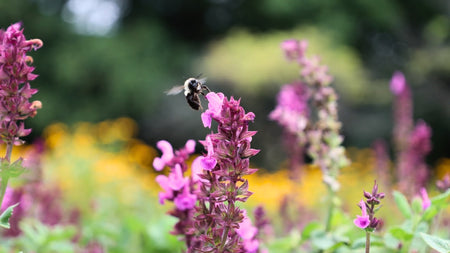
Solar Cascade Goldenrod is highly valuable for pollinators. Its late-season flowers attract bees, butterflies, and other beneficial insects when many earlier-blooming perennials have finished. Adding goldenrod to a pollinator planting helps extend the nectar and pollen season and supports a more active, wildlife-friendly garden.
This cultivar is also a practical choice for low-maintenance sunny spaces. Once established, it is drought-tolerant and adaptable to average garden soils, including dry, gravelly, or rocky conditions when drainage is good. It is generally considered deer resistant, though deer browsing can vary with local pressure. For gardeners seeking to balance beauty, resilience, and wildlife value, Solar Cascade offers a strong combination.
Easy Care with Sun, Drainage, and Room to Arch
Plant Solar Cascade Goldenrod in full sun for best flowering and strongest growth. It can tolerate part shade, but flowering is usually heaviest in sunnier locations. Well-drained soil is important, and the plant performs well in average to moist soils as long as they do not remain soggy for long periods.
Water regularly during the first growing season to help roots establish, then reduce watering once the plant is settled. Avoid heavy fertilizer, which can encourage soft growth. Cut old stems back in late winter or early spring before new growth emerges, and divide clumps as needed if they become too large or begin to lose vigor.
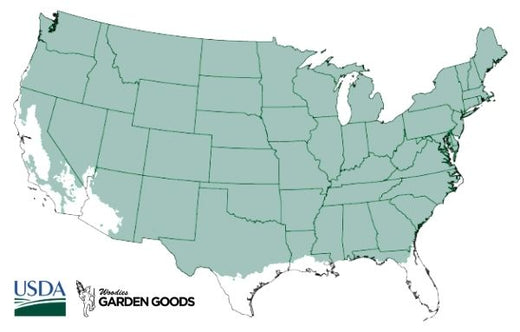
| Hardiness Zone: | 3-8 |
|---|---|
| Mature Height: | 2 to 3 Feet |
| Mature Width: | 1 to 3 Feet |
| Sunlight: | Full sun to part shade; best flowering in full sun |
| Soil | Average to moist, gravelly, rocky, or well-drained soil; adaptable once established |
| Water | Water regularly after planting; drought tolerant once established |
| Bloom Time / Color | Late summer to fall; golden-yellow flower clusters along arching stems |
| Ornamental Features | Cascading yellow flowers, late-season color, native garden texture, clean foliage, graceful habit |
| Wildlife Value | Attracts bees, butterflies, and beneficial pollinators |
| Resistance | Generally deer resistant; drought tolerant once established; adaptable to rocky or gravelly soils |
| Landscape Uses | Pollinator gardens, native plant gardens, meadow edges, sunny borders, naturalized beds, cottage gardens, wildlife gardens |
How to Care for Solar Cascade Goldenrod
Before you buy a Solar Cascade Goldenrod, make sure to read about the recommended care instructions to keep this plant healthy and thriving.

How should I plant Solar Cascade Goldenrod?
Plant Solar Cascade Goldenrod in a sunny to partly sunny location with well-drained soil. Full sun will give the strongest bloom and best overall habit, while part shade can be tolerated in warmer or more naturalized settings. Choose a spot with enough room for the stems to arch naturally as the plant matures. Dig a hole about as wide as the root ball and just as deep. Set the crown level with the surrounding soil, backfill gently, and water thoroughly. Space plants about 18–30 inches apart depending on how quickly you want the planting to fill in and how much room you want for neighboring perennials.

How often should I water Solar Cascade Goldenrod after planting?
Water Solar Cascade Goldenrod deeply after planting, then keep the soil evenly moist while the roots establish. During the first growing season, water when the top few inches of soil feel dry, especially during hot or windy weather. Once established, Solar Cascade Goldenrod is drought tolerant and usually needs less supplemental water in the ground. It performs best with average moisture and good drainage, but it can handle short dry periods. Avoid planting it where the soil stays soggy for long stretches.

When should I fertilize Solar Cascade Goldenrod?
Solar Cascade Goldenrod usually needs little fertilizer. In average garden soil, a light layer of compost in spring is often enough to support healthy growth and flowering. Avoid heavy feeding or high-nitrogen fertilizer. Too much fertility can create softer stems and a looser habit. This goldenrod performs best when grown with steady sun, good drainage, and moderate soil fertility.

When and how should I prune Solar Cascade Goldenrod?
Prune Solar Cascade Goldenrod in late winter or early spring by cutting old stems back close to the ground before new growth begins. Leaving stems standing into winter can add texture and provide habitat value, while spring cleanup keeps the plant neat. If you want a bushier, slightly shorter plant, you can pinch or cut the stems back in late spring. This may delay flowering slightly, but it can encourage fuller growth. Divide mature clumps every few years if they become too wide or need refreshing.