

Designing a Small Pollinator Garden
 By Richard "Woodie" Buller, GGD co-founder with 35+ years in horticulture
Published On: Jun 5, 2026
Share:
You don't need a meadow, a farm, or even a large backyard to help pollinators.
In fact, one of the biggest misconceptions about pollinator gardening is that it requires a lot of space. Some of the most productive pollinator gardens I've seen are no larger than a parking space. A small sunny corner of the yard, a foundation bed, a mailbox garden, or even a few well-planted containers can provide valuable food and habitat for butterflies, bees, hummingbirds, and beneficial insects.
The key isn't size.
The key is choosing the right plants and designing the space so that something is blooming throughout the growing season.
A thoughtfully designed small pollinator garden can deliver enormous benefits to local wildlife while adding beautiful color and movement to your landscape.

Why Pollinator Gardens Matter
Pollinators play a critical role in our environment.
Bees, butterflies, hummingbirds, moths, and other pollinating insects help fertilize flowers, fruits, vegetables, and countless native plants. Without pollinators, many of the plants we depend on would struggle to reproduce.
As natural habitats continue to shrink, home gardeners have an opportunity to make a real difference. Even a small pollinator garden can support local bee populations, provide nectar for butterflies, attract hummingbirds, increase biodiversity, and improve vegetable garden yields — creating a healthier ecosystem right in your backyard.
The best part is that pollinator gardens are among the most colorful and rewarding you can plant.
Start with the Right Location
Most pollinator plants thrive in full sun. Choose a location that receives at least six hours of direct sunlight daily — pollinator plants tend to bloom more heavily and attract more insects when they receive adequate sunlight.
Good locations include front yard planting beds, mailbox gardens, foundation plantings, walkway borders, patio gardens, small island beds, and raised garden beds. Even an area as small as 6 feet by 8 feet can become a thriving pollinator habitat.
Design in Layers
One of the easiest ways to make a small pollinator garden look professionally designed is to plant in layers. Think of the garden in three heights.
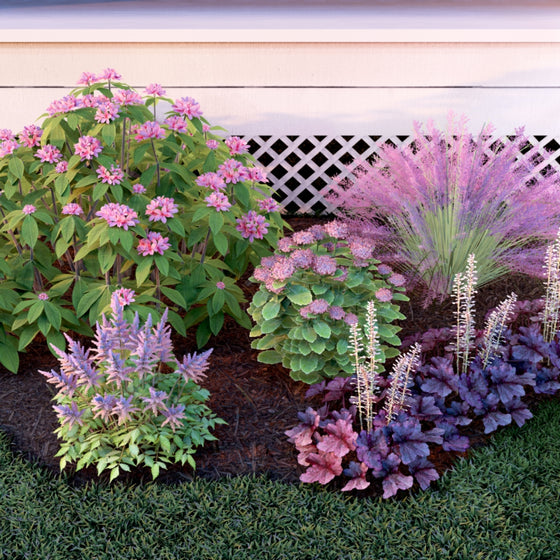
The tall layer in the back provides structure and creates visual impact. Good choices include Wild Bergamot (Monarda fistulosa), Joe Pye Weed, Raydon's Favorite Aster, and tall native grasses.
The middle layer is where much of the pollinator activity happens. Excellent choices include Echinacea, Rudbeckia, Agastache, Salvia, and Coreopsis.
The front layer of lower-growing plants softens the edge and creates a finished appearance. Consider Dianthus, Nepeta, Creeping Thyme, and low-growing native sedums.
This layered approach makes even a small pollinator garden feel full and intentional.
Choose Plants That Bloom Throughout the Season
The most successful pollinator gardens provide nectar from spring through fall. Instead of planting everything that blooms at the same time, stagger your bloom periods.
Spring pollinator plants help pollinators emerge from winter. Great choices include Dianthus, Creeping Phlox, Coreopsis, and Penstemon.
Summer pollinator plants are when the garden truly comes alive. Some favorites include Echinacea Cheyenne Spirit, Agastache Blue Fortune, Wild Bergamot, Rudbeckia American Gold Rush, and Butterfly Weed (Asclepias).
Fall pollinator plants provide critical late-season nectar sources. Include Raydon's Favorite Aster, Goldenrod, Sedum, and Joe Pye Weed. Providing flowers throughout the season ensures pollinators always have a food source.
Four Easy Pollinator Plants for Beginners
If you're building your first pollinator garden, these four plants are hard to beat.
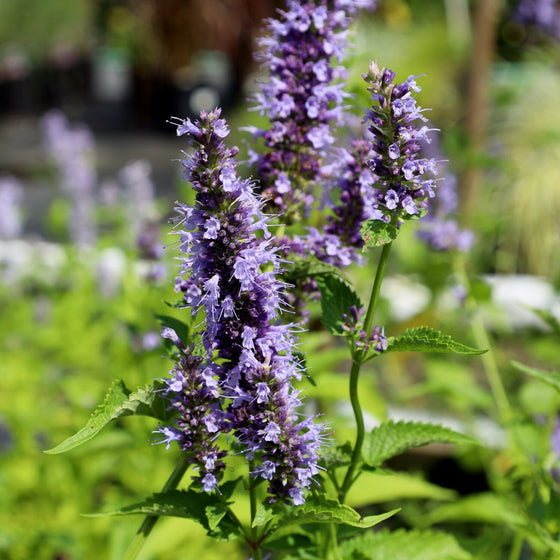
Agastache Blue Fortune
 Shop Agastache Blue Fortune
Agastache Blue Fortune is a pollinator favorite, producing lavender-blue flower spikes for much of the summer and attracting bees, butterflies, and hummingbirds in impressive numbers. Its fragrant foliage and upright habit make it an excellent centerpiece in small pollinator gardens.
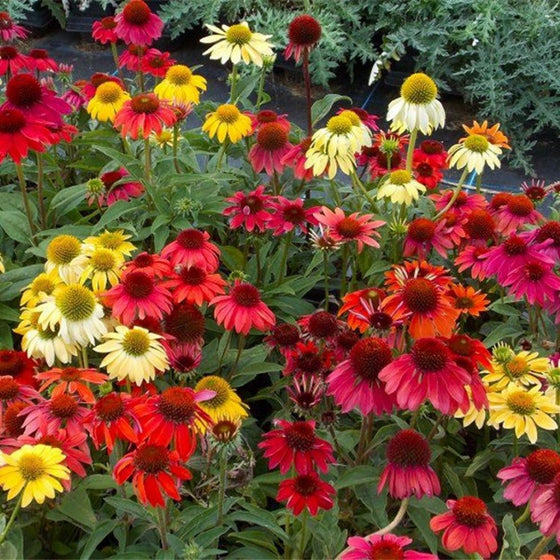
Echinacea Cheyenne Spirit
 Shop Echinacea Cheyenne Spirit
One of the most colorful coneflowers available, Cheyenne Spirit produces flowers in shades of red, orange, yellow, pink, cream, and purple. Pollinators love the blooms, while birds appreciate the seedheads later in the season.
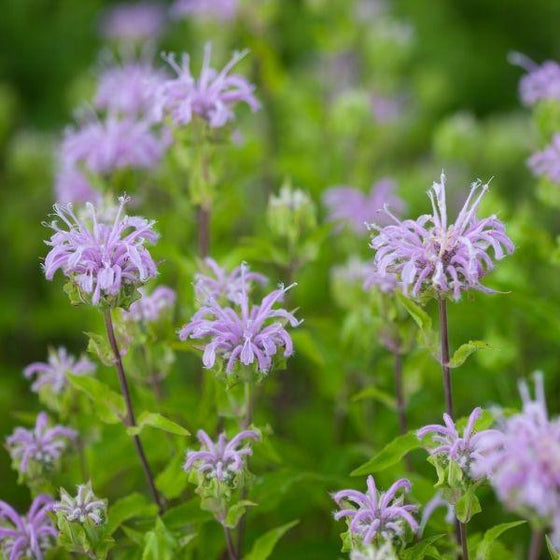
Wild Bergamot
 Shop Wild Bergamot
Wild Bergamot (Monarda fistulosa) is a native perennial that attracts an incredible variety of pollinators. Its unique blooms and fragrant foliage create a natural meadow feel while supporting bees, butterflies, and hummingbirds.
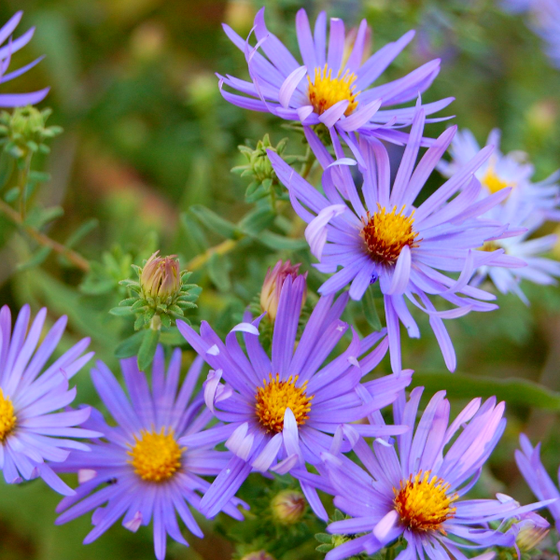
Raydon's Favorite Aster
 Shop Raydon's Favorite Aster
Few plants are more valuable in late summer and fall. When many flowers begin fading, Raydon's Favorite Aster bursts into bloom, providing critical nectar for migrating butterflies and late-season pollinators.
Don't Forget Host Plants
A truly effective butterfly garden provides more than nectar. Butterflies need host plants where they can lay eggs and raise caterpillars. Some examples include Asclepias (Milkweed) for Monarch butterflies, native grasses for many skipper species, and native asters for numerous pollinators. When you include host plants, your garden supports the entire life cycle of pollinators — not just the adult stage.
Add Water and Shelter
Pollinators need more than flowers. Consider including a shallow water dish with stones, small brush piles, native grasses, mulched areas, and hollow stems left standing through winter. These features help create a complete habitat rather than simply a feeding station.
Small Pollinator Garden Design Example
A simple 8-foot-by-10-foot pollinator garden might include:
- Back row: 2 Wild Bergamot, 2 Raydon's Favorite Aster
- Middle: 3 Echinacea Cheyenne Spirit, 3 Rudbeckia American Gold Rush, 3 Agastache Blue Fortune
- Front: 5 Dianthus, 5 Nepeta
This small planting would provide months of color and support dozens of pollinator species.
Involve the Kids
Pollinator gardens are one of the best ways to introduce children to gardening. Kids love watching butterflies visit flowers, observing bees collecting pollen, identifying different insects, watering plants, and tracking bloom times. A pollinator garden turns the landscape into a living classroom and helps build a lifelong appreciation for nature.
Woodie's Take
One of the most encouraging things about pollinator gardening is that small efforts truly matter.
You don't need acres of land to help pollinators. A single bed filled with coneflowers, asters, agastache, and native plants can become a busy hub of activity throughout the growing season.
Start small if you need to. Plant a few pollinator-friendly perennials this year. Add a few more next year. Before long, you'll notice more butterflies, more bees, more birds, and more life in your landscape.
And that's the beauty of a pollinator garden — the impact is much bigger than the space it occupies.