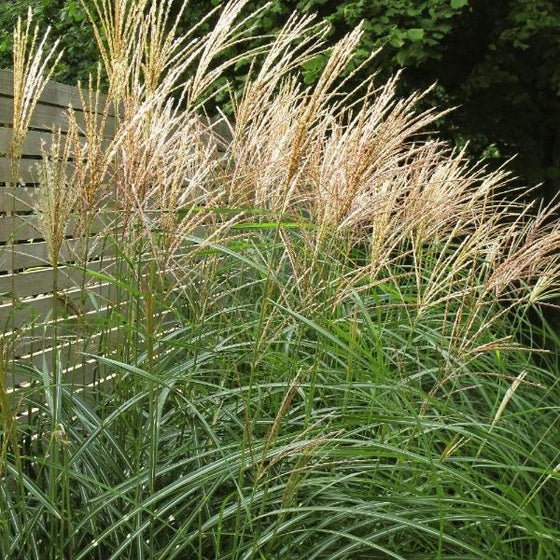
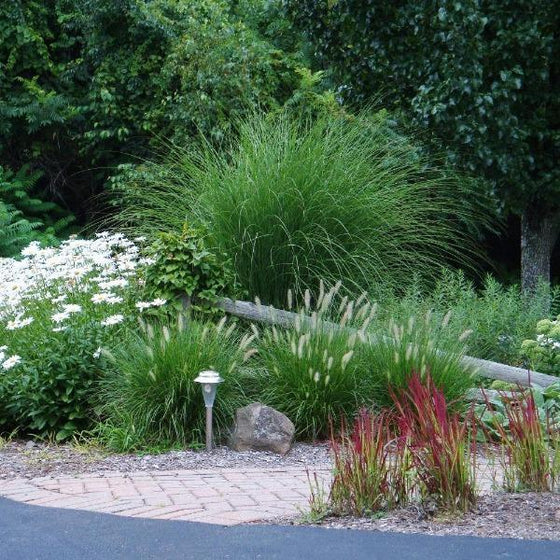
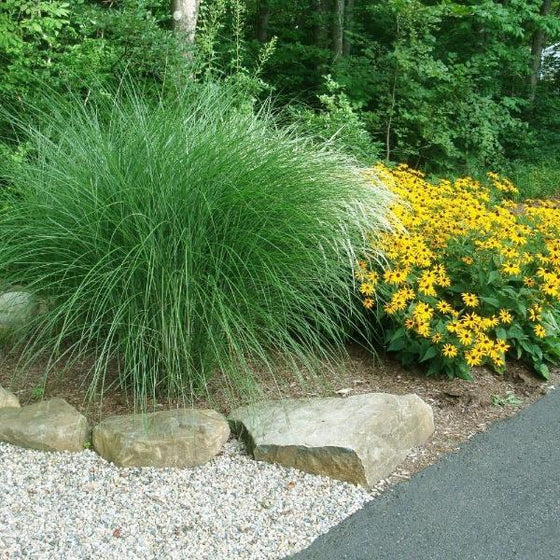


Images Depict Mature Plants
Gracillimus Maiden Grass
Miscanthus sinensis ‘Gracillimus
One of the things that stands out about Gracillimus Maiden Grass is how much softer it looks than many other tall ornamental grasses. Those exceptionally narrow green leaves with their fine white midribs create a beautiful fountain shape, and even a light breeze gives the whole plant movement. I particularly appreciate the mature height and fine texture, which can create a natural-looking backdrop without the stiff appearance of some upright grasses. Its late-season copper-colored plumes can be attractive, although I always explain that flowering isn't guaranteed in cooler climates. Give it plenty of sunlight, avoid overfertilizing, and allow room for the mature clump. There's also an important consideration I wouldn't overlook: Gracillimus belongs to Miscanthus sinensis, a species now prohibited in Maryland and regulated elsewhere. That changes whether I would recommend it for a new landscape. Where the species cannot be planted, I would look closely at native alternatives such as Northwind Switchgrass or Prairie Dropseed, depending on the height and shape needed. The goal is to achieve the right landscape effect with a plant suited to both the property and the local environment.
$24.61 with code NOVEMBER15 at checkout Save $4.34
📦 Free shipping on orders over $99.
Delay shipping by leaving us a message at Checkout.
Share:



Gracillimus Maiden Grass – Graceful Arching Foliage and Tall Seasonal Beauty
Gracillimus Maiden Grass Brings Graceful Movement to Large Sunny Landscapes
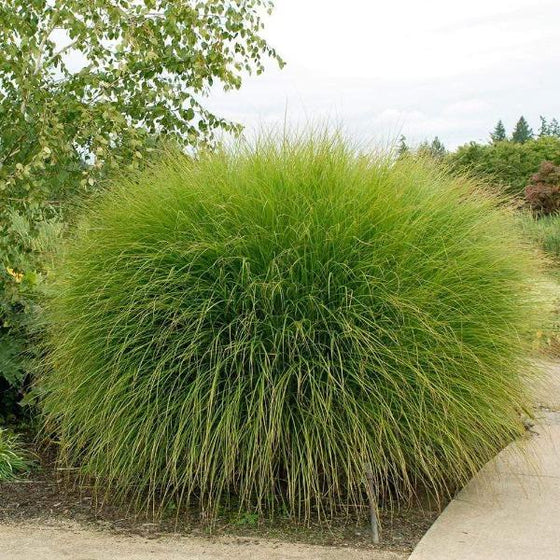
Gracillimus Maiden Grass is a distinctive ornamental grass for homeowners who appreciate fine texture, substantial height, and the natural movement of arching foliage. Its very narrow green leaves, accented by thin white midribs, create a softer appearance than many broad-leaved ornamental grasses. As new shoots emerge in late spring, the foliage gradually develops into a dense, upright-to-arching clump, with leaves that curve outward to form an attractive fountain shape. The effect becomes especially noticeable when sunlight moves across the leaves, or a breeze passes through the garden. Gracillimus can provide a beautiful contrast against dark evergreen shrubs, flowering perennials, and natural stone where a large ornamental specimen is appropriate.
One of the most important characteristics of Gracillimus Maiden Grass is its mature scale. This is not a compact accent grass intended for narrow foundation beds or small patio containers. Under suitable conditions, it can grow several feet tall and develop a broad mound of arching foliage. Its substantial size allows it to create seasonal height, texture, and movement along sunny borders and larger planting areas. For the best ornamental effect, give each clump enough space to grow naturally without crowding surrounding plants. Gracillimus is particularly appealing when its flowing foliage is allowed to develop freely rather than being repeatedly cut back to fit an undersized location.
Fine Green Leaves With White Midribs Create a Soft Fountain-Shaped Appearance
The foliage of Gracillimus Maiden Grass is its most reliable ornamental characteristic. Each leaf is exceptionally narrow and green, with a thin white central stripe, creating a delicate appearance when viewed closely. As the leaves lengthen, they arch away from the central crown, producing an airy fountain shape that is noticeably different from the stiff, vertical habit of some Switchgrass selections. Throughout summer, the slender foliage forms a substantial mass while still allowing light and movement to pass through the outer leaves. This combination of density and fine texture makes the plant useful as a background for broadleaf flowering shrubs and taller perennials in spacious ornamental beds.
Unlike cultivars with bold yellow bands or prominent creamy-white margins, Gracillimus displays subtle variegation that enhances its refined texture rather than dominating the foliage. Its white midribs catch the light and help distinguish the leaves against darker landscaping materials. The grass typically begins active growth after the soil warms in spring, so new leaves may emerge later than those of cool-season ornamental grasses. By midsummer, established clumps can create a full display of arching foliage. The narrow leaves also contribute movement and a rustling sound in breezy locations, adding another sensory element to the landscape. For gardeners who prefer a natural, flowing ornamental grass rather than a rigid column, Gracillimus offers a particularly recognizable appearance.
Late-Season Copper-Pink Flower Plumes Add Height and Softness
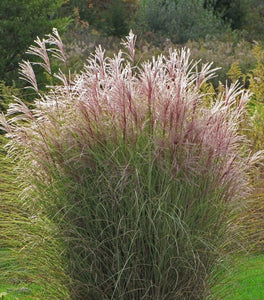
Under favorable conditions, Gracillimus Maiden Grass develops silky flower panicles that emerge in copper, reddish-purple, or pinkish tones above the foliage. The flower stems add height and introduce a soft, feathery texture that contrasts with the fine green leaves below. Flowering generally occurs during late summer or autumn, depending on the climate and length of the growing season. When the grass produces a strong floral display, the upright-to-arching plumes create a graceful effect, particularly when illuminated by low afternoon sunlight. The flowers are wind-pollinated and grown primarily for their ornamental appearance rather than to attract nectar-feeding insects.
An important characteristic of Gracillimus is that flowering can be inconsistent in cooler climates or areas with shorter growing seasons. Some plants may produce few plumes or fail to bloom before the first hard frost. This does not necessarily indicate poor plant health, since Gracillimus remains ornamental for its fine foliage even when flowers are absent. Where flowering occurs, the plumes gradually transition from copper-pink to pale silver, cream, and tan as they mature. The dried flower heads may remain visible into winter, although storms and snowfall affect their longevity. For homeowners choosing this cultivar, graceful foliage and mature structure should be the primary expectations, with late-season plumes considered an additional seasonal benefit.
Tall Arching Growth Creates Attractive Seasonal Screens and Landscape Backdrops
Gracillimus Maiden Grass develops a substantial clump that can reach approximately 5 to 7 feet tall, with flowering stems occasionally extending higher under favorable conditions. Mature plants commonly spread several feet across, making them appropriate for spacious landscape borders and large ornamental beds. Their fountain-shaped growth provides visual interest even when the plant is not blooming. When established, Gracillimus can soften a fence line, create a textured background for flowering perennials, or provide a seasonal division between outdoor garden spaces. Its fine leaves produce a lighter, more natural appearance than a solid evergreen hedge.
For group plantings, provide approximately 4 to 6 feet between plant centers when space allows for substantial mature growth. Where plants are arranged closer together for a denser visual effect, additional maintenance and competition may become considerations. The foliage can provide partial privacy during summer and fall, but Gracillimus is deciduous and should not be considered a permanent year-round screening plant. Its stems become dormant during winter and are ordinarily removed before new spring growth begins. It is also important to recognize that this cultivar can produce viable seed under some conditions, making regional invasive-plant restrictions a material consideration. Large-scale plantings should only be considered where the species is legally permitted and ecologically appropriate.
Golden Autumn Color and Tall Winter Stems Extend the Seasonal Display
As summer transitions into autumn, the green leaves of Gracillimus Maiden Grass gradually change toward yellow, golden tan, and copper-brown tones. The fine foliage maintains its graceful shape for part of the season, while mature flower plumes develop a pale silver or buff color. This creates an attractive contrast with dark evergreen shrubs and late-flowering perennials. Because the grass has a large mature form, the changing foliage becomes a noticeable feature in the landscape. The warm seasonal tones are particularly appealing when viewed against natural stone, weathered wood, or contrasting green plantings.
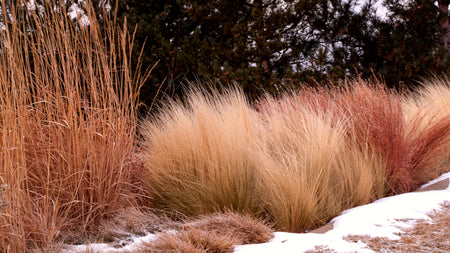
During winter, Gracillimus becomes dormant, and its foliage gradually fades to straw-colored tan and brown. The tall dry stems may remain standing for part of the colder season, creating texture and movement in otherwise quiet garden beds. Heavy snowfall, ice, and wind can flatten portions of the plant, particularly as older stems become brittle. In locations where the species is regulated, seed-bearing flower heads should be handled responsibly to avoid unintended dispersal. Dormant Miscanthus foliage is also combustible, so planting and maintenance must account for appropriate separation from buildings in fire-prone landscapes. Where cultivation is permitted, the plant's seasonal progression offers summer foliage, warm autumn color, and distinctive winter structure.
Full Sun and Appropriate Soil Conditions Support Healthy Gracillimus Growth
Gracillimus Maiden Grass performs best in full sun with average, reasonably well-drained garden soil. It tolerates several soil textures, including loam, sand, and some clay, and can adapt to moderately dry conditions once established. During the first growing season, regular watering encourages roots to develop beyond the nursery container. Mature plants generally require less supplemental irrigation, although prolonged drought can reduce foliage quality. The cultivar prefers full sun, and substantial shade may result in weaker growth, fewer flowers, and a less attractive fountain shape. Avoid planting where mature foliage will crowd walkways or restrict visibility.
Routine maintenance generally involves cutting back dormant growth in late winter or early spring, before new shoots emerge. Because Gracillimus is a warm-season grass, spring green-up may occur later than that of cool-season ornamental grasses. Fertilizer is rarely necessary in reasonably fertile soil, and excessive nitrogen can encourage overly lush, weak growth. Some Miscanthus cultivars can develop large, difficult-to-divide clumps over time, so mature size should be considered from the beginning. Regional rules may restrict acquisition, propagation, and distribution of this species. Confirm local regulatory eligibility before installing, propagating, or selling Gracillimus Maiden Grass, even when the plant is being grown in a maintained residential landscape.
Create Graceful Plant Combinations With Fine-Textured Ornamental Foliage
Gracillimus Maiden Grass can provide an attractive background for broadleaf flowering perennials, rounded shrubs, and plants with contrasting foliage texture. Its fine green leaves create visual softness around plants with larger leaves and more defined flower forms. In locations where the species is permitted, it can be combined with Coneflowers, Black-Eyed Susans, Asters, and Sedums to provide changing seasonal color. These companion plants develop visible flowers at different times, while Gracillimus contributes height and movement. The contrast between narrow grass leaves and wider perennial foliage helps create balanced compositions in larger planting beds.
For homeowners planning a similar landscape in jurisdictions that restrict Miscanthus, native ornamental grasses can provide many of the same design benefits. Northwind Switchgrass offers strong upright height, Heavy Metal Switchgrass provides metallic blue foliage, and Prairie Dropseed offers a lower, graceful fountain-shaped clump. Little Bluestem adds blue-green summer foliage and warm copper-red fall color. These alternatives have different mature sizes and growth habits, so selecting the right plant requires considering the available space, desired height, and soil conditions. Whether evaluating Gracillimus or a regionally appropriate alternative, the most successful ornamental grass plantings balance mature size, seasonal texture, maintenance, and ecological suitability.
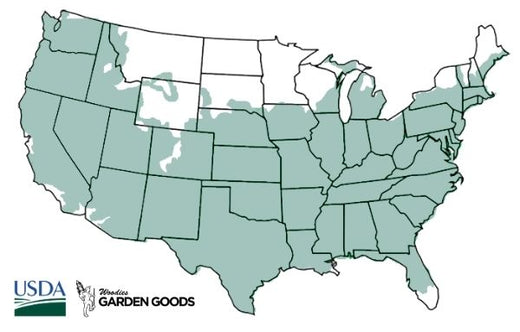
| Hardiness Zone: | 5-9 |
|---|---|
| Mature Height: | Commonly 5–7 feet, including flowering stems |
| Mature Width: | Commonly 4–6 feet; may become wider in favorable conditions |
| Sunlight: | Full sun preferred; light partial shade tolerated with weaker growth and reduced flowering possible |
| Soil | Average, reasonably well-drained clay, loam, or sandy soil; tolerates acidic to mildly alkaline conditions |
| Water Requirements: | Moderate during establishment; low to moderate after establishment; supplemental watering during extended drought |
| Bloom Time / Color: | Late summer to autumn, depending on climate; may not flower reliably in short growing seasons / Copper-pink, reddish-purple, or bronze, maturing silvery white to tan |
| Ornamental Features | Exceptionally narrow arching green leaves with white midribs, tall fountain-shaped habit, copper-pink fall flower plumes when conditions permit, golden-tan winter foliage |
| Wildlife Value | Small birds and mammals may use mature clumps for cover; mature seeds may provide food |
| Resistance | Deer, Heat, Humidity, Moderate Drought Once Established, Wind, Clay Soil, Sandy Soil, Occasional Wet Soil; not reliably salt tolerant |
| Landscape Uses | Large sunny borders, specimen plantings, seasonal screening, property-line accents, mixed perennial beds, large containers, ornamental groupings |
How to Care for Gracillimus Maiden Grass
Be sure to read our planting instructions to ensure a healthy and happy Gracillimus Maiden Grass for years to come!

How should I plant Gracillimus Maiden Grass?
Plant Gracillimus Maiden Grass in full sun, preferably receiving at least six hours of direct sunlight daily, in a location that provides room for its substantial mature height and width. The plant grows in a range of soil textures, including clay, loam, and sand, provided prolonged waterlogging does not prevent healthy root development. Its tall, arching habit makes it more appropriate for large borders than narrow walkways or small foundation beds. Before planting, remove competing weeds and loosen compacted soil where needed. Confirm that the species is permitted in the intended planting location, since Chinese Silvergrass is prohibited or regulated in certain jurisdictions. Dig a hole approximately twice as wide as the root ball and no deeper than its height. Carefully remove the plant from its nursery container and loosen any tightly circling roots. Position the crown level with the surrounding soil and backfill using the original soil. Water thoroughly after planting and apply a modest mulch layer without burying the crown. For large ornamental groupings, allow approximately 4–6 feet between plants, adjusting for their eventual spread. In regions where the species is regulated, do not establish new plantings or move plant material without confirming legal eligibility. Spring planting is generally useful because it allows this warm-season grass to develop roots before winter.

How often should I water Gracillimus Maiden Grass after planting?
During the first growing season, Gracillimus Maiden Grass requires consistent watering while its roots become established. Water thoroughly immediately after planting and continue checking soil moisture regularly. As a general starting point, approximately 1 inch of water weekly, including rainfall, may be appropriate in many garden soils, but the amount should be adjusted for rainfall, temperature, drainage, and plant size. Sandy soils tend to dry more quickly, while clay soils retain moisture longer. Apply water deeply enough to encourage roots to extend into the surrounding soil. Avoid repeated shallow irrigation or maintaining continuously saturated conditions around the crown. Once established, Gracillimus develops moderate drought tolerance and generally requires less irrigation. During prolonged hot, dry weather, supplemental watering can help prevent premature browning and maintain the attractive arching foliage. Excessive irrigation may encourage unnecessary lush growth, particularly in fertile soils. A light layer of organic mulch can help moderate soil temperatures and reduce moisture loss. Although mature plants tolerate occasional wet conditions, persistent waterlogging is undesirable. Healthy root establishment and appropriate moisture management support the full ornamental effect of this tall grass.

When should I fertilize Gracillimus Maiden Grass?
Gracillimus Maiden Grass usually needs little supplemental fertilizer when planted in ordinary fertile soil. If a soil test identifies a nutrient deficiency, apply an appropriate balanced, slow-release fertilizer in spring as active growth resumes, following the manufacturer's instructions. The grass naturally grows vigorously under favorable conditions, so heavy feeding is rarely necessary. Adding large quantities of compost or high-nitrogen fertilizer to already fertile soil can create excessive foliage growth without providing a meaningful ornamental benefit. Avoid overfertilization because rapid, soft growth may cause the tall stems to lean or flop, particularly in locations with insufficient sunlight. Fertilizer also cannot correct problems caused by overly wet soil, heavy shade, or inadequate space. If the plant develops weak stems or reduced flowering, evaluate growing conditions before applying nutrients. Established specimens generally perform best with full sun, appropriate moisture, and moderate soil fertility. In regulated locations, fertilizer should not be used to encourage the expansion or propagation of prohibited plant material.

When and how should I prune Gracillimus Maiden Grass?
Gracillimus Maiden Grass is a deciduous warm-season ornamental grass that becomes dormant during winter. The usual time for annual pruning is late winter or early spring before new growth appears. Its leaves and flower plumes may remain standing after frost, providing seasonal texture. However, in regions where the species is invasive or regulated, mature flower heads should be managed to prevent seed dispersal. Do not assume that leaving all seed-bearing stems standing through winter is appropriate in every location. Before spring green-up, gather the old foliage and cut it back to approximately 6–8 inches above the ground, taking care not to injure the crown. The leaves can have sharp edges, so wear gloves and protective clothing. Mature clumps can become dense and difficult to divide. In jurisdictions that regulate Chinese Silvergrass, do not divide, propagate, transport, or distribute plant material unless the activity is expressly permitted. Remove seed-bearing material and other plant debris in accordance with local disposal recommendations rather than allowing seeds to escape into natural areas.